
Author: Rach
Photos: Rach, with a few exceptions (specified)
Before we begin a little warning: Photo overload coming right at you!
I can hardly think where to begin as I write this post on our departure day following our 4 days in the Peruvian Amazon Jungle. I’m itching like crazy from my collection of mosquito bites (despite the 100+ deet rating on my insect repellant – what can I say, they love me!) and we both STINK to high heaven, but man has it been worth it.
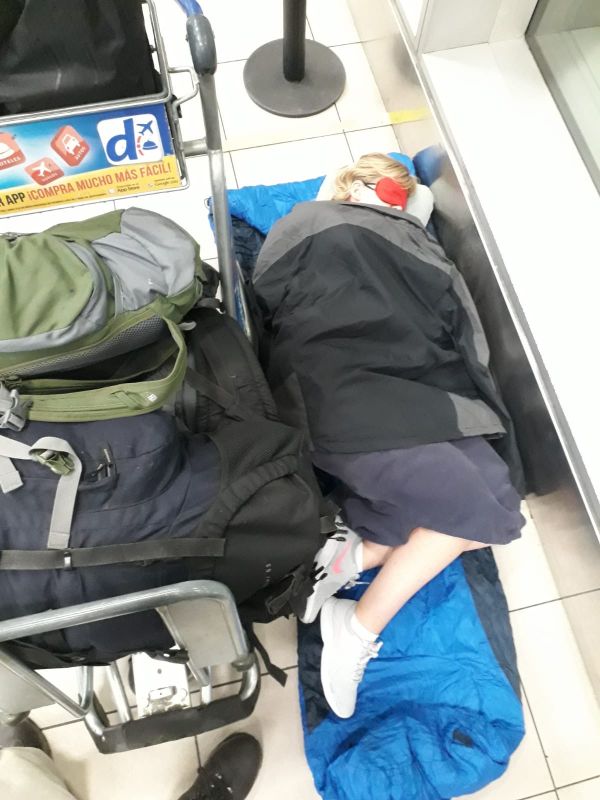
First a few of the logistics. We decided to explore the Peruvian Amazon, by flying from Lima into Puerto Maldonado via Cusco (was an easier and more cost effective way in than trying to do it from Brazil because of flights. The other option we considered was going from Iquitos if you’re considering visiting.) It did mean a total of around 22hrs in transit because of airport schedules (here I am sleeping on the floor of Lima airport), but I think it’s been the best way for us on a budget.
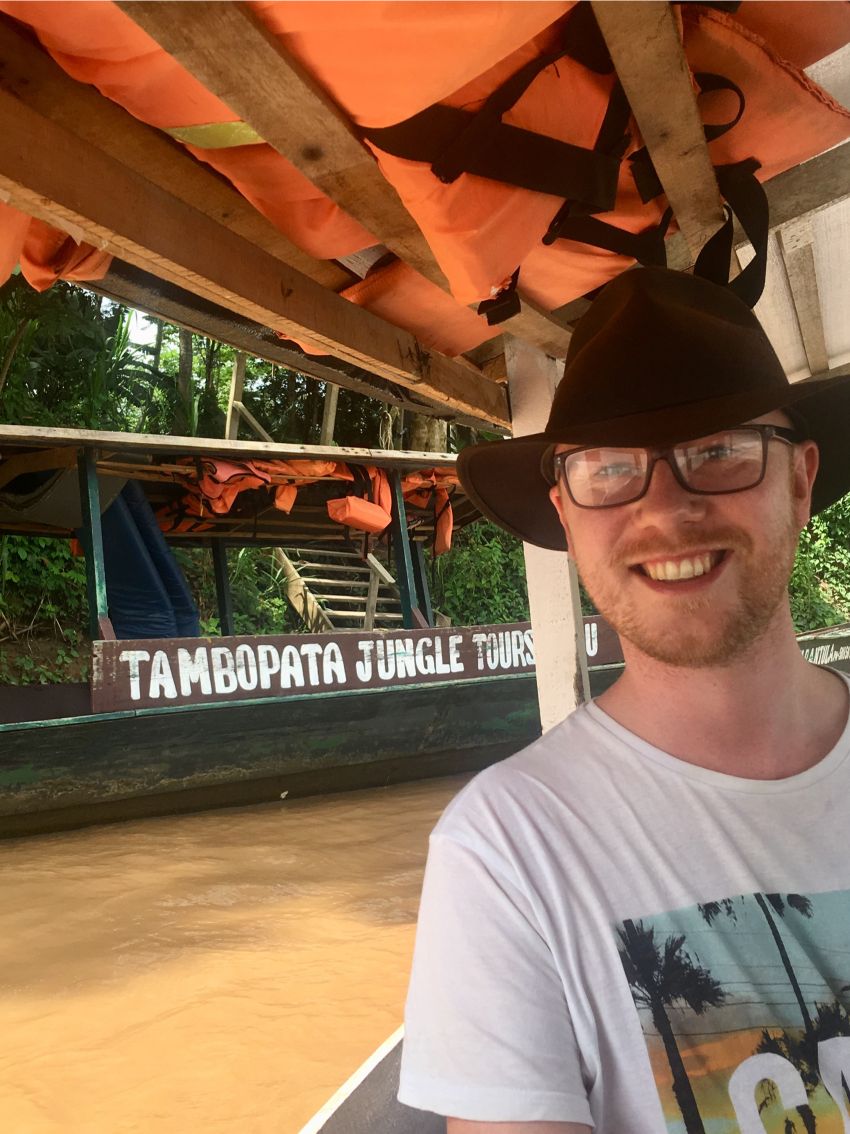
We pre-booked a 4 night trip with Tambopata Jungle Tours starting on the 12th Jan, with a rest day on arrival into Puerto Maldonado on the 11th. We booked direct with Tambopata on their website and got an amazing deal at £170 each including entrance fees to the reserve and animal shelter, which included transfers, 4 nights accommodation, 3 square meals a day and all the activities with a guide. Their small but beautiful lodge is 15 mins upriver by motorised canoe.
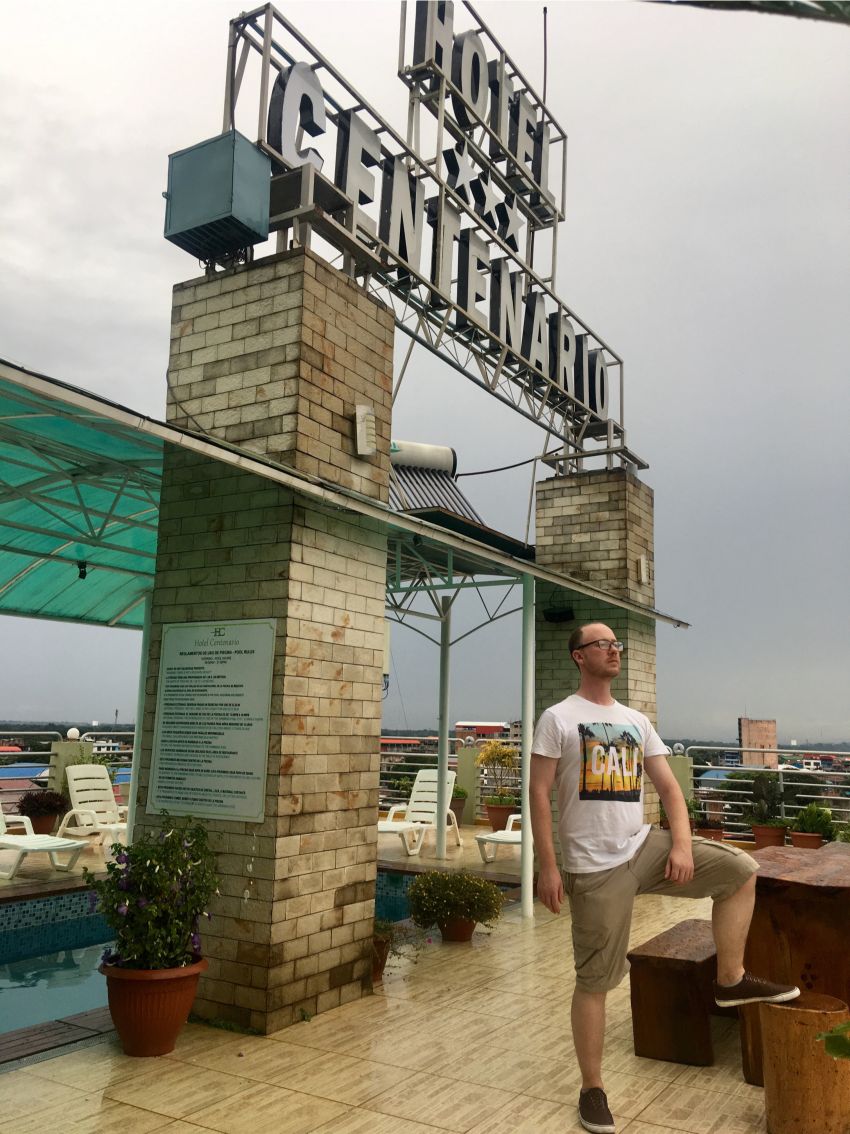
Briefly a bit on Puerto Maldonado: there’s not a lot there! It has grown considerably (now 100,000 people or so live there, though you wouldn’t know it), since the introduction of a river bridge. People now pass through here on the way to Brazil which has brought in more business and more education, but also more crime sadly. Many people I think go straight from the plane to their tour but we wanted to rest up having not had any sleep, which was a good idea in the end, and so mainly spent the day in the hotel writing up the Rio blog and reading (and Ged taking a few daft pics like this)
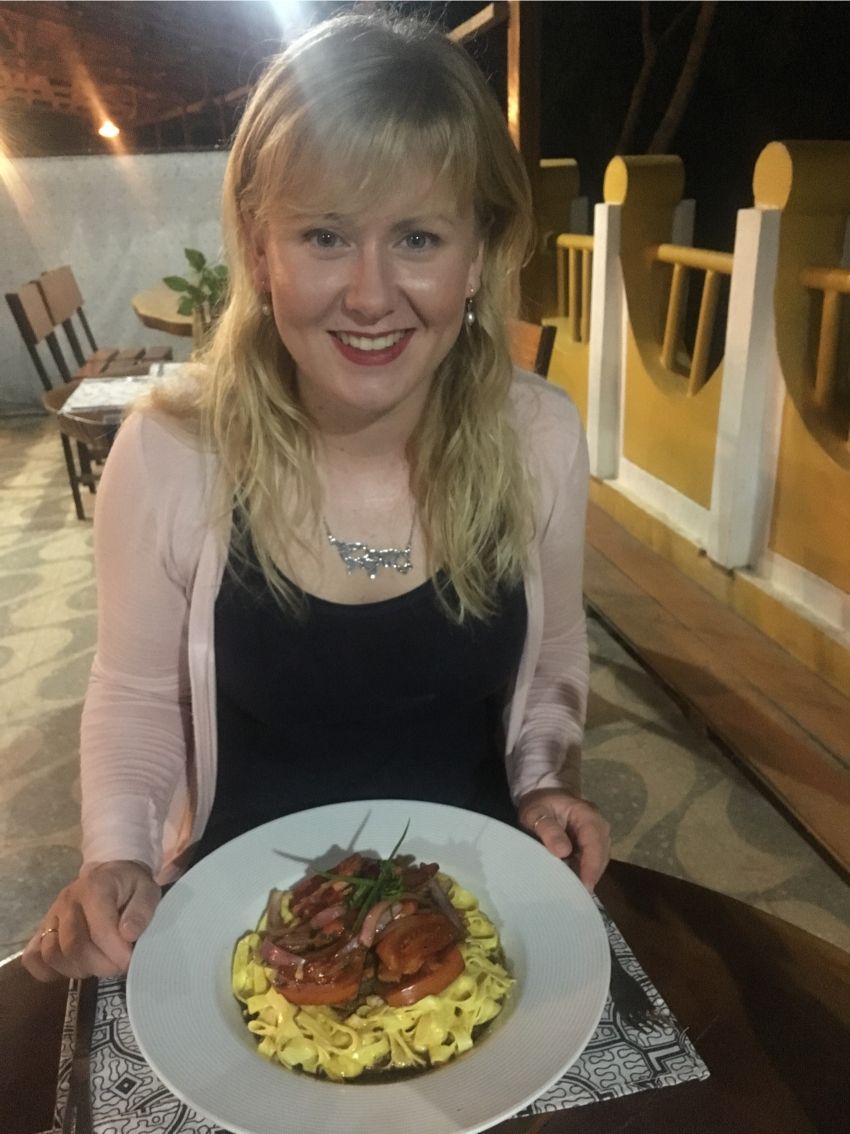
We did venture out for food in the evening to a little restaurant called Sahoda on the river, the Madre de Dios. Here we got our first taste of Peruvian cuisine – Ged had a traditional dish of fettuccini with tomato, onion, coriander and salted pork, and Rach had a chicken rice dish (well in the end, it was the other way around to start!) And while we waited we nibbled on an Açai spicy dip with fried banana chips – nice!
So, to it. Day 1 of 4 in the Amazon: At 8.30am on the 12th we were in the van on the way to the boat. January is rainy season here (around 28 degrees but wet and humid – the most terrifying thunderstorms roll in at night dumping endless sheets of water down), which means it’s low on tourists. We when got to the lodge we were almost the only people there – day one we were a group of 4, the middle two days we were on our own and the last day we had 1 other guy with us, so we got our guide all to ourselves pretty much! If you come at this time of the year though you do need to prepare to get wet and then struggle to get dry – it is SO humid that everything feels wet all of the time.
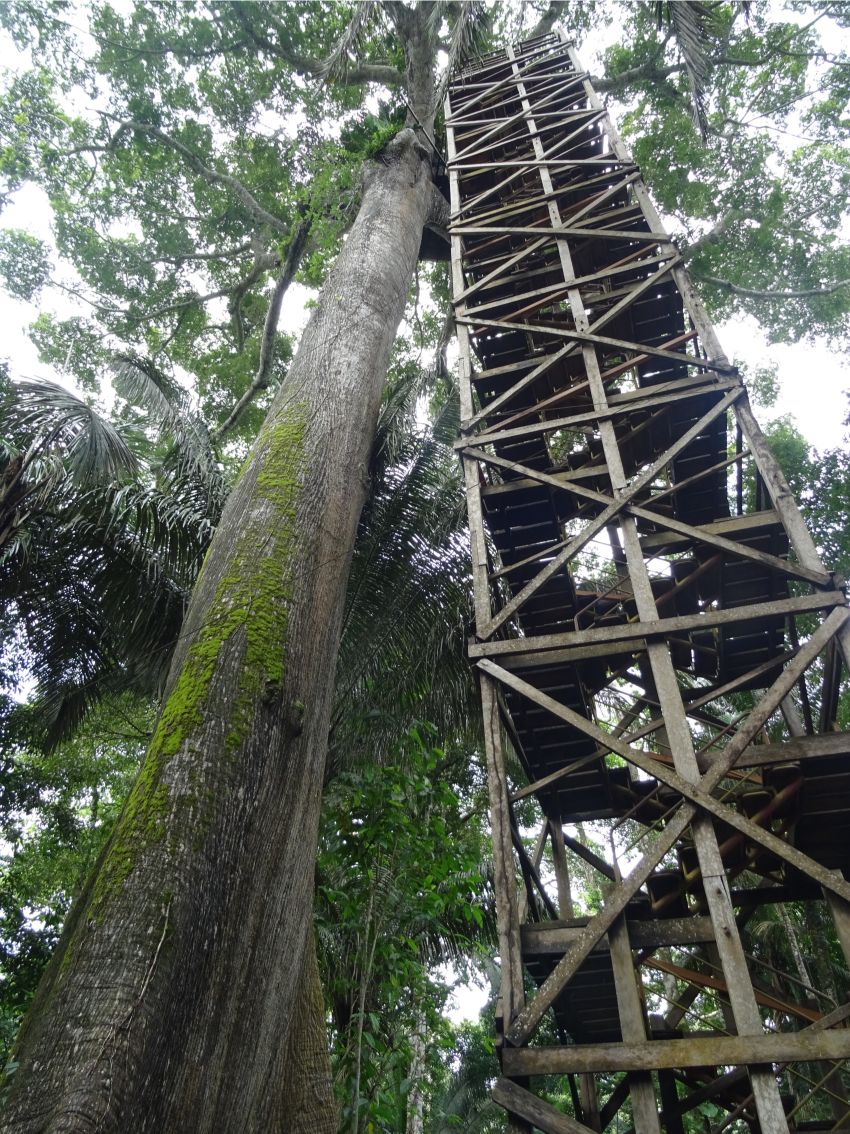
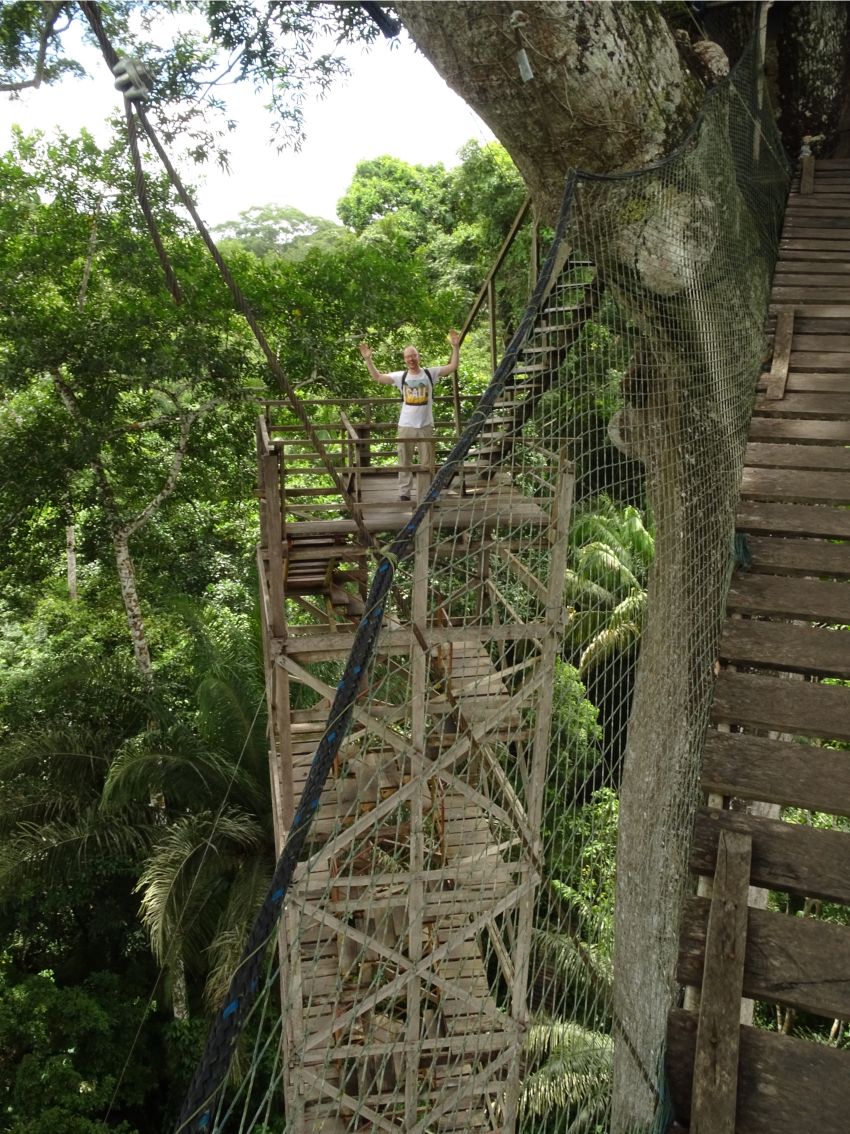
An hour or so later we got straight into the jungle and up into the canopy via a 30 metre climb up a tree tower (gulp).
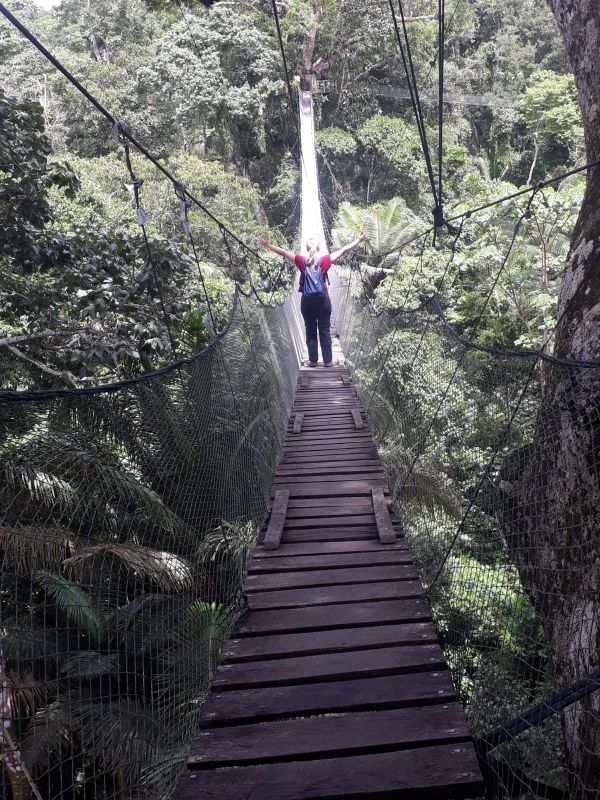
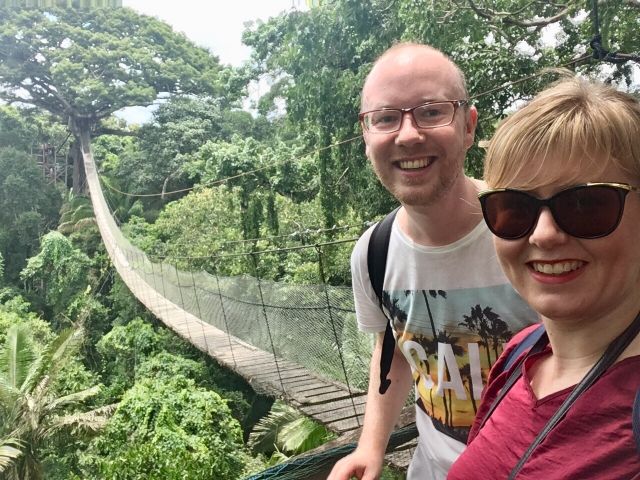
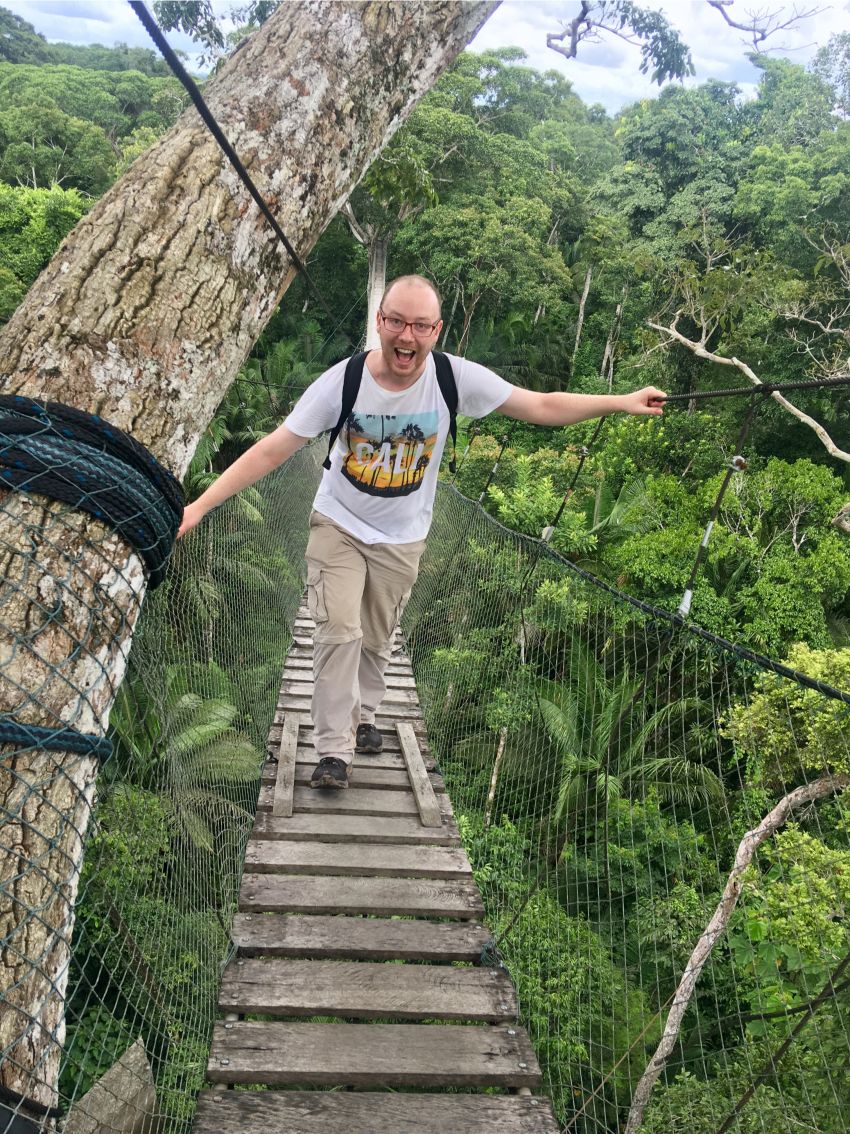
Then across several canopy walkways (trying to keep steady and not touch all the ants scurrying along the handrail!) giving us a literal birds-eye view of the jungle.
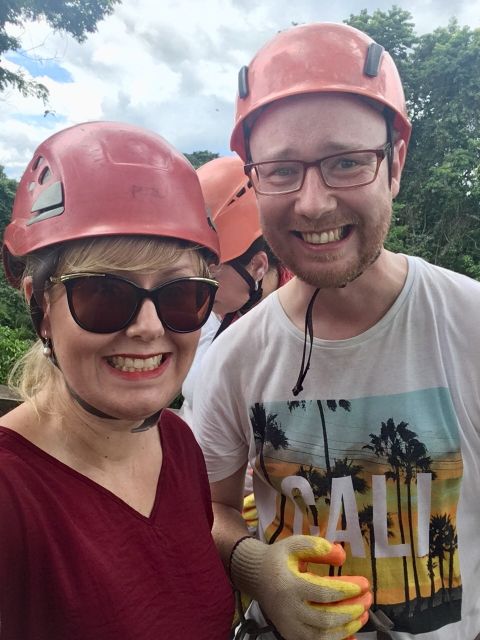
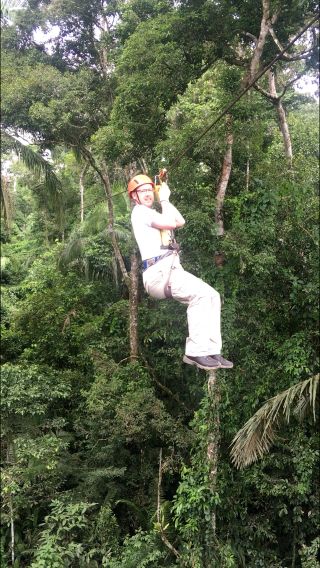
We picked Tambopata especially for this as they had access to the only zip wire there, although Ged wasn’t too chuffed about doing this part of our jungle experience! With a deep breath we moved off the wooden block and flew down at goodness knows what speed, and then both braked too soon before the platform meaning we needed to drag ourselves to the end!
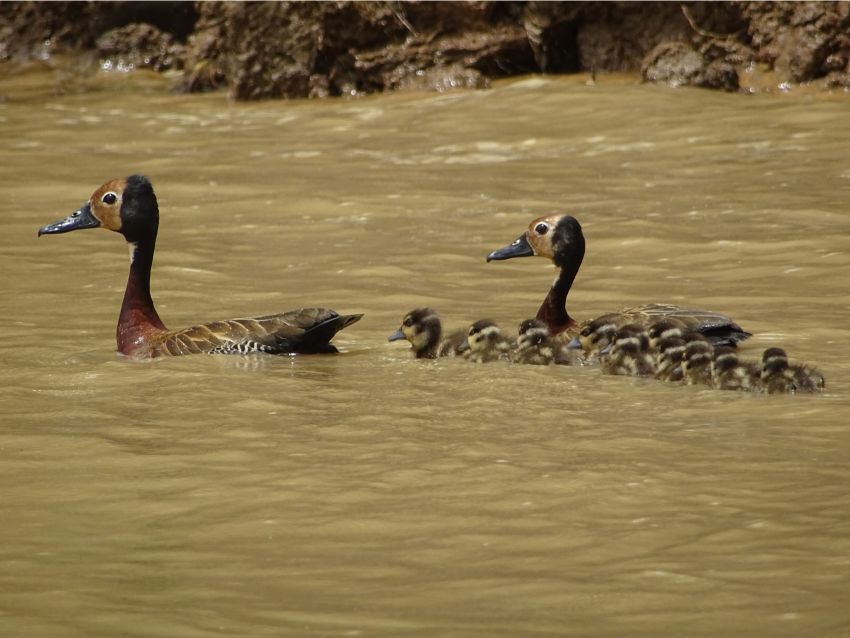
We then walked back to the boat to try to find a spot to fish for piranhas. Our guide Jonas was picking out wildlife for us in the flora along the river when we spotted a small boat with a man peering over the side. Out from behind the boat came a family of ducks, and Jonas became very excited when he identified them as white faced whistling ducks – very rare and difficult to see, as they don’t hang out in any specific area. There are 1800 species of birds in Peru and Jonas has seen 1025 of them in the wild – this made 1026. And so Jonas and Ged became very high pitched and I snapped away to get a great shot.
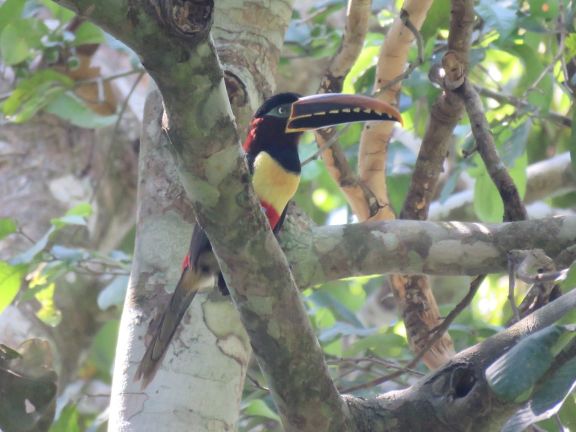
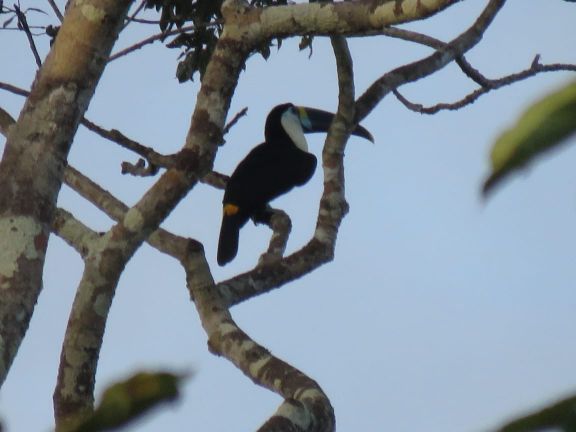
We continued our luck for a while, as we managed also to see a chestnut-eared Aracari in the trees and also a Toucan, high up in the tree canopy (both photos by Jonas)
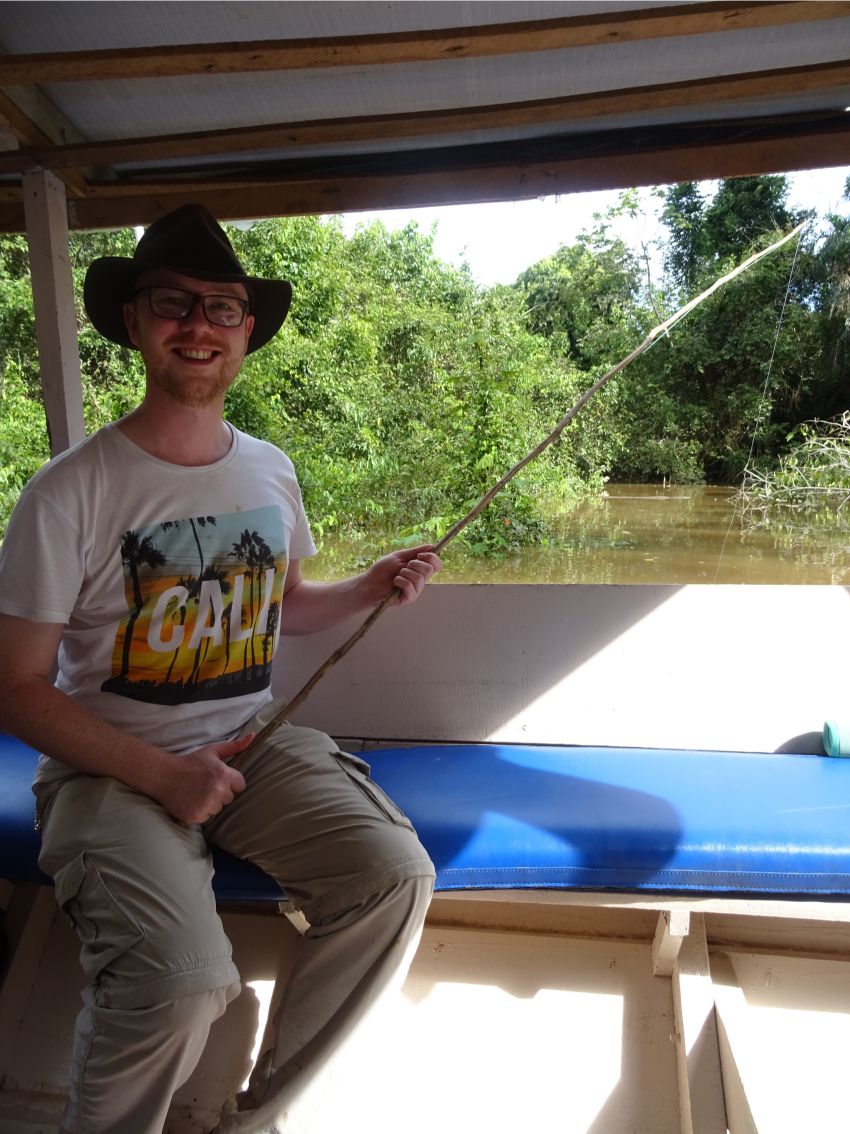
However it’s fair to say it ran out by the time it came to piranha fishing. We had them nibbling away at the raw meat but these ‘intelligent fish’ wouldn’t hook on! A few times though we definitely had one of the end of the line and pulled up hard. In our desperation towards the end of the hour (we were told these were meant to be tonight’s tea, and Ged didn’t want to go hungry) he hurled the taut stick up out of the water with a fish on the end, only to whack himself right in the nuts with it! The piranha chastisingly swam away…Dinner was not lost though, some nice beef with rice was provided. In fact we had 3 courses! Soup, our main course and a jelly for desert.
We have only 3 hrs of electricity here each day from 6-9pm, so as to not disturb the animals too much, so after dinner we got an early night. We were to be up at 4am the next morning for one of the main events – the macaw clay lick – about 1hr up river.
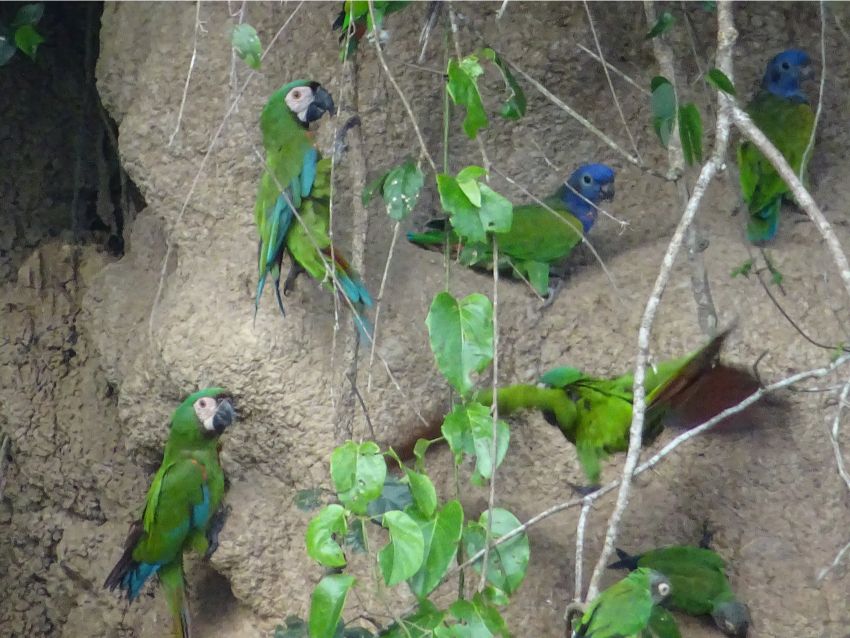
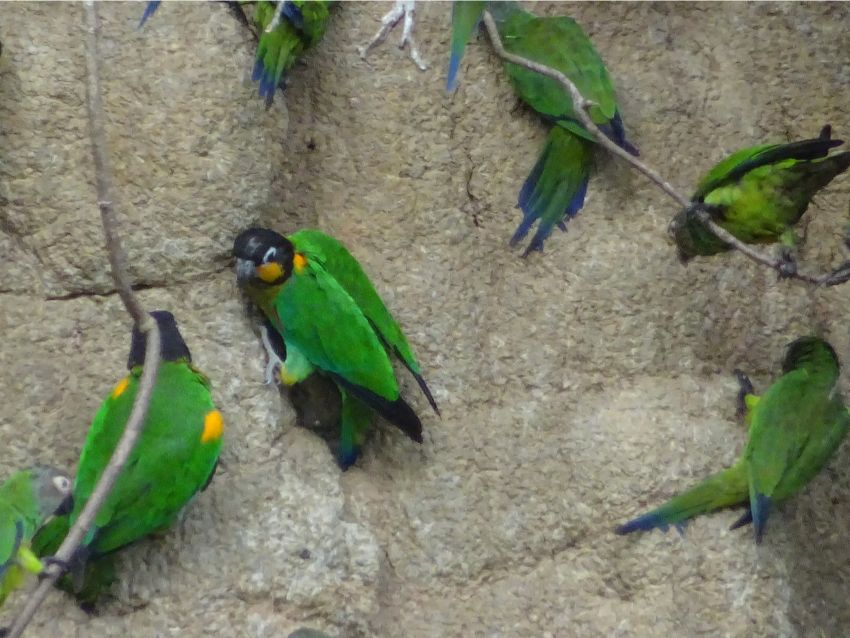
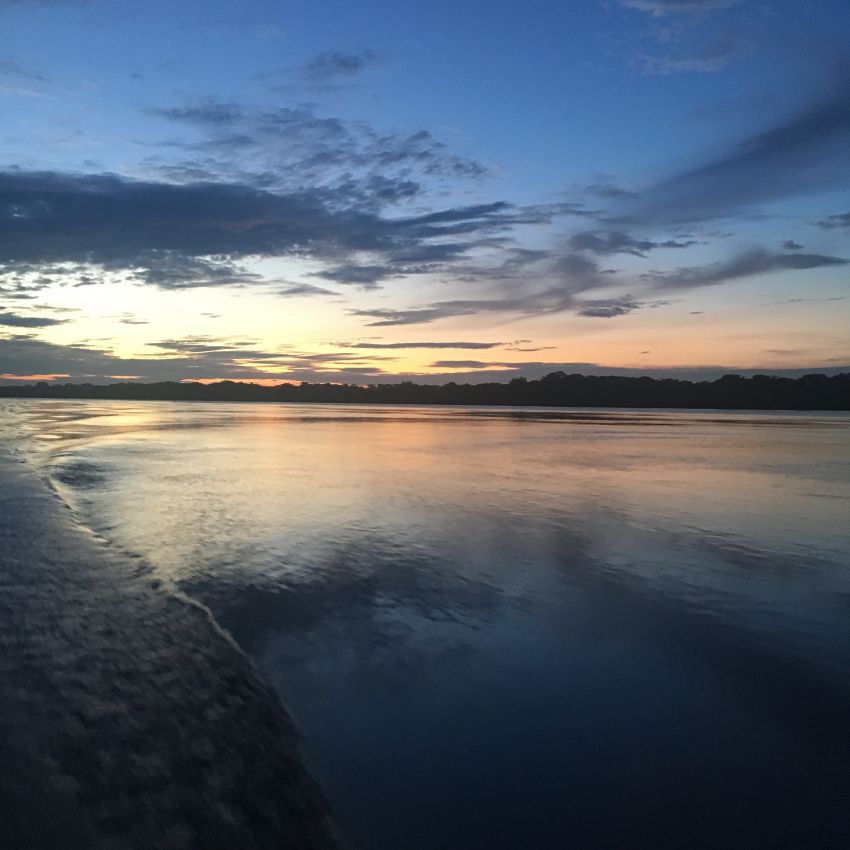
Day 2 of 4: We saw a beautiful sunrise as we pushed through the water at 4.30am to see them feeding on the clay, which contains salts and minerals to counteract toxins in the fruit they eat. It was an amazing spectacle, a rabble of blue-headed parrots, mealy parrots, orange-cheeked parrots, dusky-headed parakeets and blue-headed macaws.
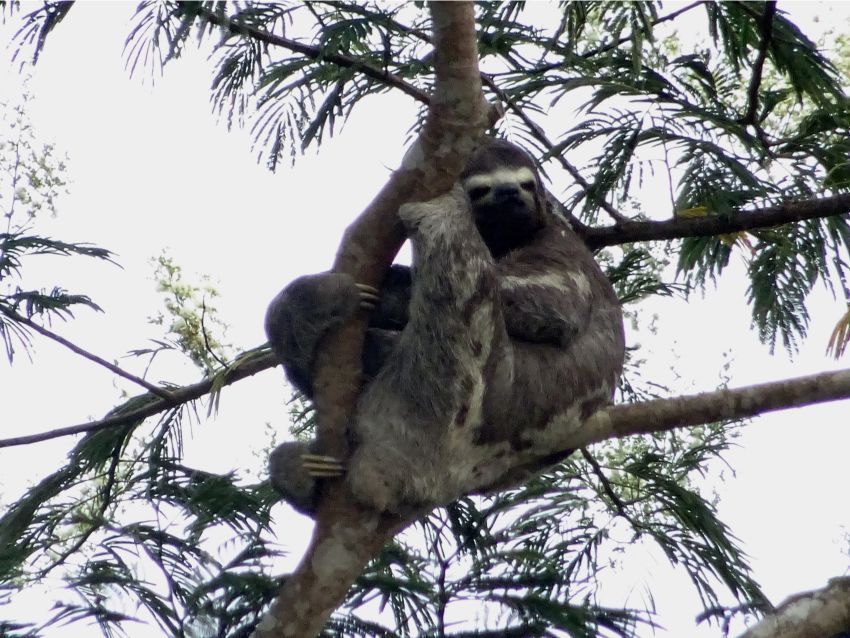
And if that wasn’t enough eagle-eyed Jonas clocked a sleepy sloth on the canoe-ride back!
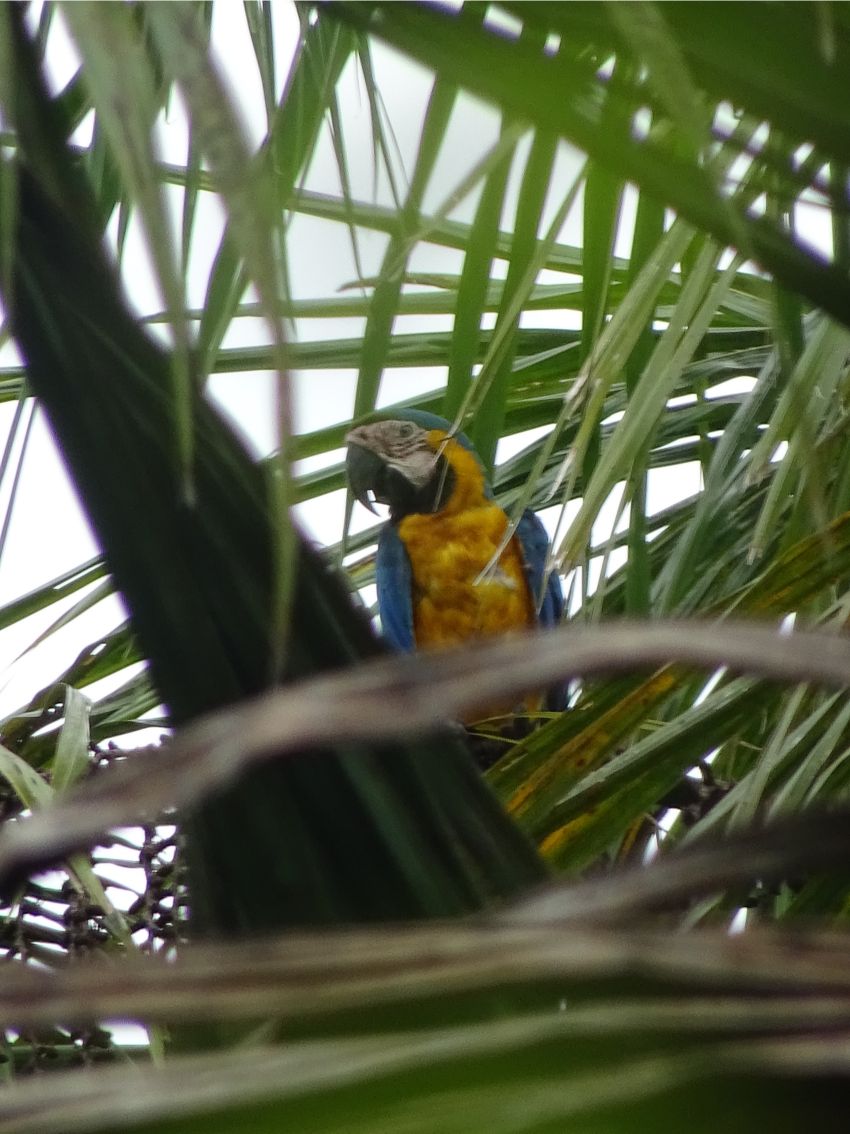
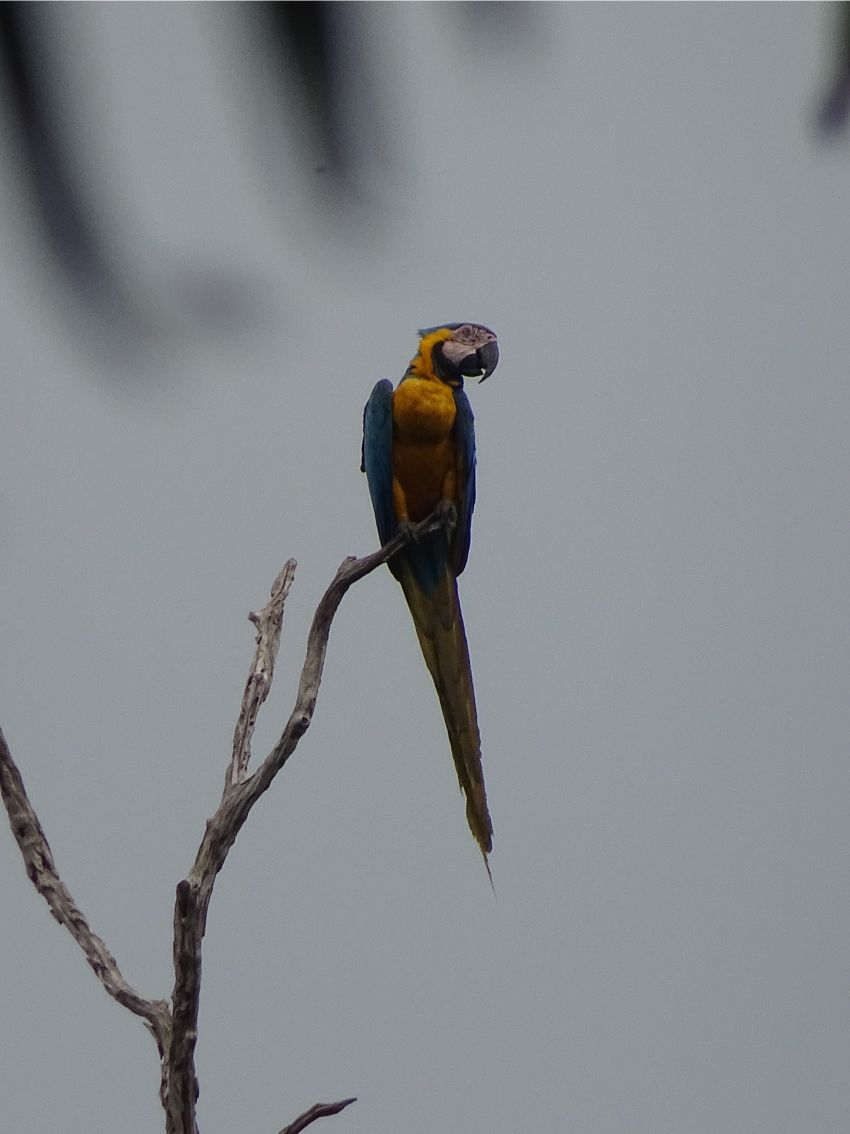
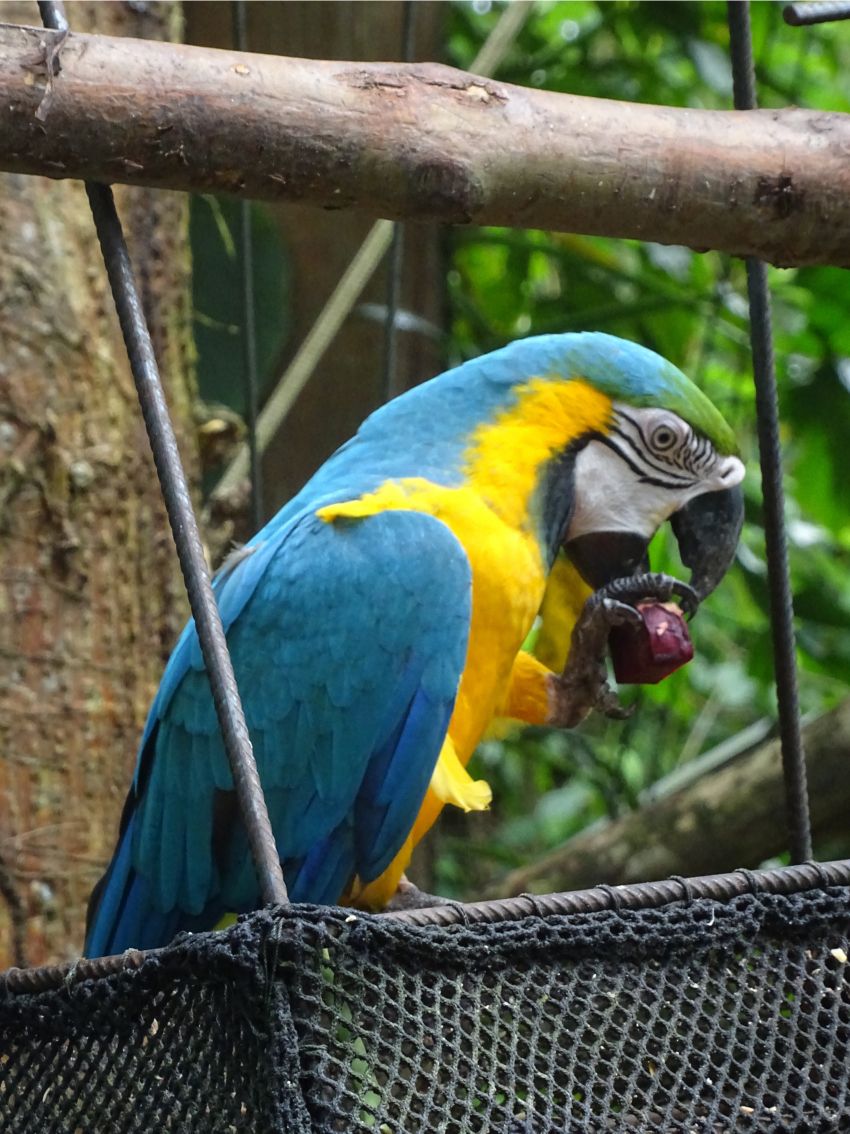
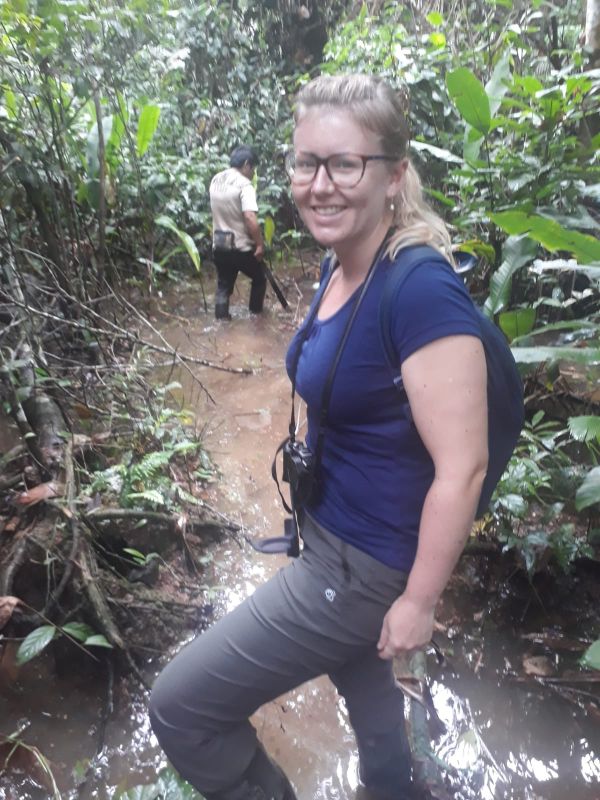
We were back by 7.30am for a breakfast of fruit, pancakes and scrambled eggs then left at 9.30 ish for the Tambopata reserve. As we waded through deep mud from last night’s rain our luck returned and Jonas got high pitched again as we spotted a blue and yellow macaw high in the trees eating nuts – you normally only see these birds in flights and Jonas has never got a good photo of one in all his years of guiding! Once again I could have kissed the 30x optical zoom on my camera as I managed to focus right in close to catch sight of this beautiful bird in its natural habit.
It was on this second day that we started to learn more about this precious and fascinating eco-system. We’ve seen all types of imposing and grand trees, including this typical Amazonian Ficus insipida tree which is 400-500 years old, perfectly hiding a camouflaged lizard on its bark.
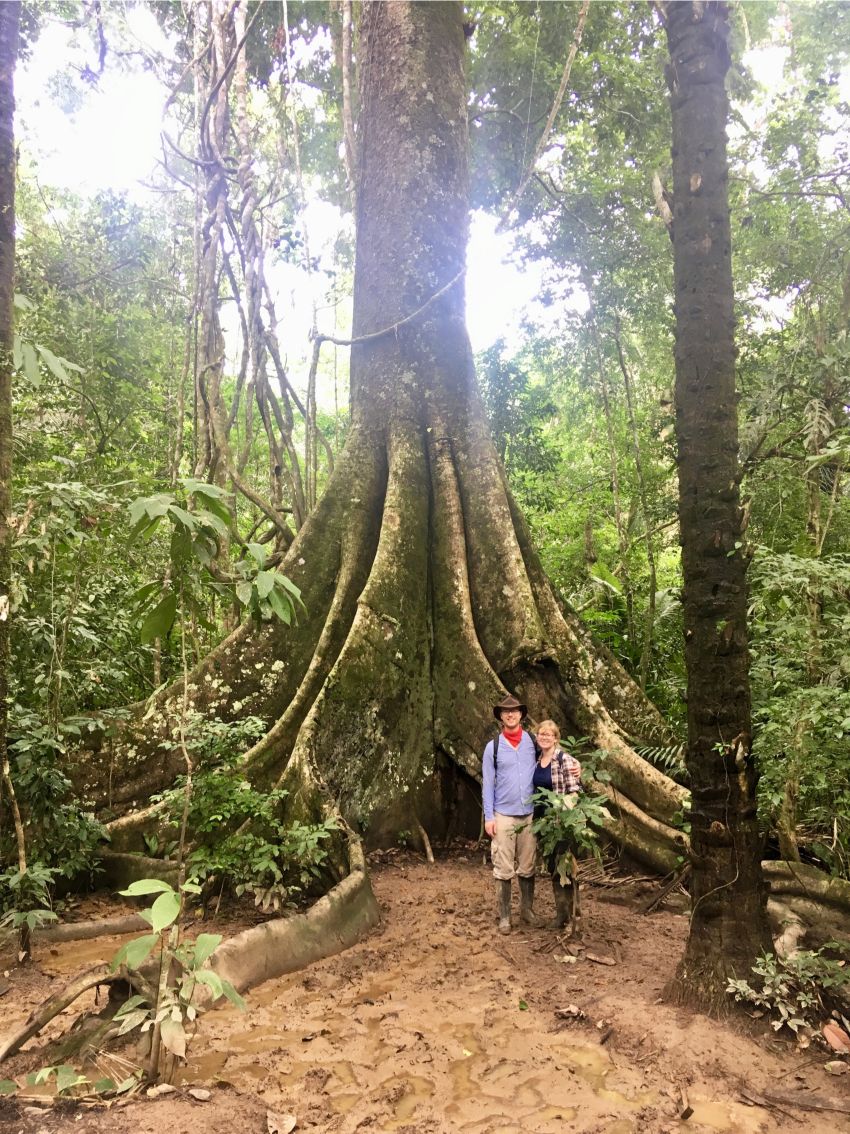
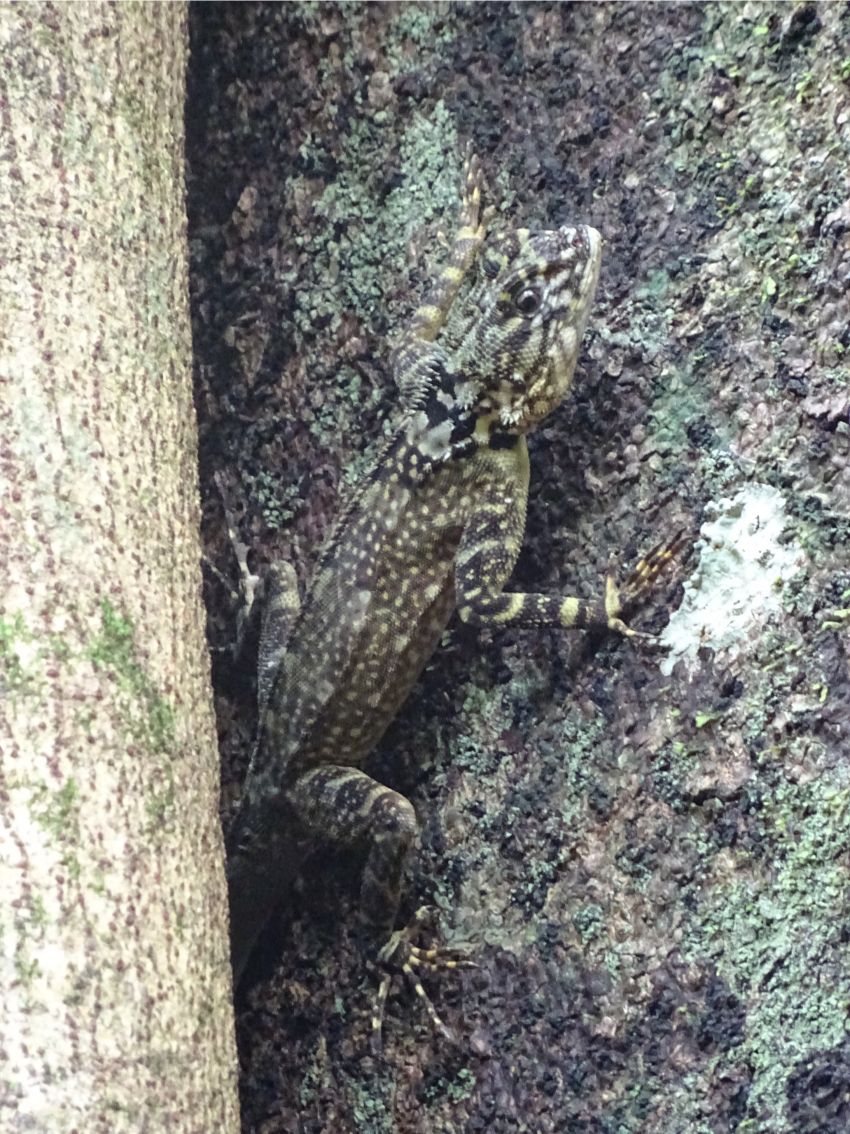
The most important tree to those seeking to profit from the rainforest is the Cedar tree, which yields really strong wood for building boats, houses and furniture, and which is often illegally cut by woodcutters. Farmers also cut trees to make space for growing banana plants etc. The ecosystem is also badly affected by two other activities – poaching (the guy in the boat we saw by the whistling ducks stole one of the ducklings as we approached) and mining – mercury is used in this process, which then pollutes rivers and habitats. Tambopata, where we have chosen to stay, is a reserve but the banks on the other side of the river sadly see these activities happening on a regular basis.
After the spotting of the blue and yellow macaw during our hike towards Lake Sandoval in the reserve – approximately 3km of tramping through mud and across rickety walkways – we also caught sight of some red howler monkeys in the trees, and then upon reaching the canoe we were able to spot a couple of quick moving white caiman and black caiman in the river channel leading to the lake, and some slower moving turtles!
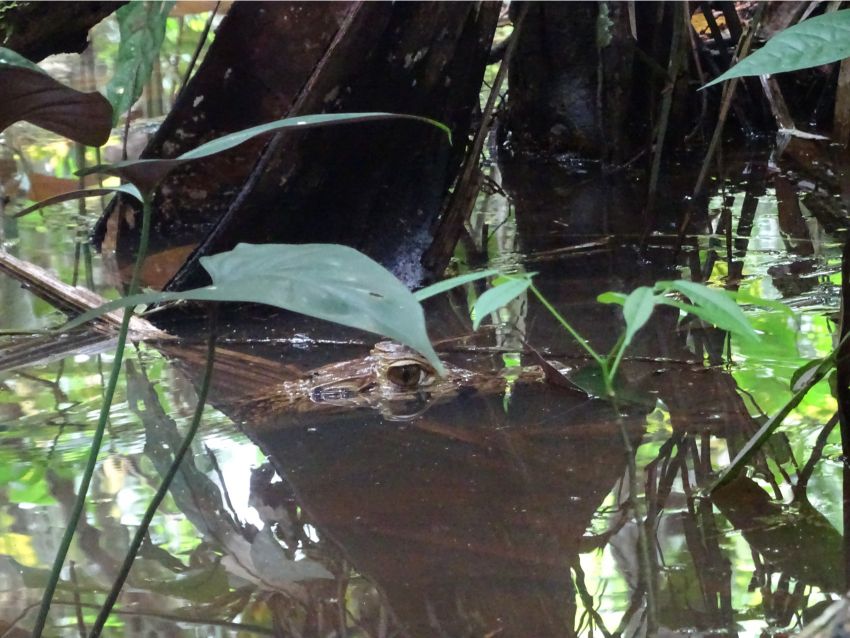
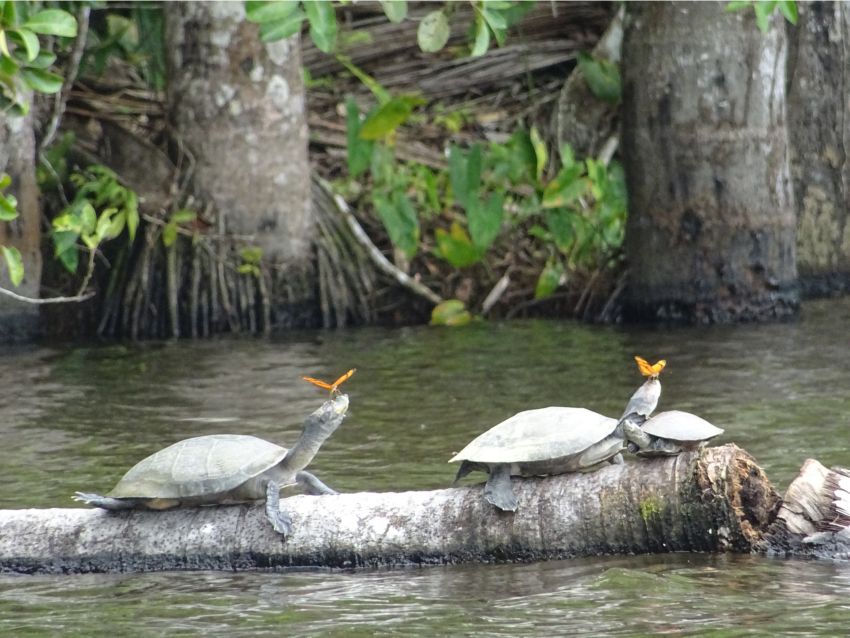
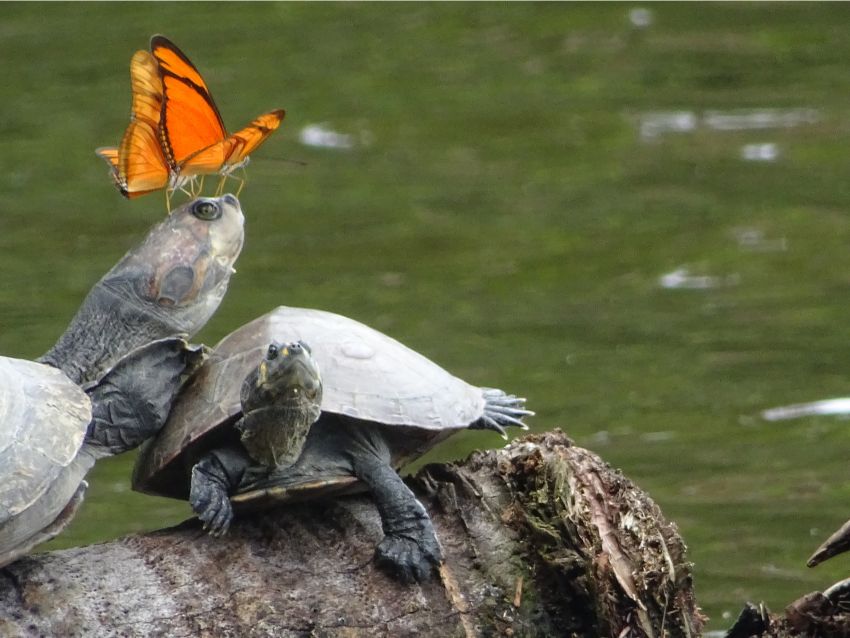
Then we were (or rather Ged was) paddling round the lake spotting other birds – the snake bird, neotropic cormorant and a Cocoi heron. We even saw some insectivorous bats in the daylight lined up on a tree trunk!
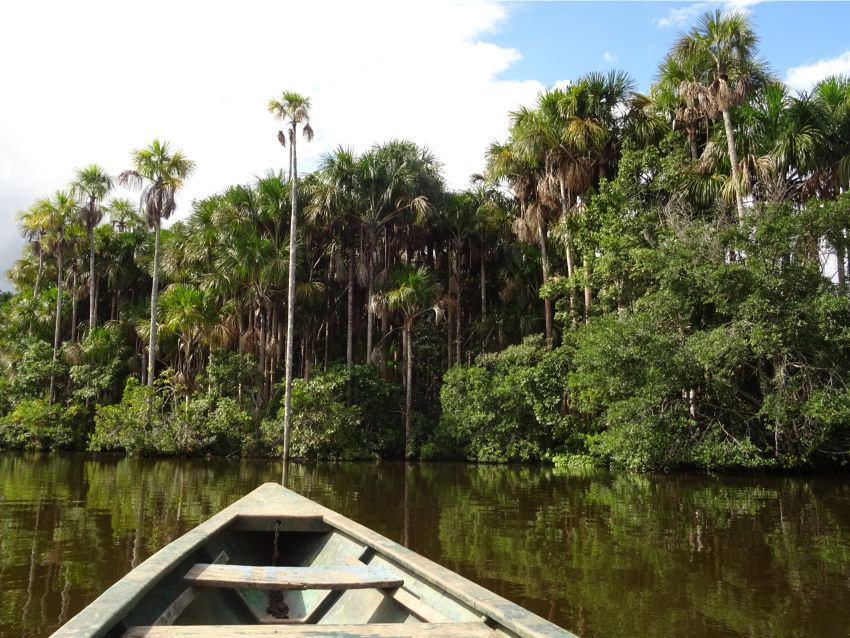
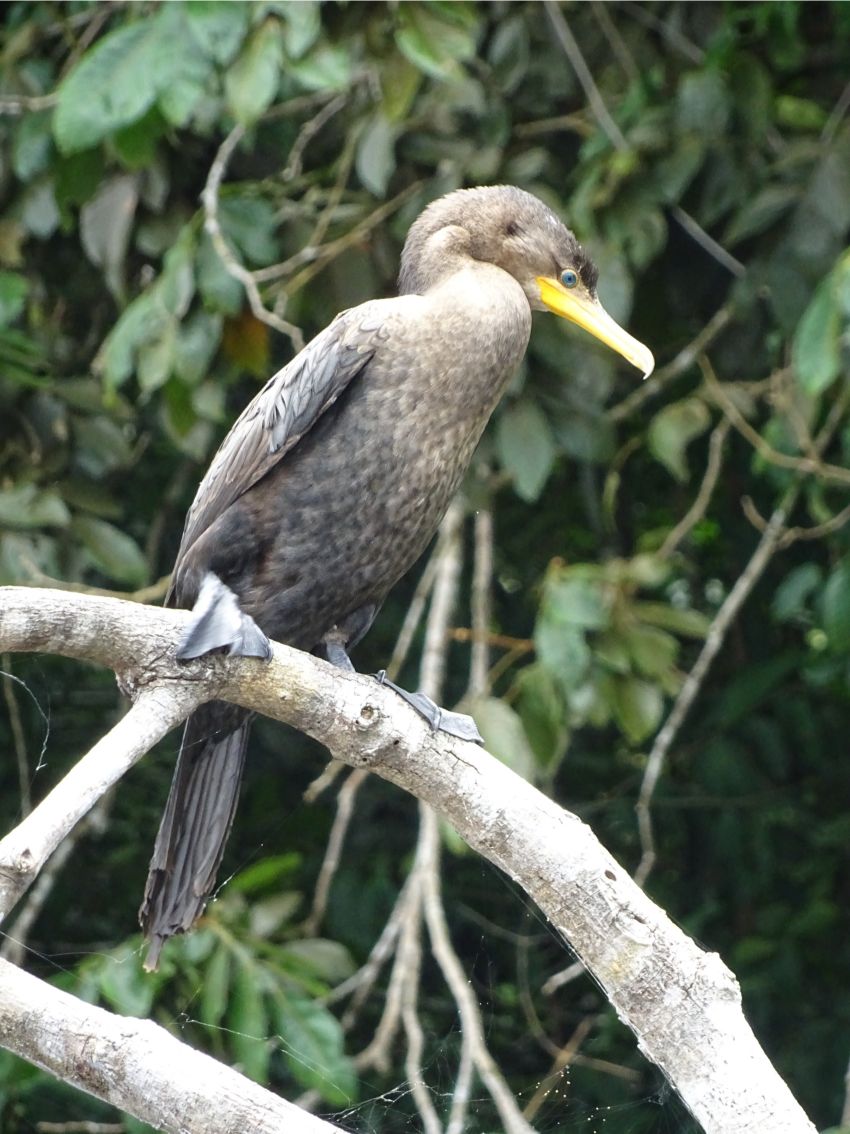
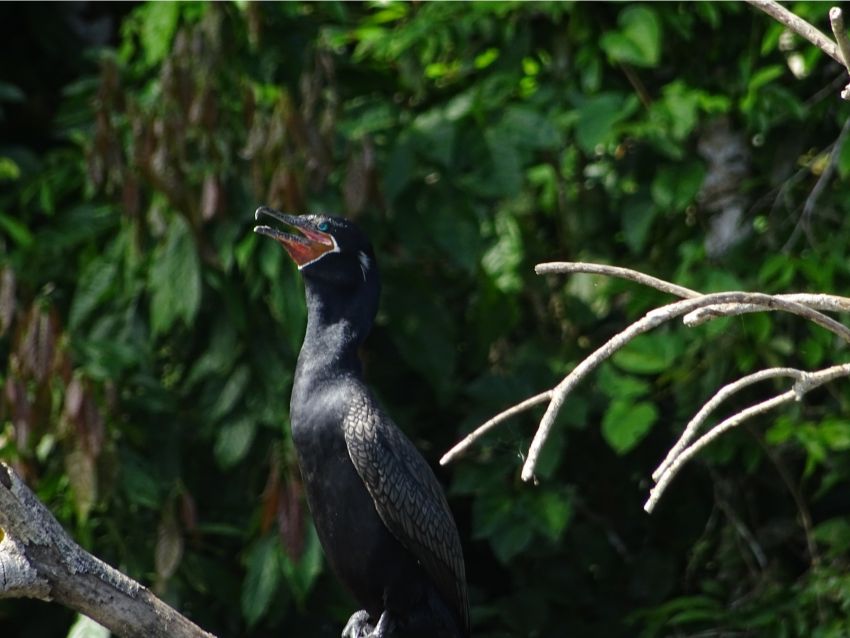
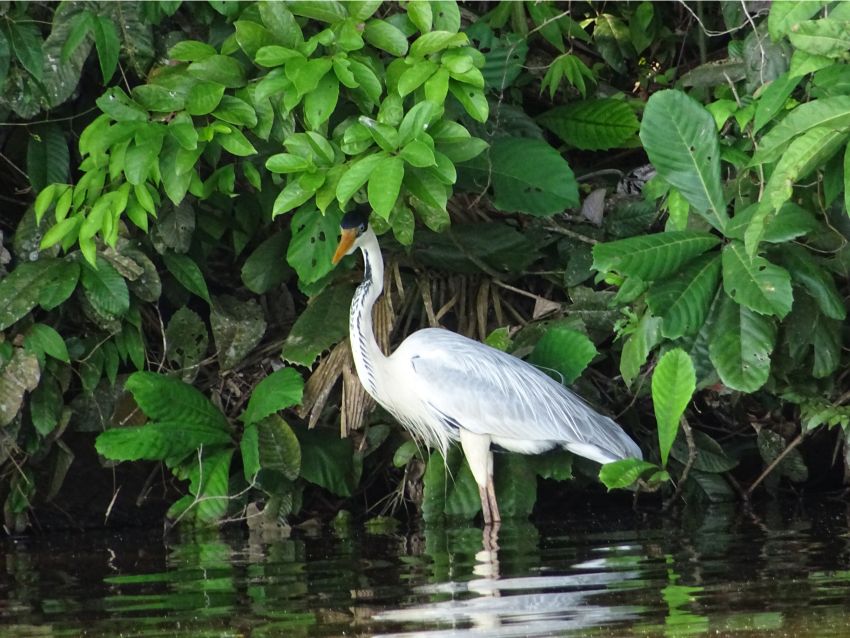
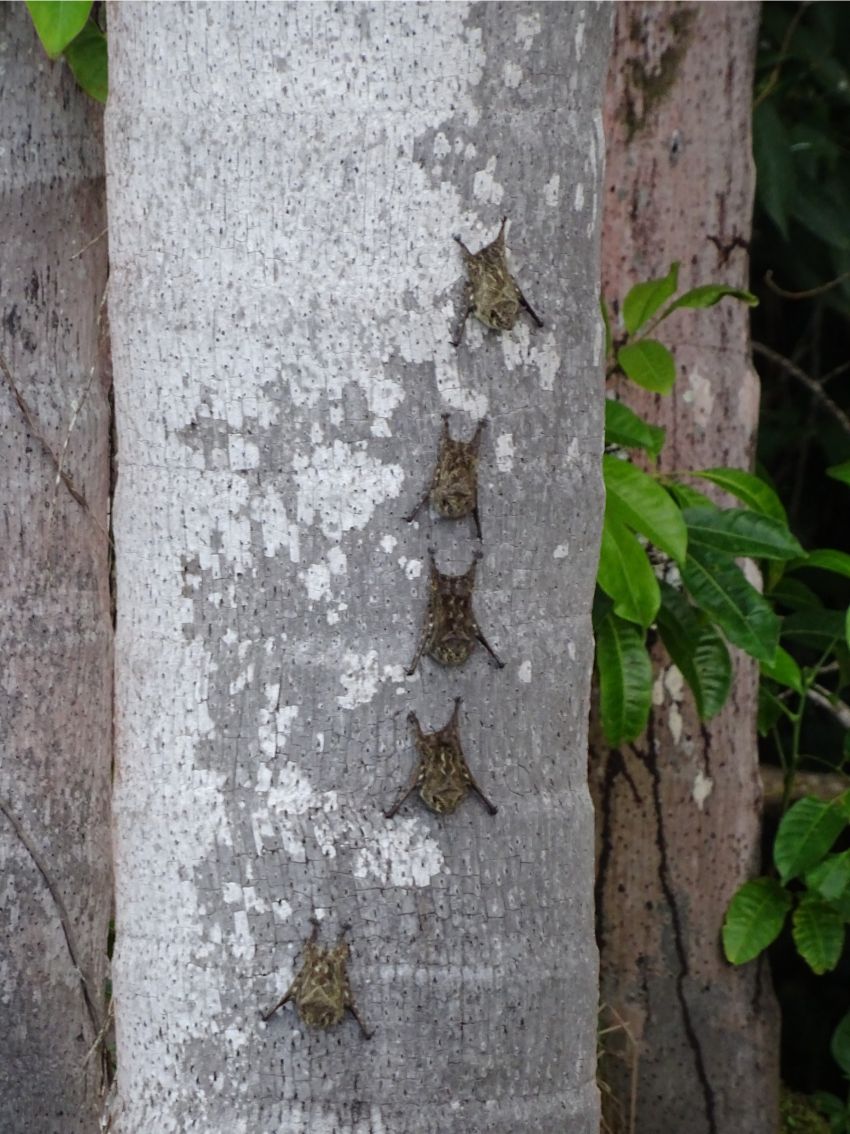
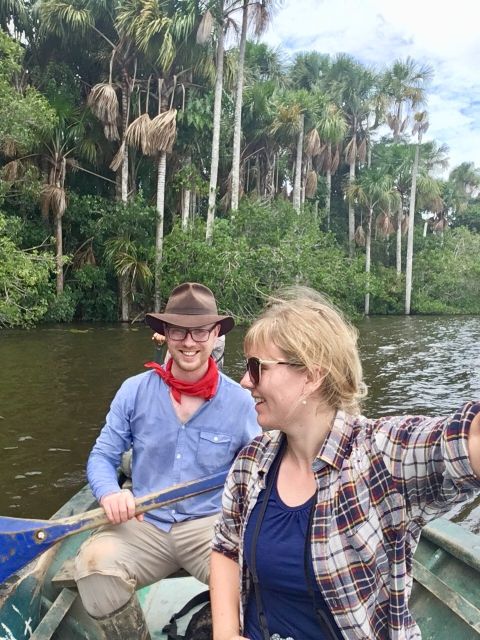
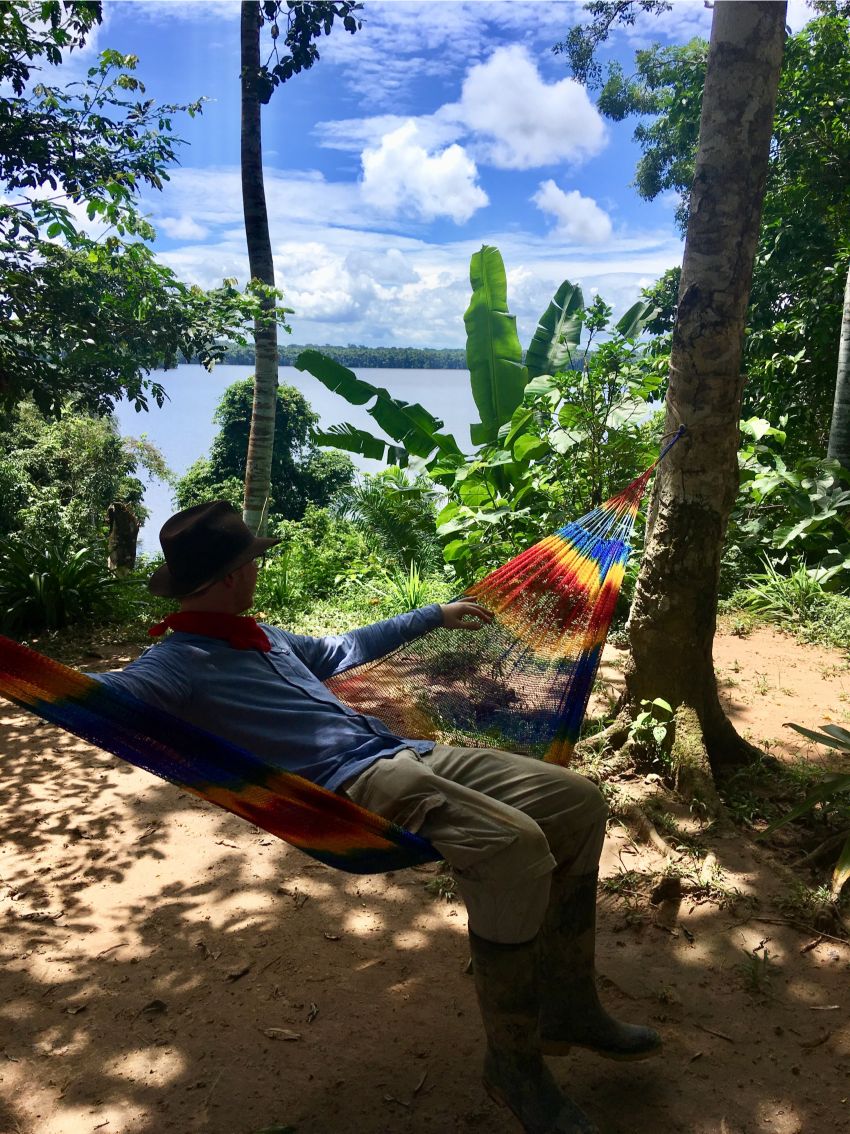
The heat was intense and half way around we moored up and had lunch in the little lodge (something resembling egg fried rice wrapped in a leaf – yummy!) and then hung out in a hammock for a while.
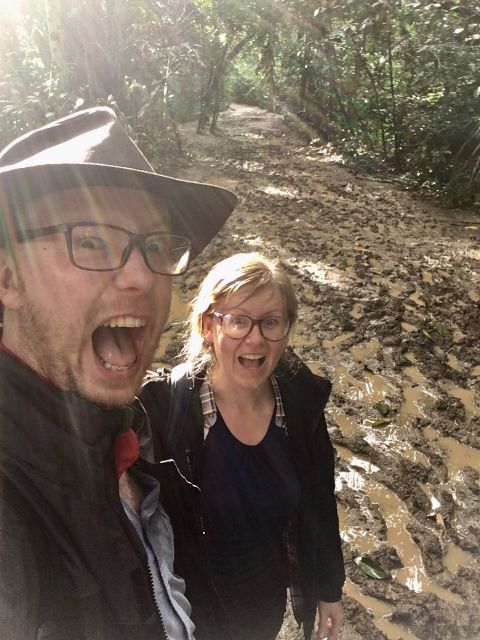
During our second leg around the rest of the lake the sky turned ominous very quickly. Jonas pointed up and like a sixth sense knew we had about 10 mins before ‘the rain the rain’ was coming. As soon as we got off the canoe the sky pelted down rain and we frog marched, rain jackets on, the 3km back to the reserve entrance. We hadn’t been walking more than 5 mins before we convincingly passed as having fallen into Sandoval lake itself – wellies full of water and hair akimbo, we finally made it back to the lodge to try and dry out.
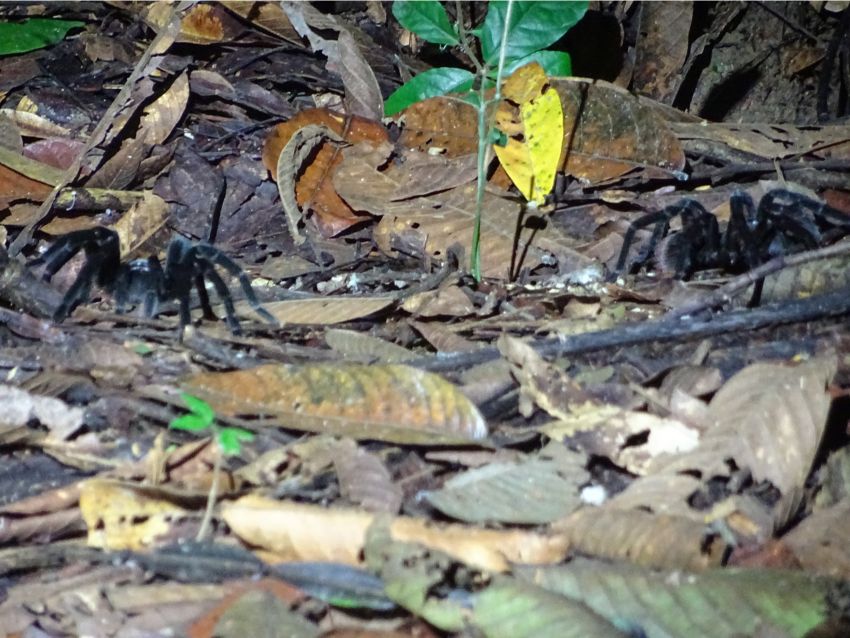
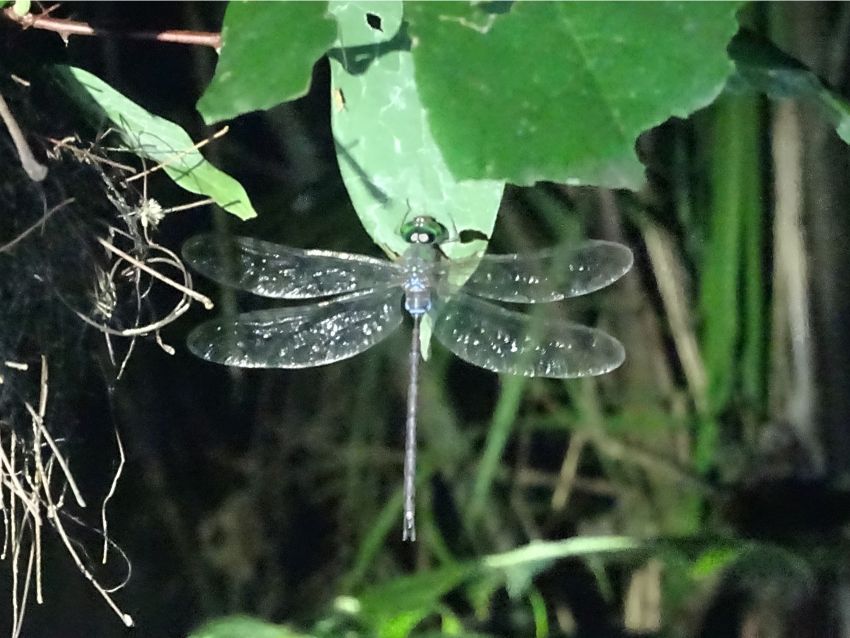
An hour later we did a nighttime walk in the jungle by the lodge – freaky! Navigating our way in the dark by torchlight we were able to see bullet ants (if 2 bite you it will kill you), chicken tarantulas, a pink toed tarantula, crickets and a beautiful, almost opaque, dragonfly. We crashed out that night at lights out (9pm) – what a day!
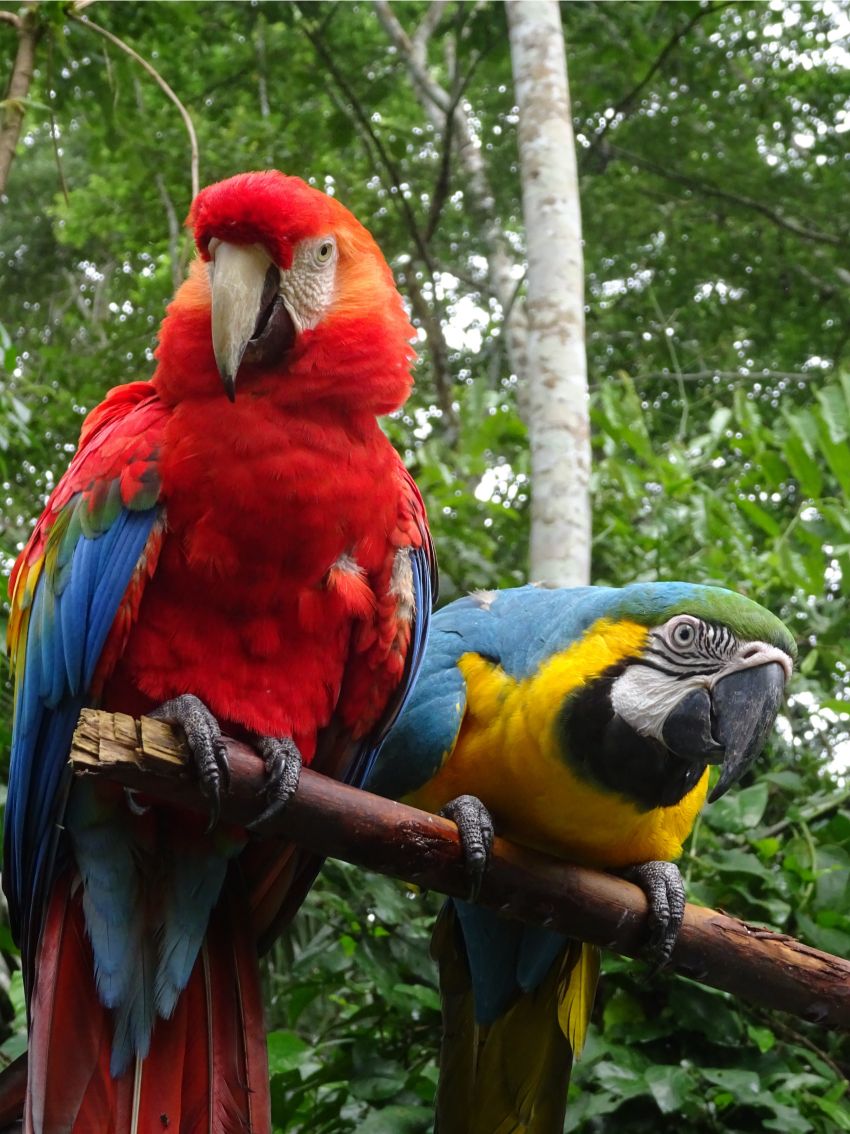
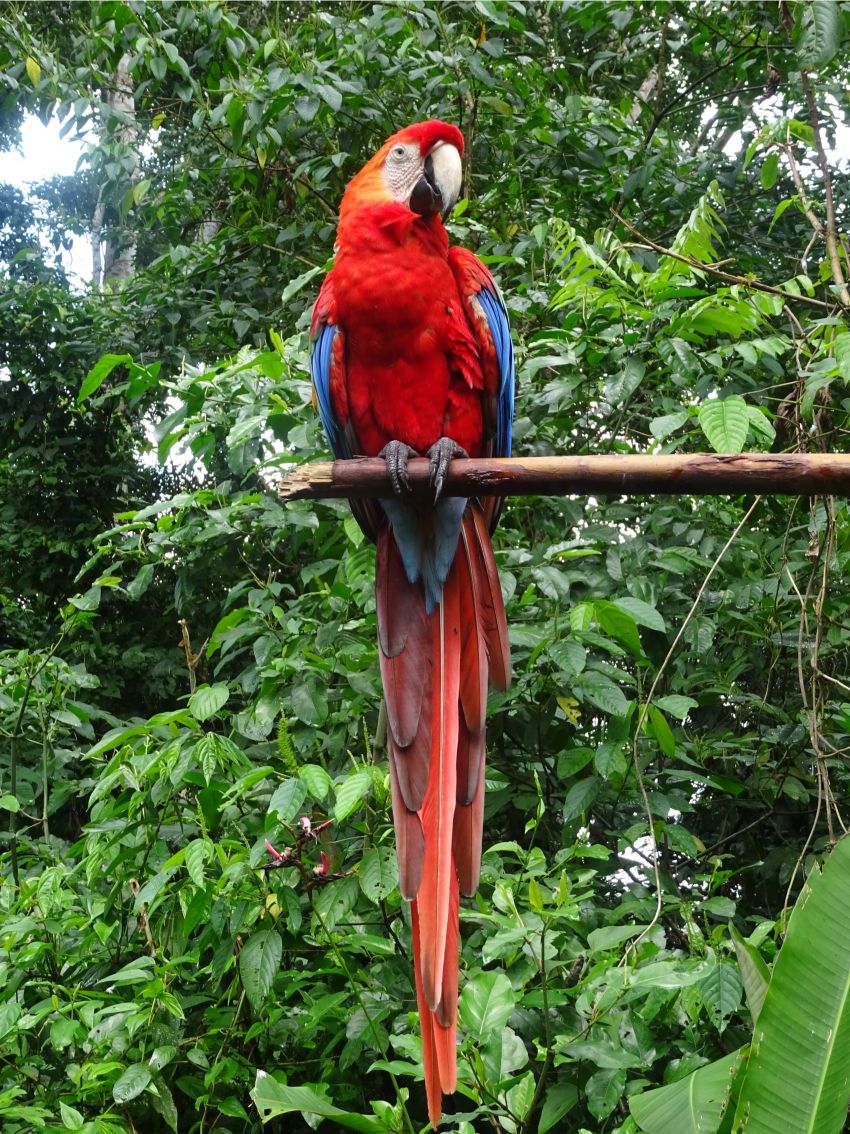
Day 3 of 4: This was spent in the animal rescue centre, where we were able to see animals that are seriously endangered because of poaching. The centre exists to rehabilitate injured, orphaned or confiscated wild animals, and to release them back into the wild where possible. What a treat it was to get up close to some of the animals we had seen in the wild and to see others we never would have. We saw the scarlet macaw, which is endangered because of people poaching its feathers, making them unable to fly – you can now see them only in a specific part of Peru, where not so long ago they were living in Brazil.
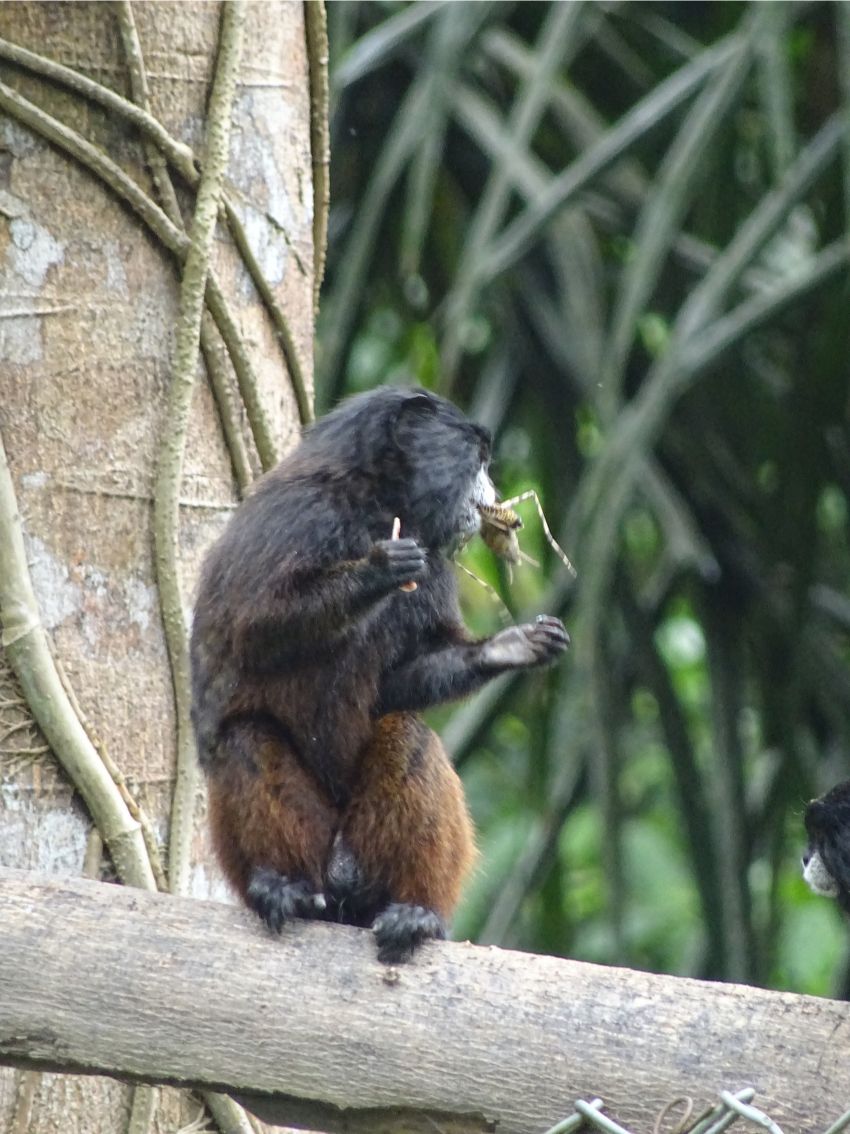
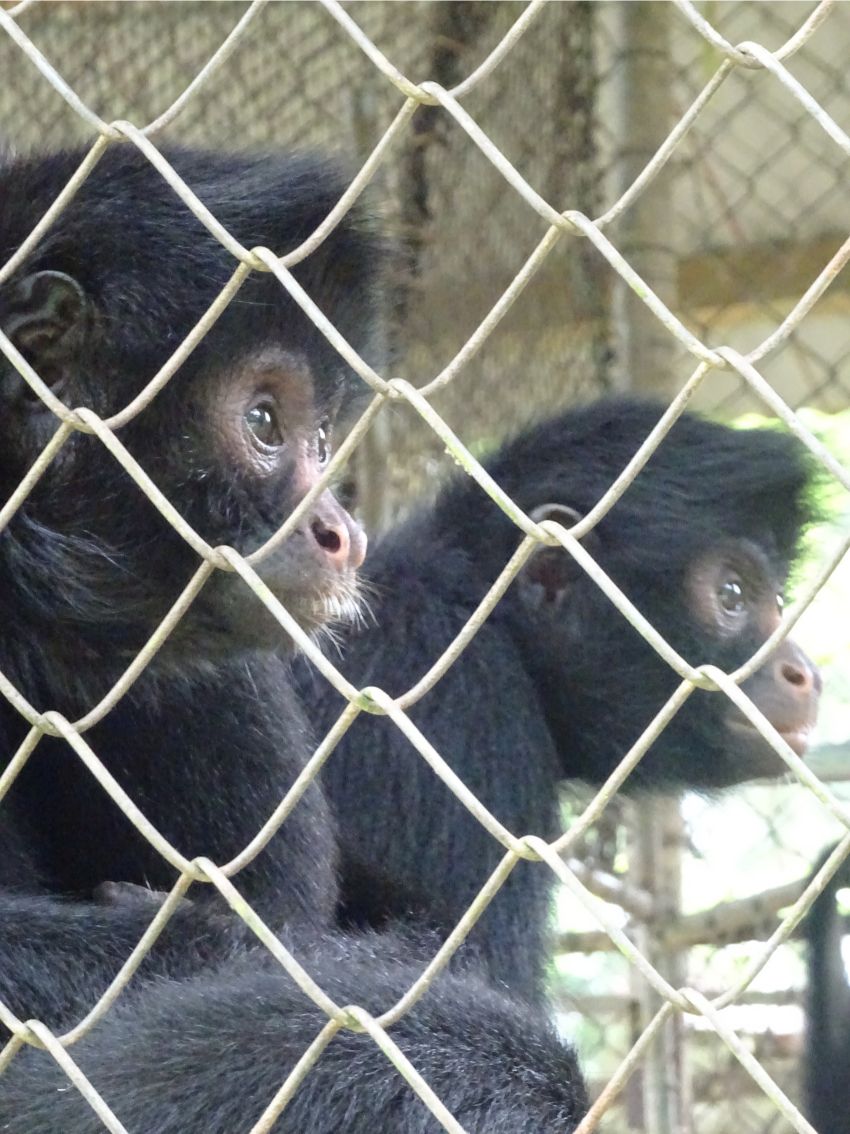
We also saw a few common breeds of monkey in the Amazon – the Tamarin monkey, the Red Howler we saw the day before which calls 2 hrs before rain(!), and the black spider monkey.
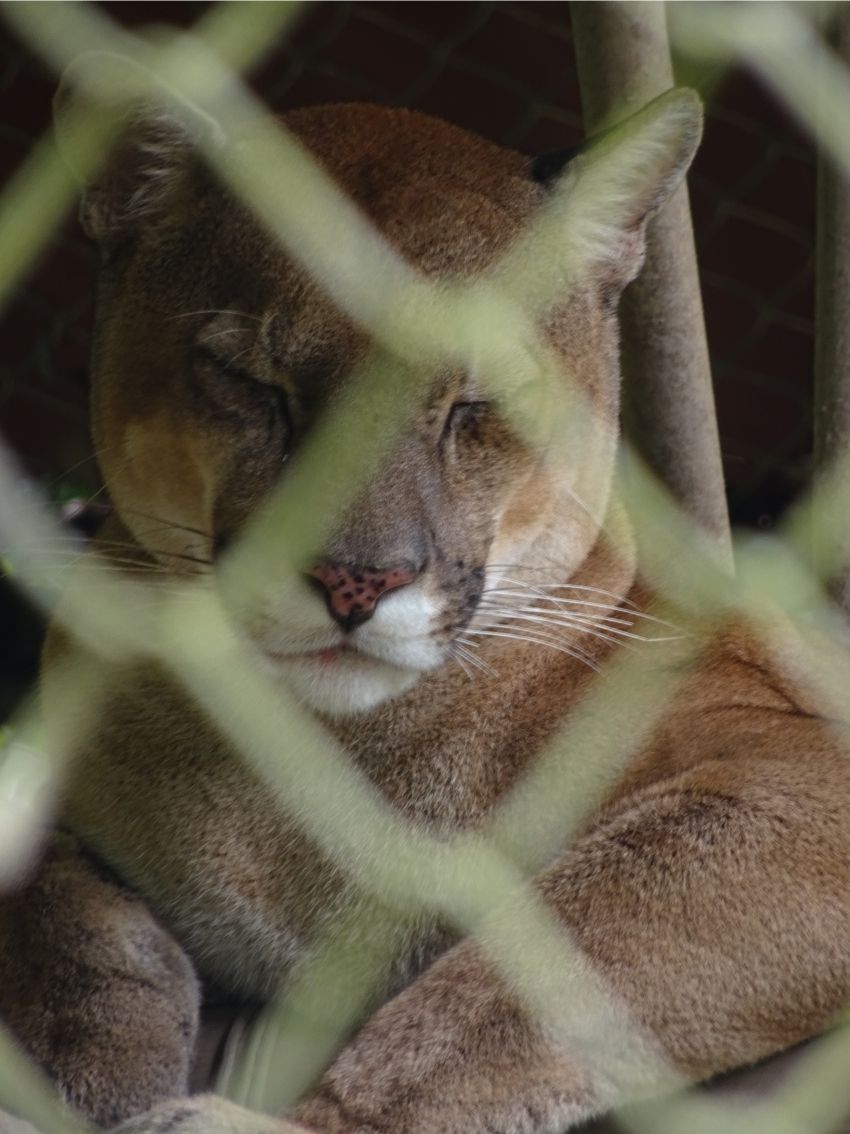
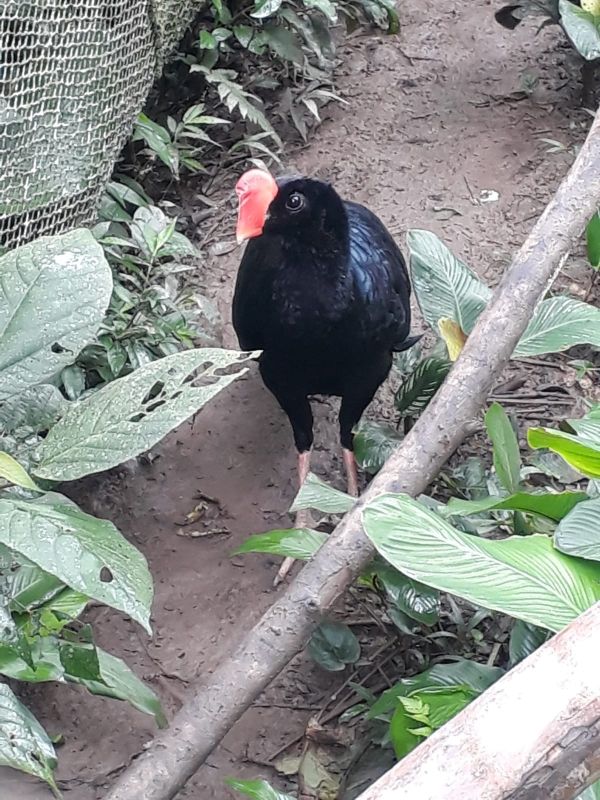
We saw a beautiful Puma called Simba, and some slightly stranger animals including the Ocelot cat (from the Jaguar family) and the chicken-like Razor bill Curacao.
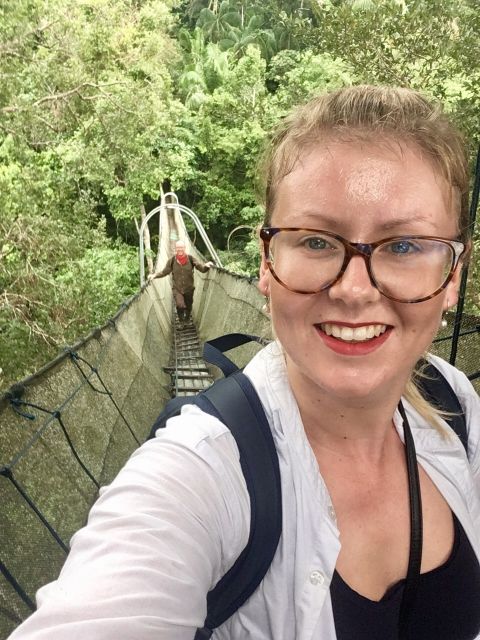
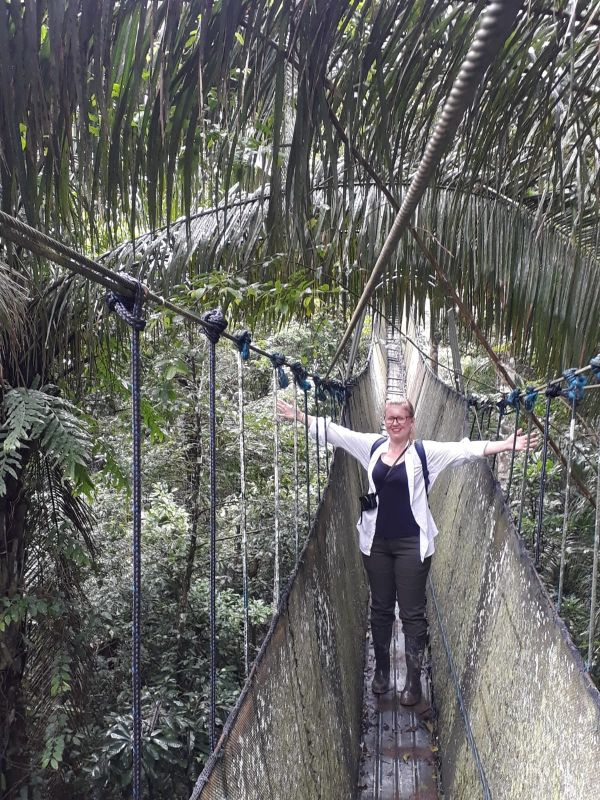
We also ventured up another canopy (this time 42m and a lot more rickety – health and safety was a bit non-existent here!) but were rewarded with another great vista of the lush rainforest.
After we visited the butterfly house to see owl butterflies and tried for a second time, and failed, to catch Piranhas by the stream beside the centre.
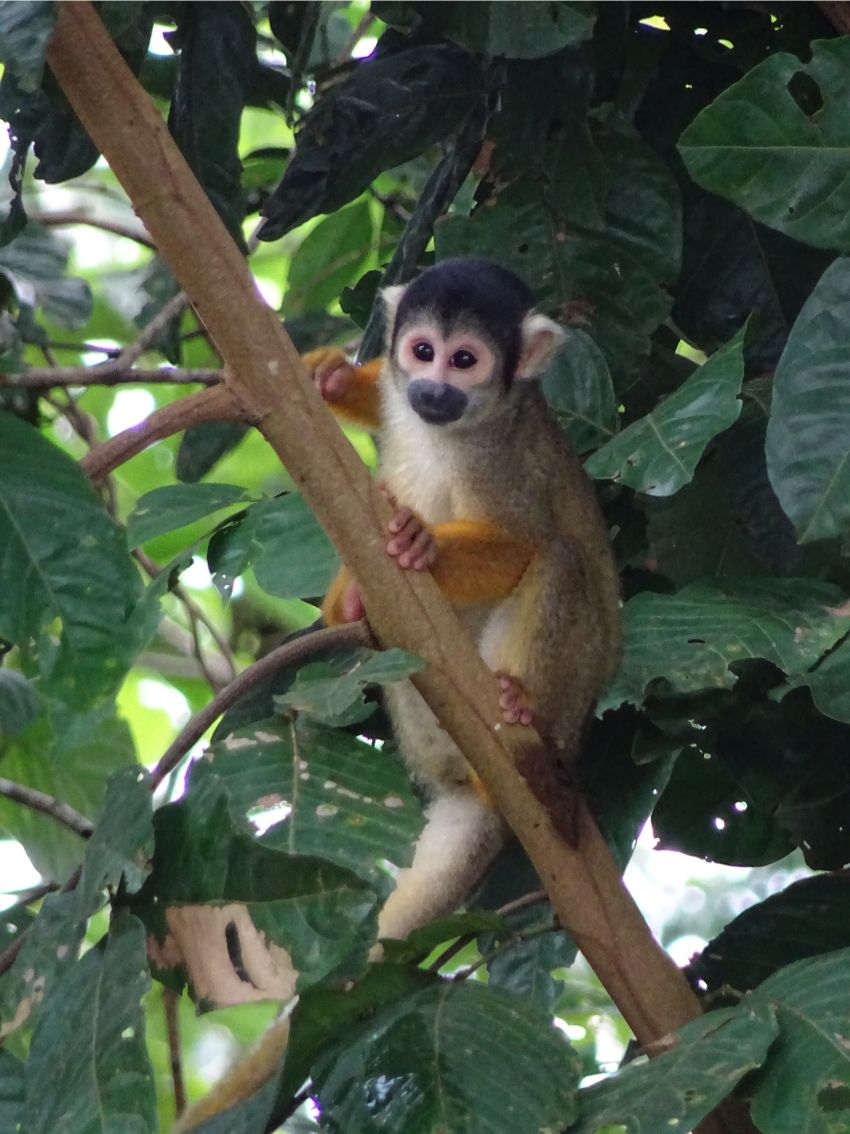
On the way home though we got a good look at a band of playful squirrel monkeys (one of my favourites) dashing through the low trees along the river bank. We even tried some of the fruit they were munching on!
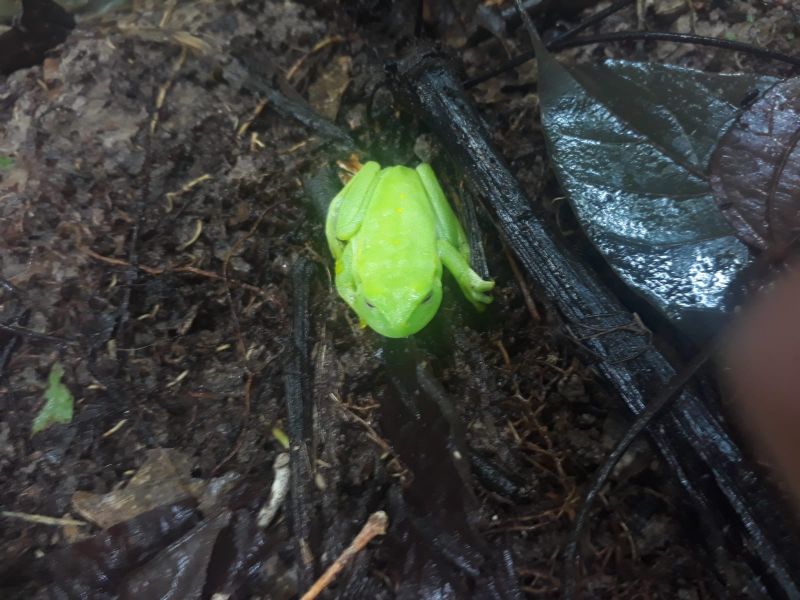
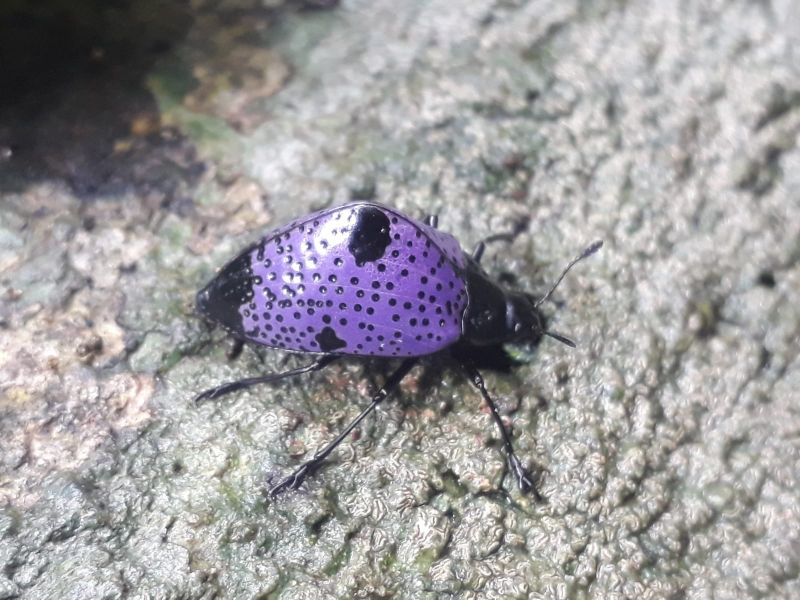
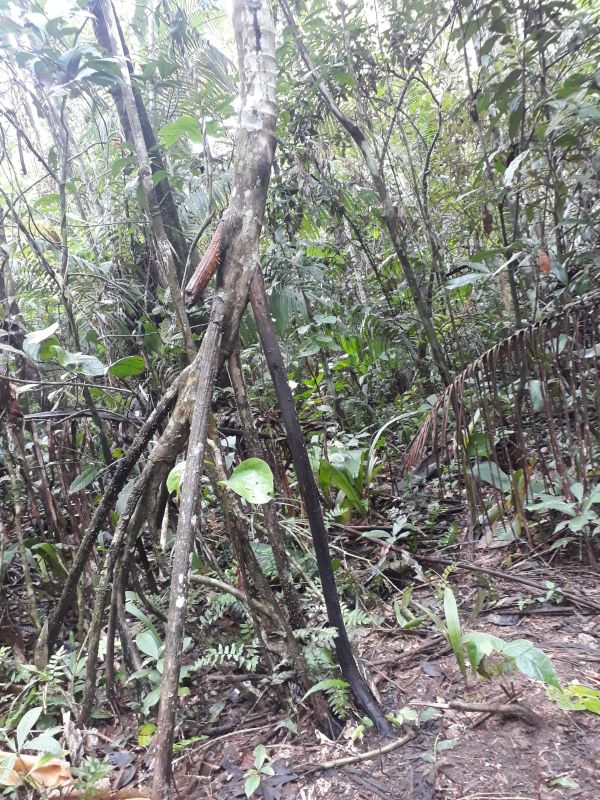
Day 4 of 4: Our last day in the jungle was spent walking deep into the area around our lodge. We were joined by a guy from Canada who we nicknamed ‘Greg the jinx’ as the animals, after some severe storms the night before (I woke up bolt upright in bed to the loudest crack of thunder straight overhead I had ever heard, and the rain sounded like it was coming through the roof), seemed to be hiding from us. We did however see some frogs and other insects (like this purple ladybird!) and the ‘walking palm tree’, which literally grows legs and sends them out in new directions.
Also impressive was the ‘Garlic garlic tree’ – we’re not sure if this is its real name or if Jonas just likes repeating words. His catchphrase of the trip was ‘watch out watch out’, usually in relation to how deep the mud was, the swaying of the canoe as we boarded, or the threat of a fire ant or bullet ant on a nearby leaf. Anyway, the garlic garlic tree was amazing – Jonas sliced a piece of bark off the trunk with his machete and it smelled like the most incredible garlic. He told us it was a natural insect repellant too. Well by day 4 I was a walking dot-to-dot so I grabbed a chunk of that garlic and rubbed it all over me. Needless to say it lingers (Greg kept commenting that he could smell more garlic trees, but it was in fact me downwind – perhaps a hot shower when we get to Lima will help…!)
We spent the afternoon of our last day searching for monkeys on the aptly named ‘monkey island’ but Greg struck again – no monkeys! Jonas did his best with his bags of bananas and nuts, calling ‘chicos’ over and over through possibly the most humid and dense bit of jungle of the lot, but despite hearing them they didn’t come close.
The same was true of the evening, where for our last activity we went looking for caimans in the river with torches. Greg had struck again! Although in rainy season apparently it is notoriously difficult to spot caimans, so we had done well to see some on our second day. Off to the hammock one last time.
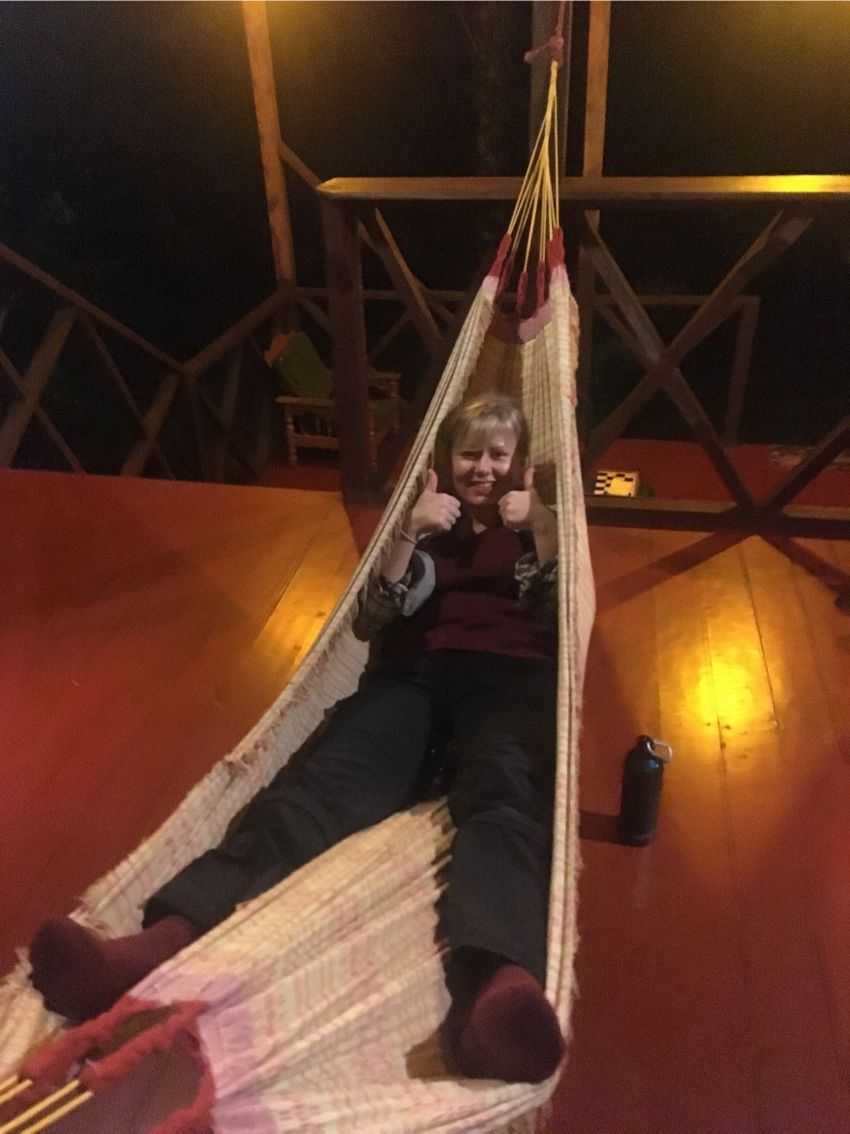
So, waiting for the plane to our next destination, Lima, I’m surprised to find how relaxed jungle life was. It was an action-packed 4 days, but a slower way of life, helped by the 1-2hr breaks in between activities where we would lounge in the hammocks, sometimes nodding off, or playing word games or sifting through photos. I hadn’t expected to feel relaxed in the humid, mosquito-ridden, muddy jungle, but it was a quiet refuge. The amazon is omni-present, and requires the utmost respect, where humans are vulnerable to the elements and the creatures of the jungle in a way I’ve never experienced. We’ve been without hot water, electricity and WiFi for the majority of the time, but how liberating it has been. I wonder how Lima will feel after we’ve been tucked away in this little corner of the world, seeking out some of the wonders of nature we’ve been lucky enough to stand alongside.
 Around the world in 140 days