
Author: Both
Photos: Rach
On the day that marks the turn of our 4th week away, we write the first account of our G Adventures 34 day trip through South America – Lima to Buenos Aires. This past week has marked a bit of a change of tone, as we evolve from being a duo to being one of 18 on a very organised itinerary! Needless to say G adventures has delivered on the adventure so far, even if it hasn’t been the most comfortable at times!
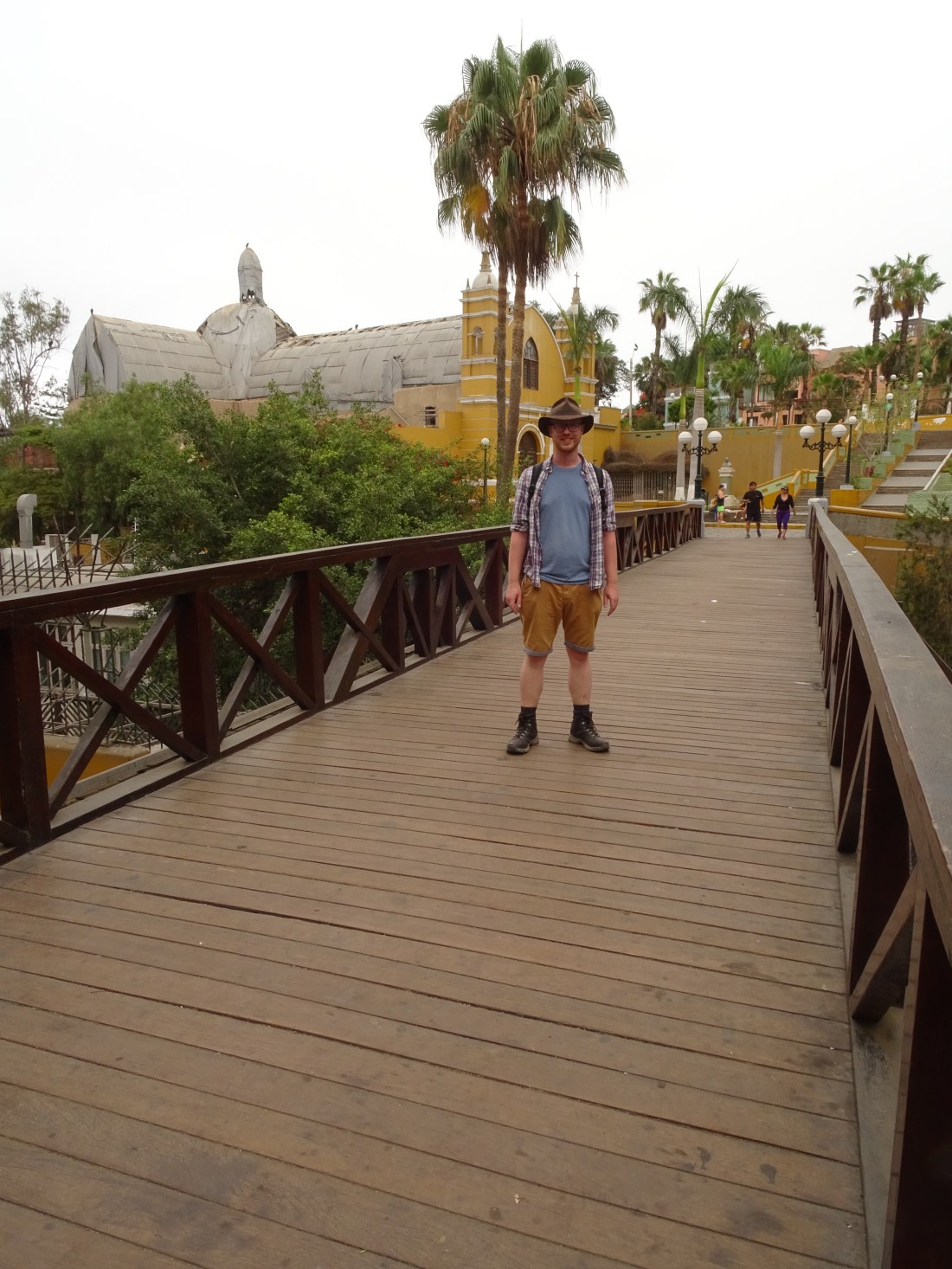
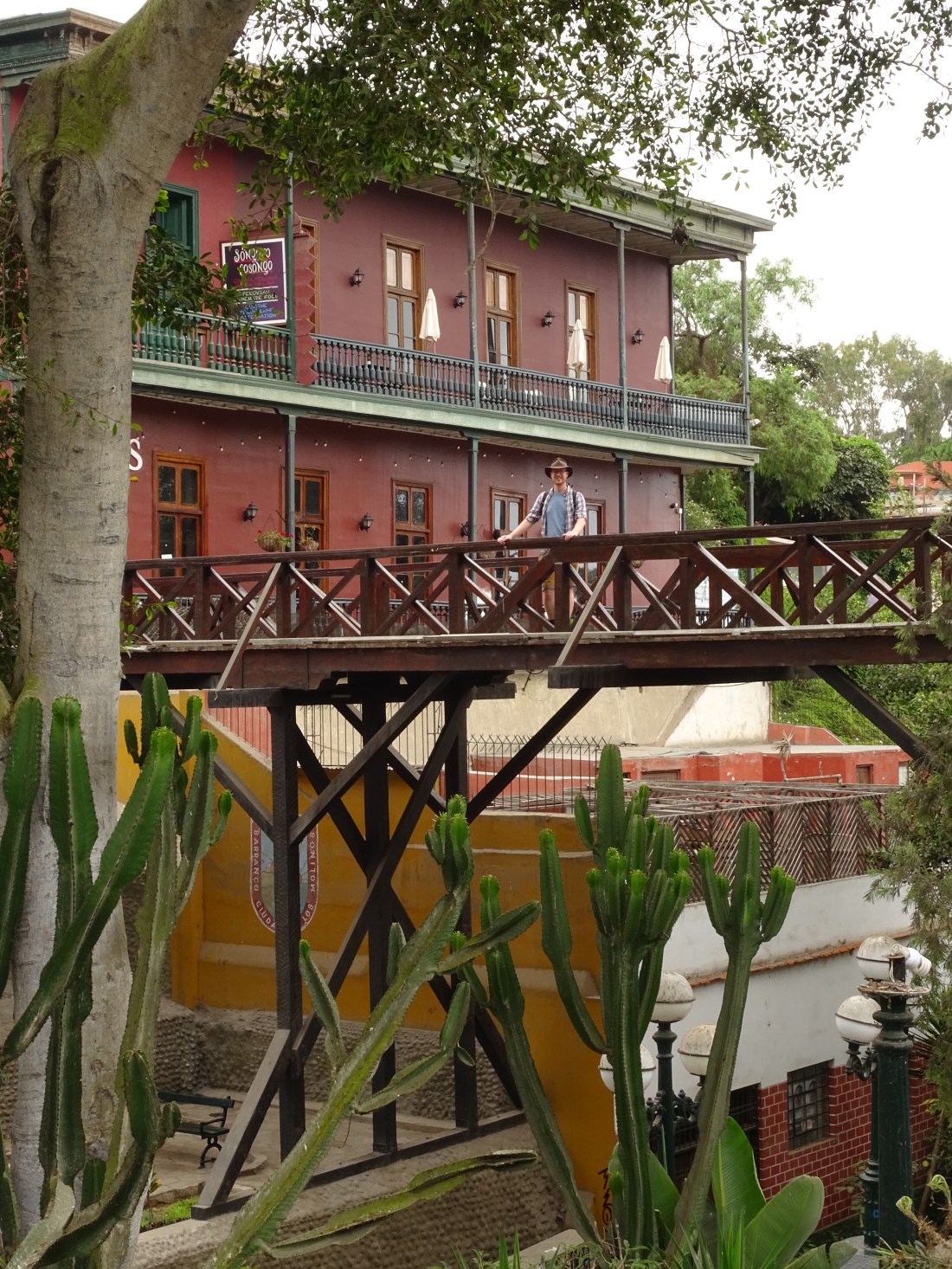
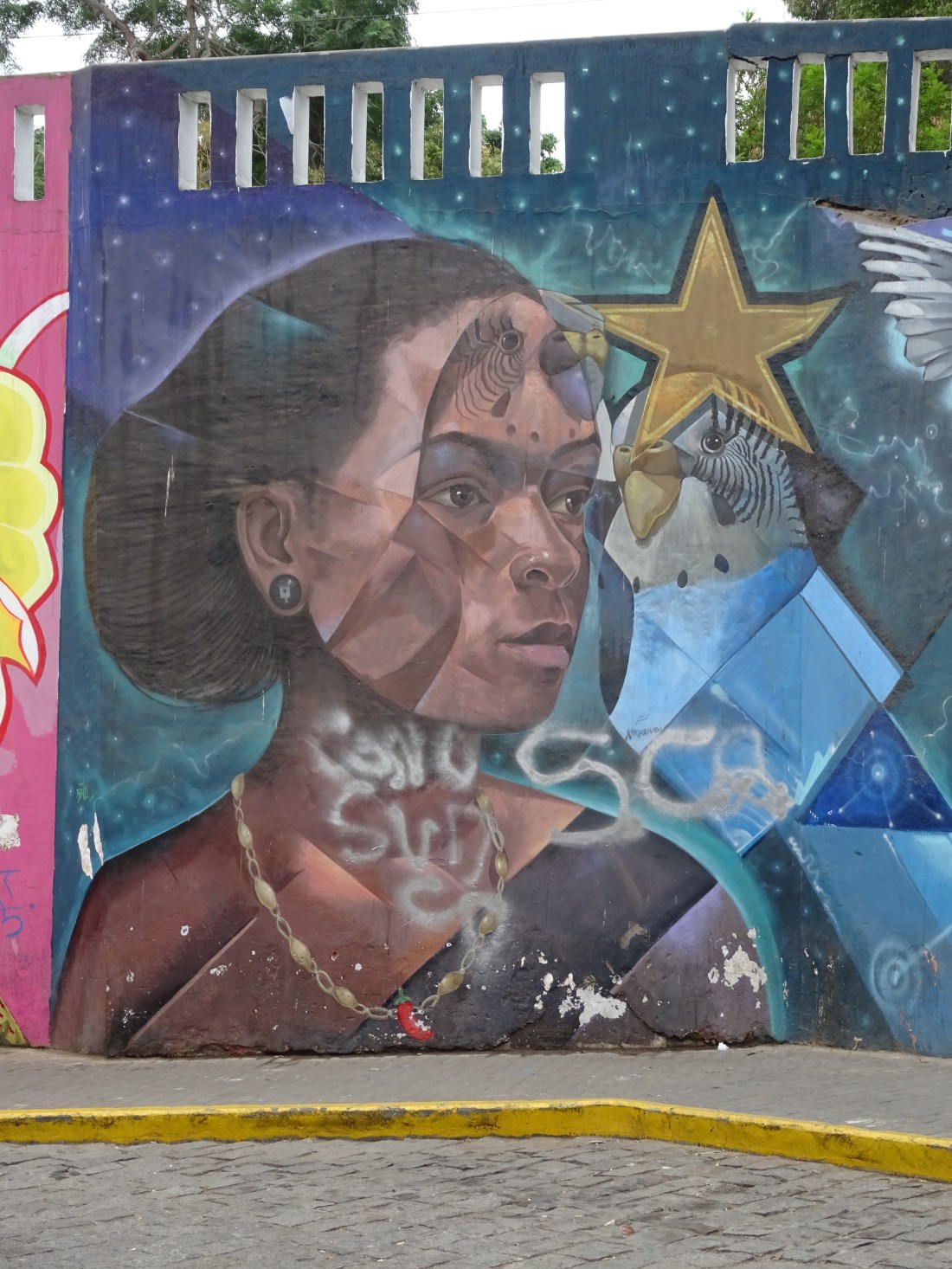
Sunday was our first day as a group and would largely be spent on a bus to Paracas. We did a quick visit to the Bridge of Sighs in the morning in the Barranco neighbourhood (not where we had spent our 3 solo nights) to see a bit more of the area and hold our breath and make the obligatory wish as we walked across the bridge.
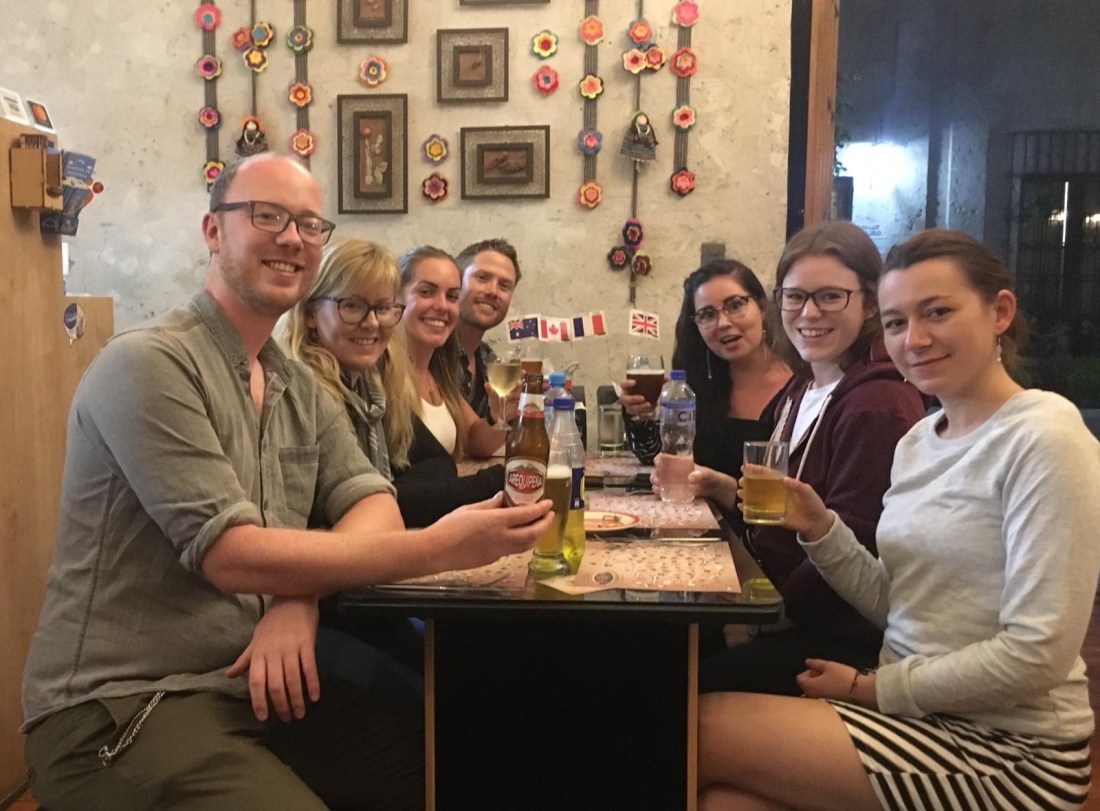
We boarded the bus and had a nice chance to get to know some of our fellow travellers. What an international bunch!
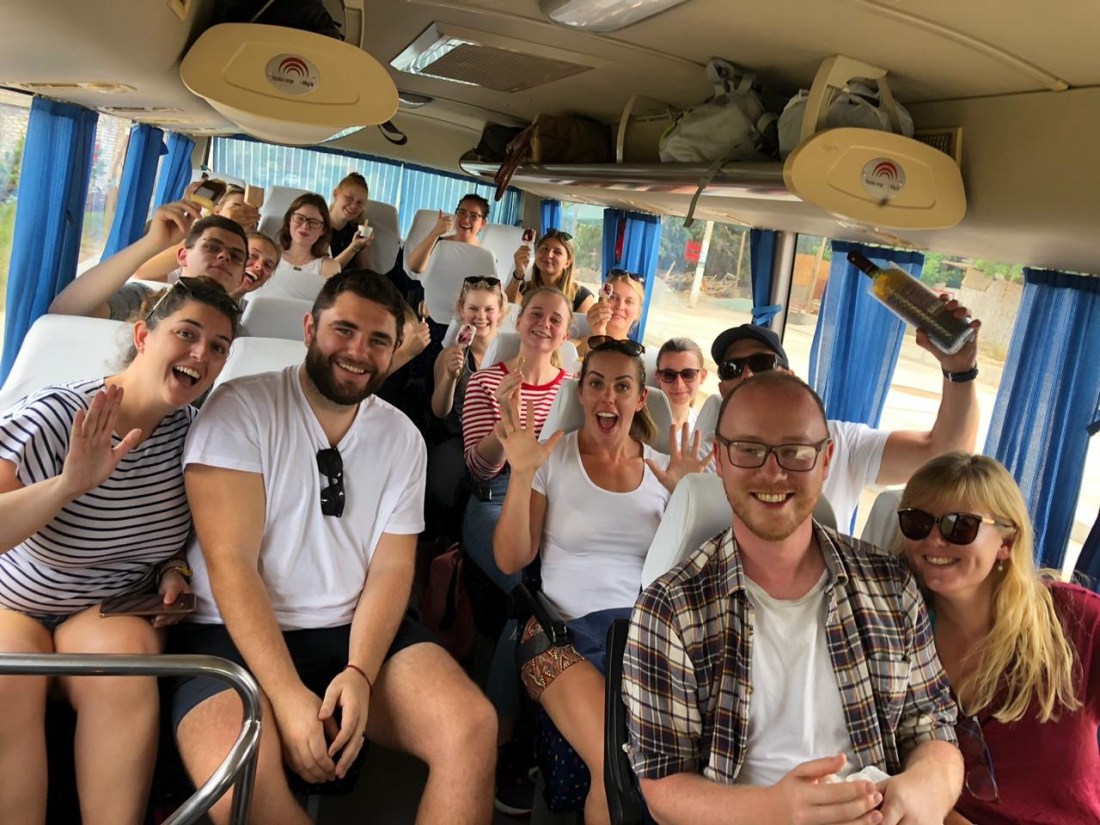
By way of quick introduction:
UK & Ireland
• Us
• Elly – recent grad, from Buckingham, UK
• Niamh & Shane – couple from Dublin who have been travelling since August (doing a similar trip to us but backwards!)
• Holly – works for homeless charity, from Dublin
Australia & NZ
• Stacey & Lynden – from Perth, Aus (Stacey originally front Kent) on honeymoon
• Holly from Aus (affectionately known as Holly 2 because of Dublin Holly)
• Brigitte from Aus
• Lauren, from Dunedin, NZ
Scandinavia
• Karoline, from Norway
• Viktoria, from Sweden
• Sara, from Norway
• Krista, from Finland
Western Europe
• Marine from France
• Dries from Belgium
US and Canada
• Hillary from Edmington, Western Canada.
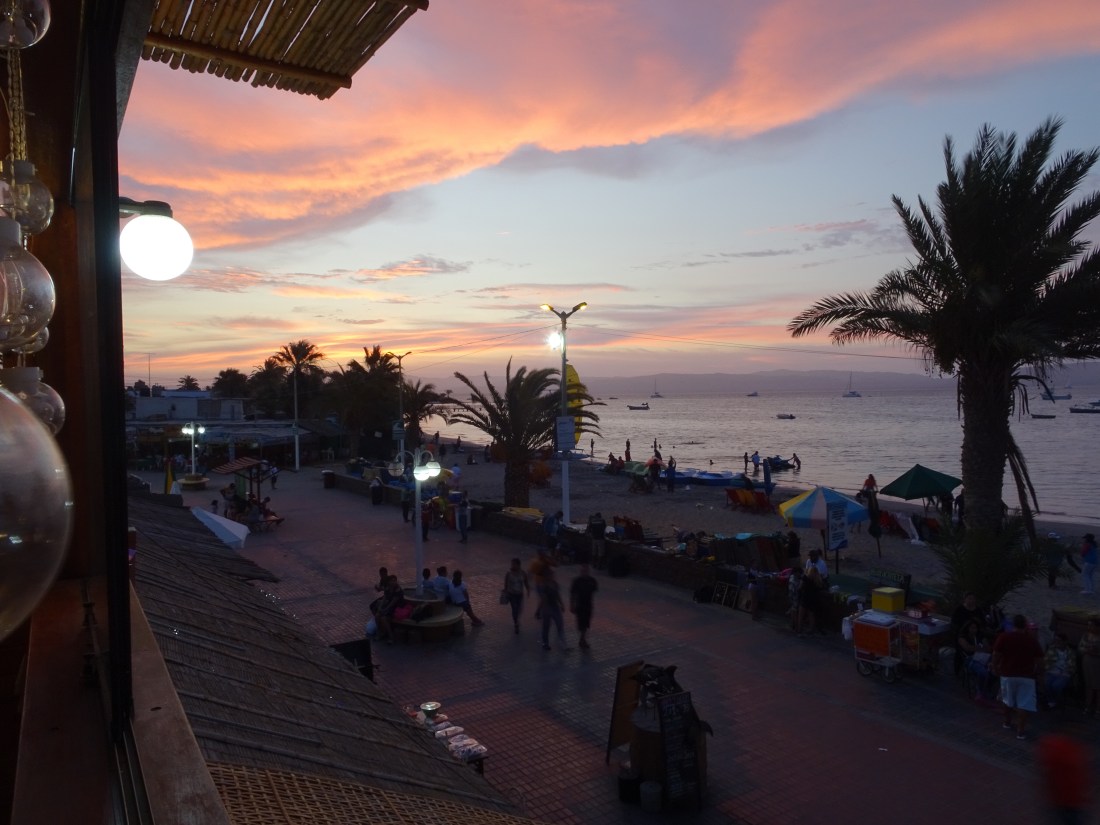
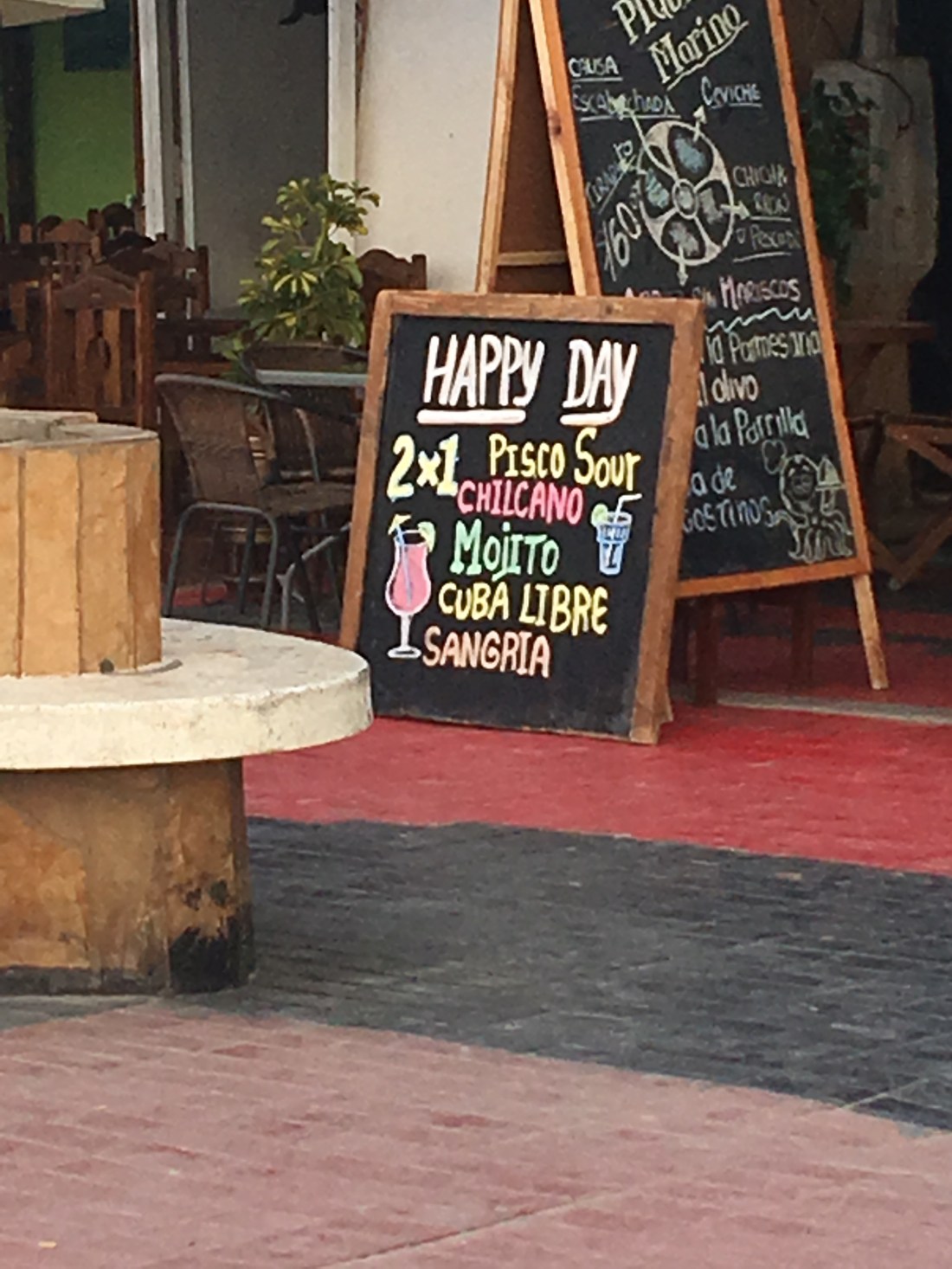
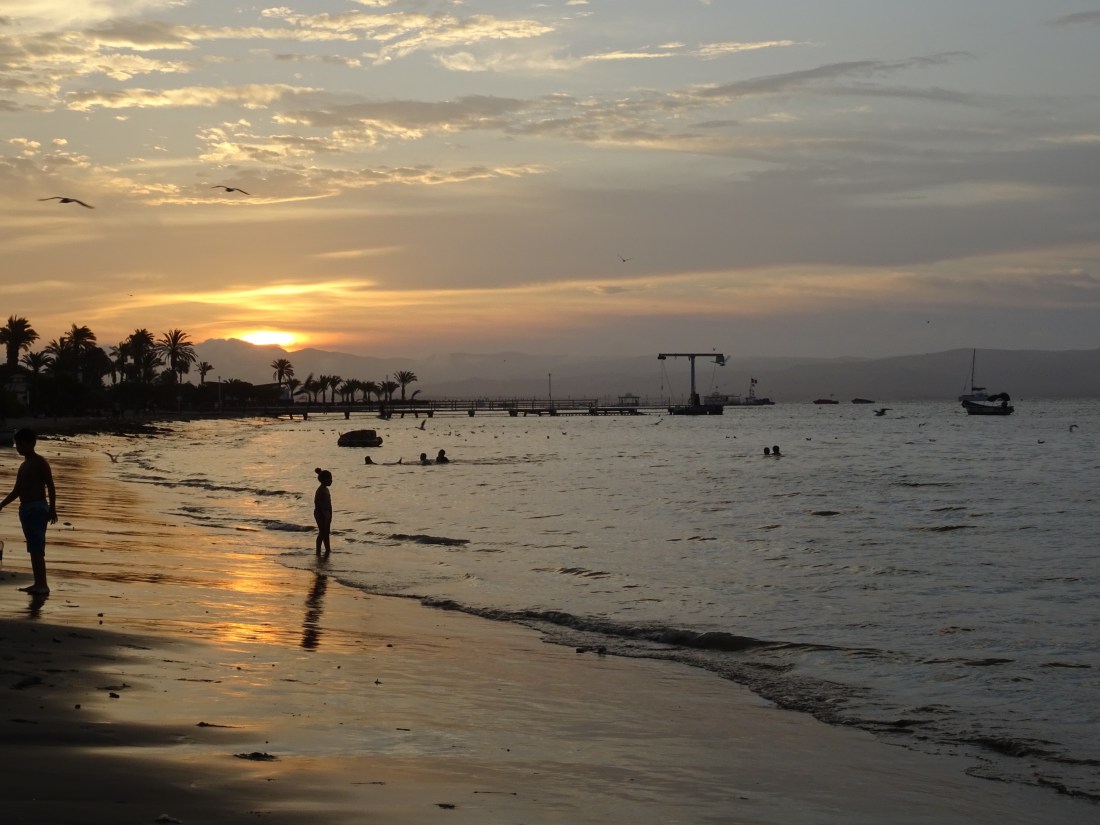
It was a 4hr or so bus ride to Paracas, which was mainly an overnight stop en route to Nazca. Nevertheless the little fishing town gave us a lovely sunset as we all wandered round the town and then found a ‘happy day’ (not hour!) bar to have a few rounds of beers / Pisco sours before going for some tea.
We then went to the rooftop of our hotel to try to catch the lunar eclipse (there was promise of a blood red moon) and continued drinking as we got to know each other. While we definitely succeeded in the latter, we didn’t get much of a moon show!
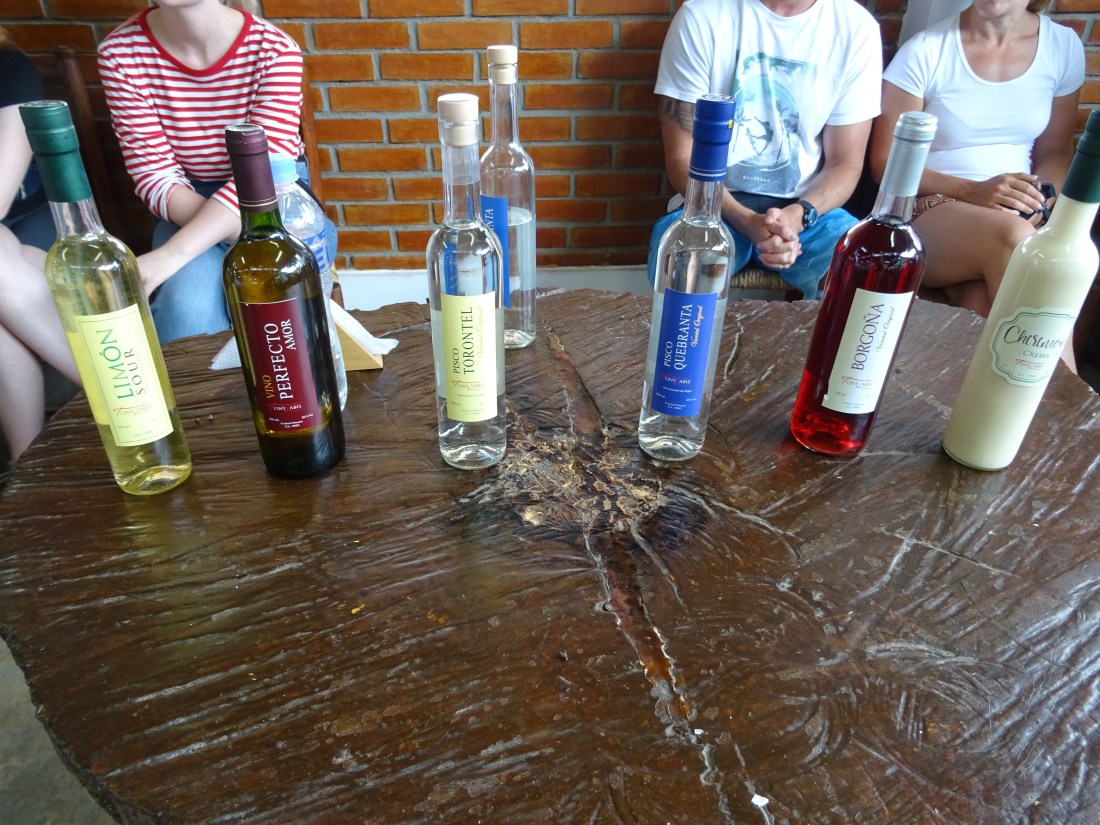
Day 2 on the way to Nazca we stopped at a winery in Huacachina for wine tasting, which was in fact more of a Pisco distillery. We were treated to a great tour by our guide there Sophie, who explained how in March every year they stamp up and down on 8000 kilos of grapes while dancing to Peruvian music, and then use a big press made with the wood of the Warangu tree (like oak) to crush them to get the juices out.
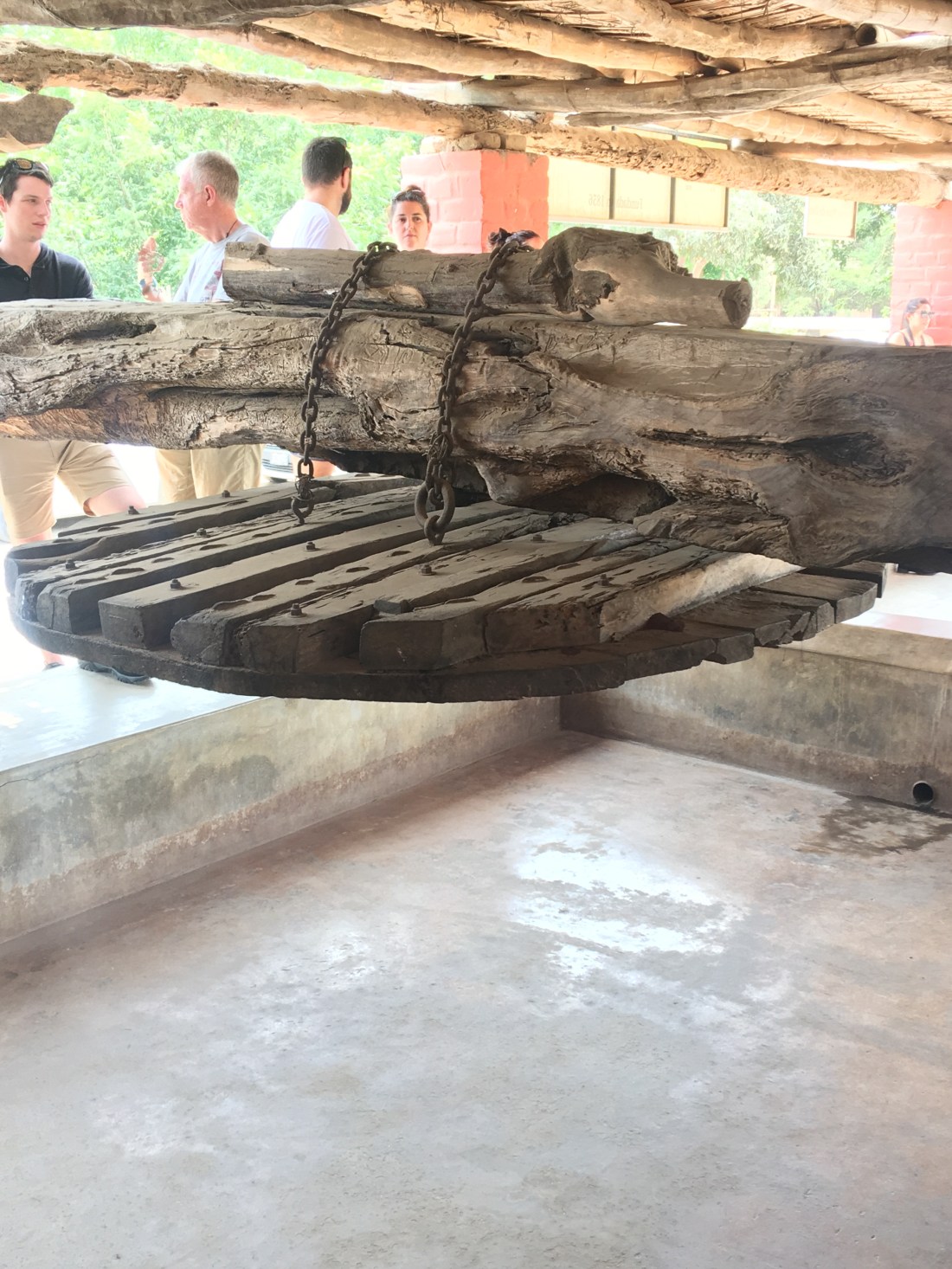
The liquid is fermented in vessels for 2 weeks and then distilled through copper cachinas before being allowed to rest for 3 months to improve flavour and reduce alcohol content.
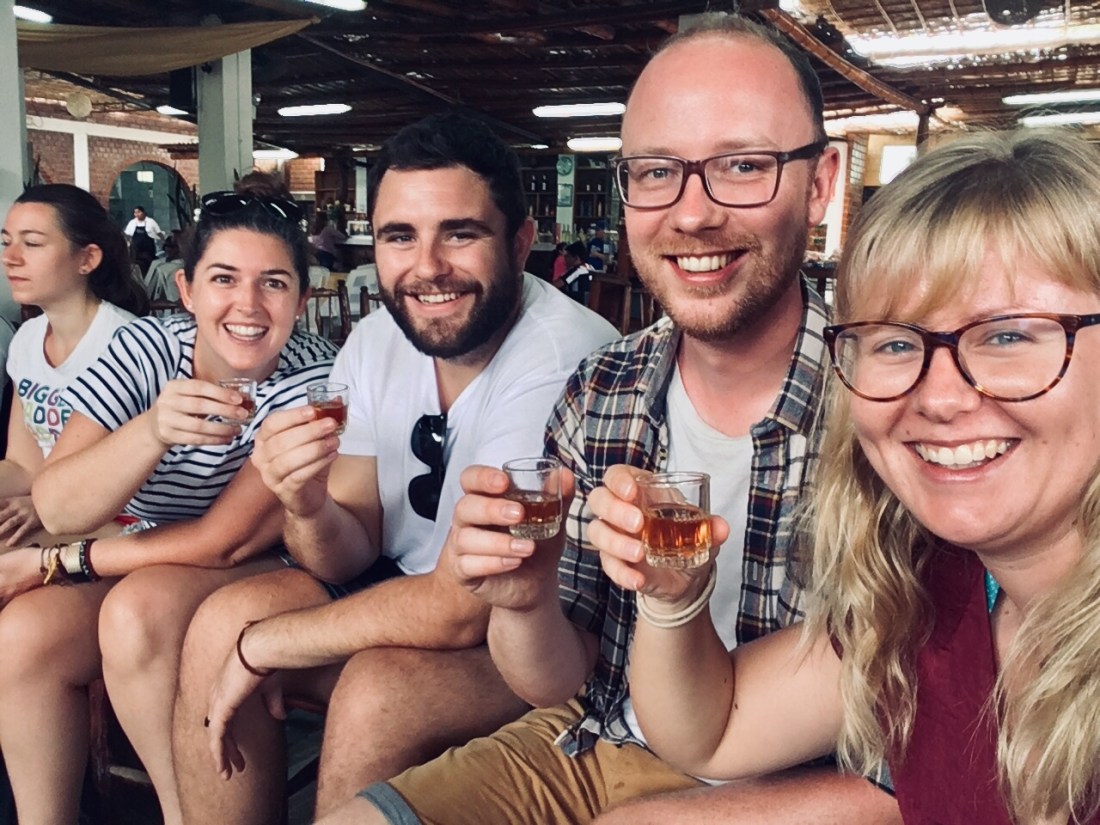
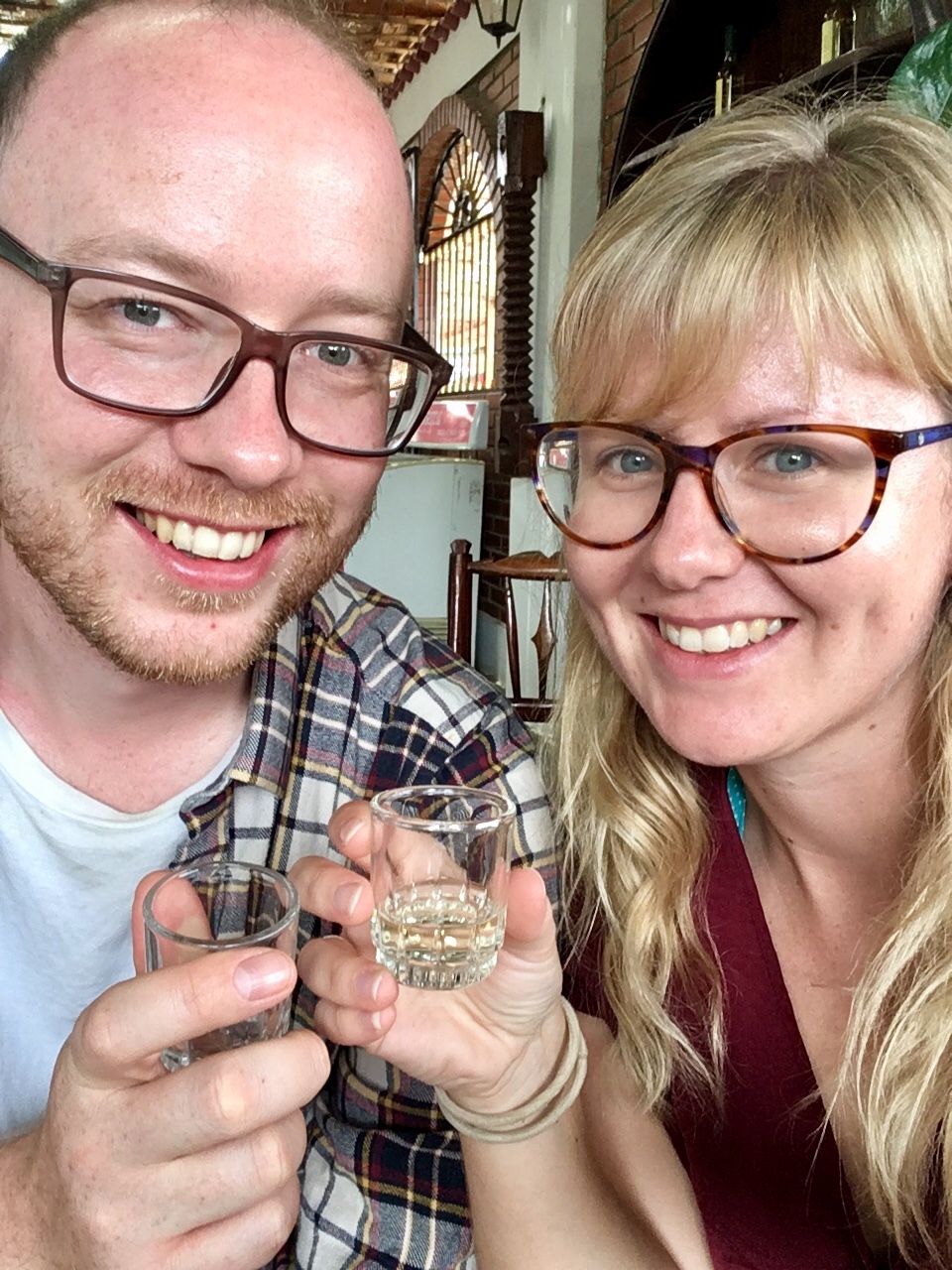
We then sat around to taste the endless varieties of Pisco and sweet wines produced (in shot form!) while Sophie instructed us in reciting whimsical traditional sayings in Spanish before downing each one (e.g ‘the sun is hot, the mountain is high, I am so glad I am down here drinking Pisco!’) We must have had about 8 shots each!
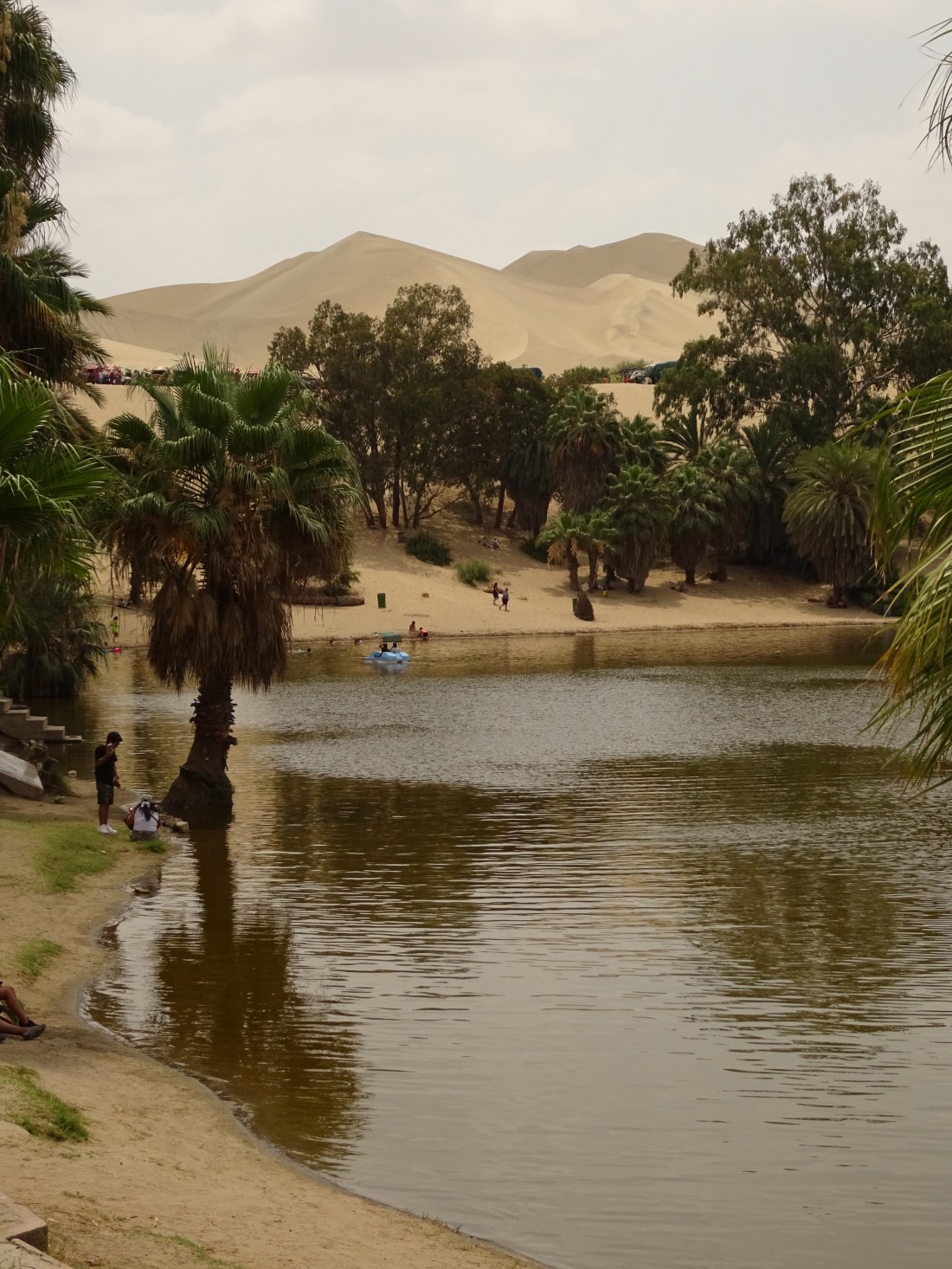
Our second stop on the way to Nazca was the Huacachina oasis near Ica, famous for its sand dunes – a small lake sunk into the desert surrounded by palm trees with a hotel and pool next door. The main activity here is sand boarding, but we decided to skip this and chill out by the pool, drink a cold drink, and catch up on some reading with a view of the sand dunes in the distance.
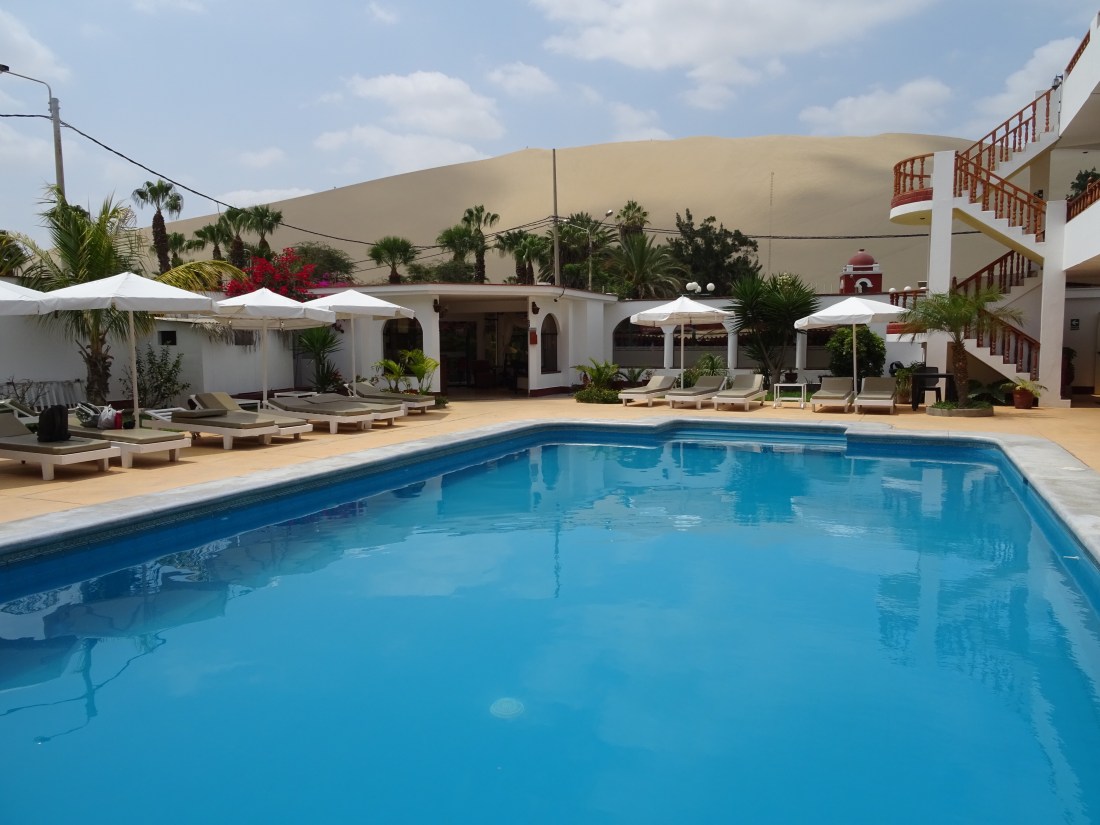
Our tour companions returned a couple of hours later and we knew we made the right choice. They said it was great but they were all a little battered and a little cooked by the sun. In any case, we will likely do sandboarding on the bigger dunes in Bolivia. After a quick meal of rice and chicken (seems to be the main meal in Peru) we boarded the bus for the last few hours to Nazca.
We arrived in Nazca after dark and so didn’t have much chance to get a feel for the place. It turned out that our “hotel” was a 20 minute drive outside of the city. The place had a very, very sinister vibe to it. Think Bates Motel from “Psycho” meets “From dusk til dawn.” It was clear no one had stayed at the place for a long time and more than a few people joked about being on the set of a horror movie. Which one of us would die first??? Everyone decided to stick together in the deserted “restaurant” and played cards or chatted, nerves eased with some of the wine or pisco purchased earlier. Most folk got an early night, some joked (somewhat nervously) that some of us would be missing in the morning……
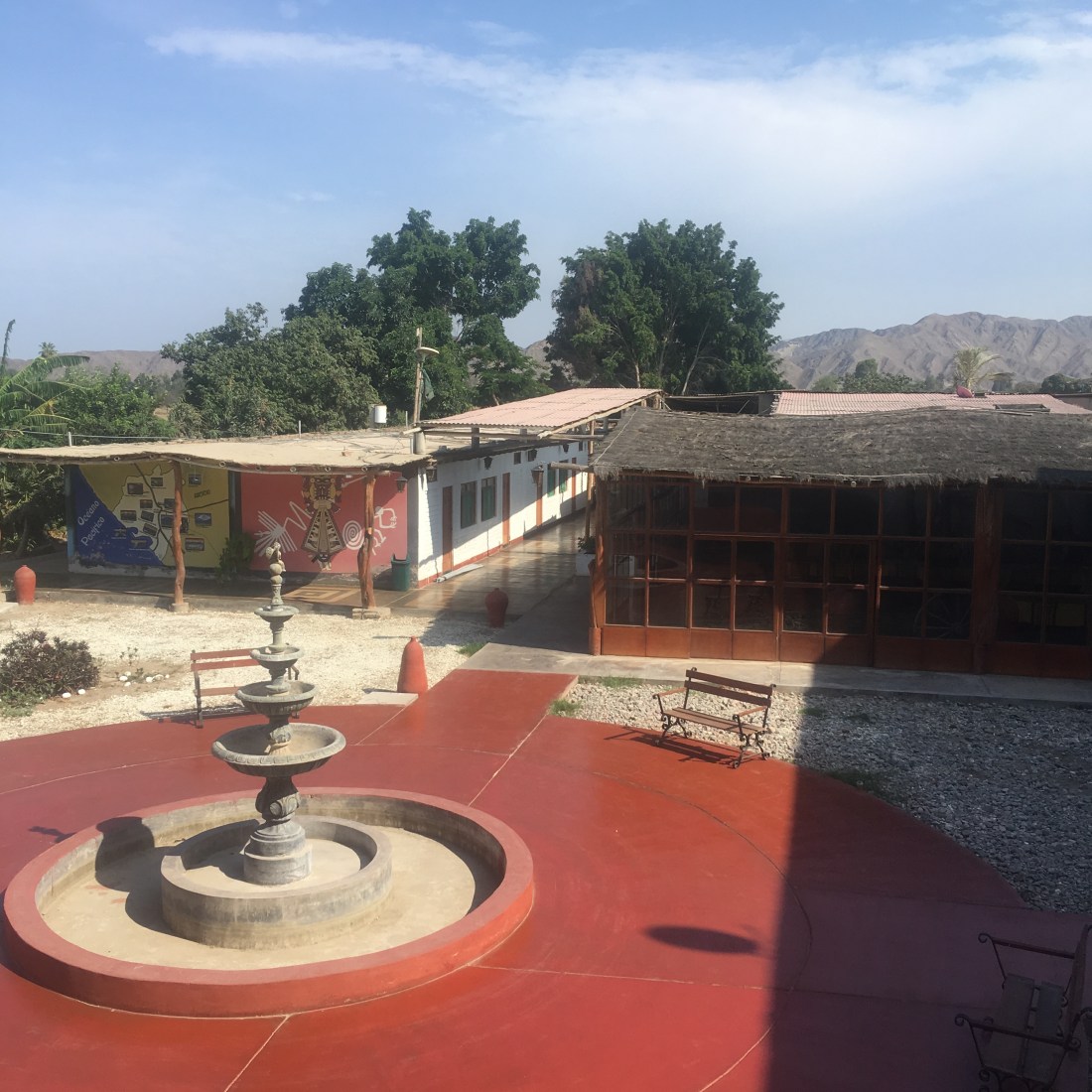
Dawn broke on day 3 and all persons were accounted for. After a cold shower and a quick breakfast we boarded a minibus for one of Ged’s top things to see; the famous Nazca lines!!
Three of our group paid for the flight over the lines for 45 minutes in the morning. We thought about this but decided not to as it was $120 US and was a really short flight. The other option was to take a taxi and see some of the lines from an observation tower for 4 Soles (about 80p). A bit of a difference in price!!!
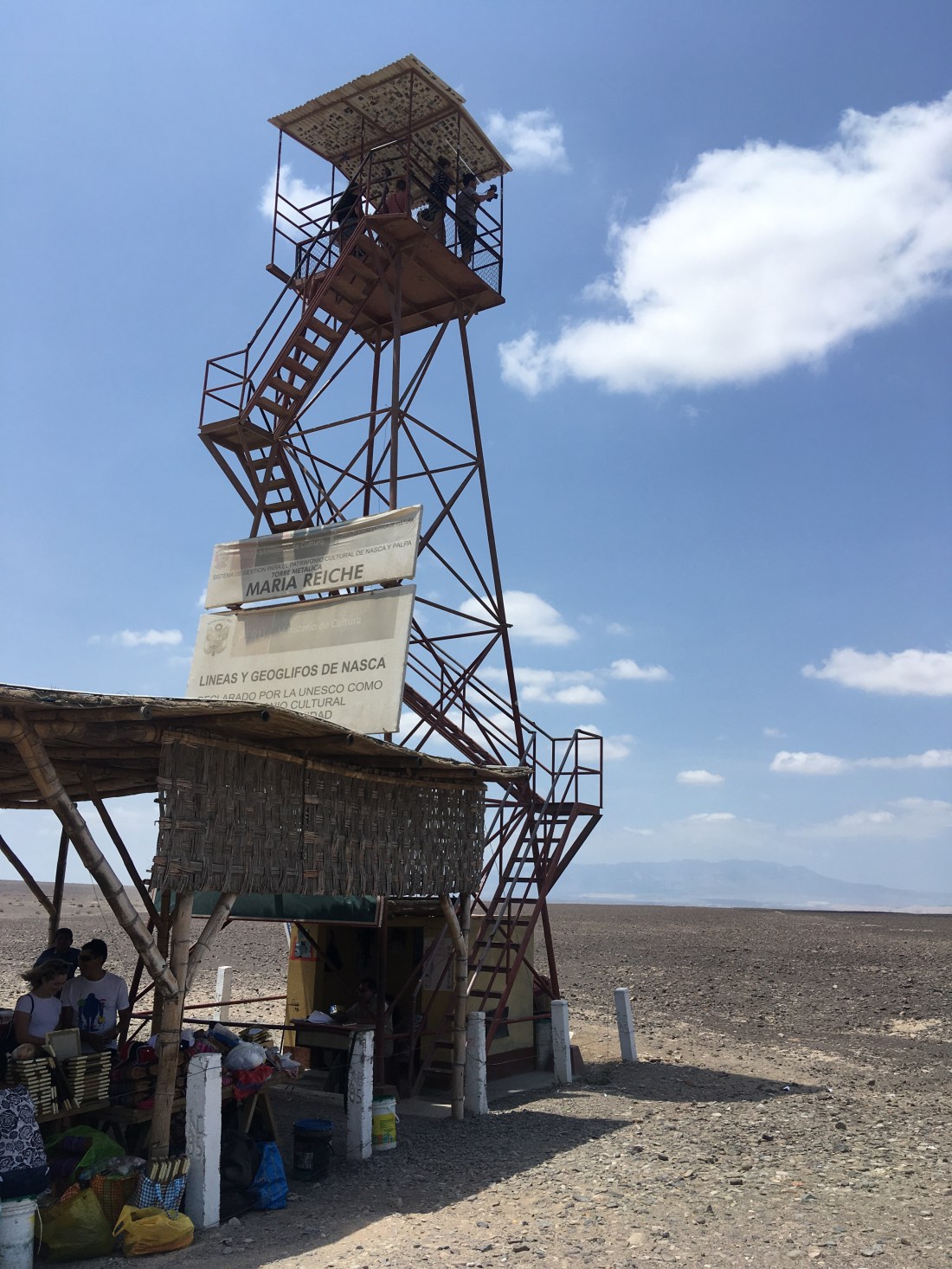
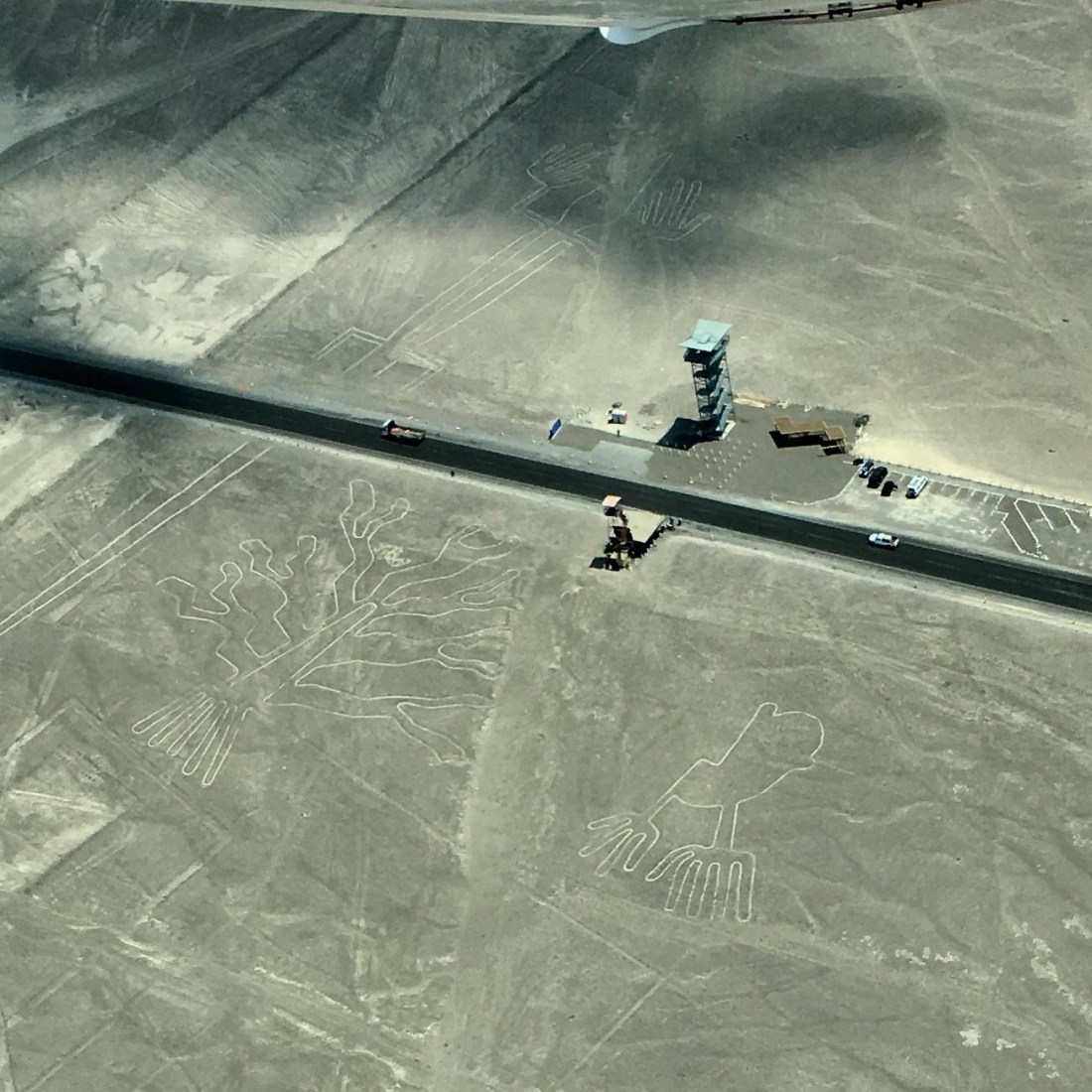
It turns out the cheaper option was the best in the end. The three people that had taken the flight hardly saw the lines as they were too busy trying to keep their breakfast down, the tiny plane’s manoeuvres having an undesired effect on them. From the tower we could see the tree, the hands (or frog), the lizard, and lots of other straight lines that stretched for miles into the distances (plane pic shared by Stacey included here for scale).
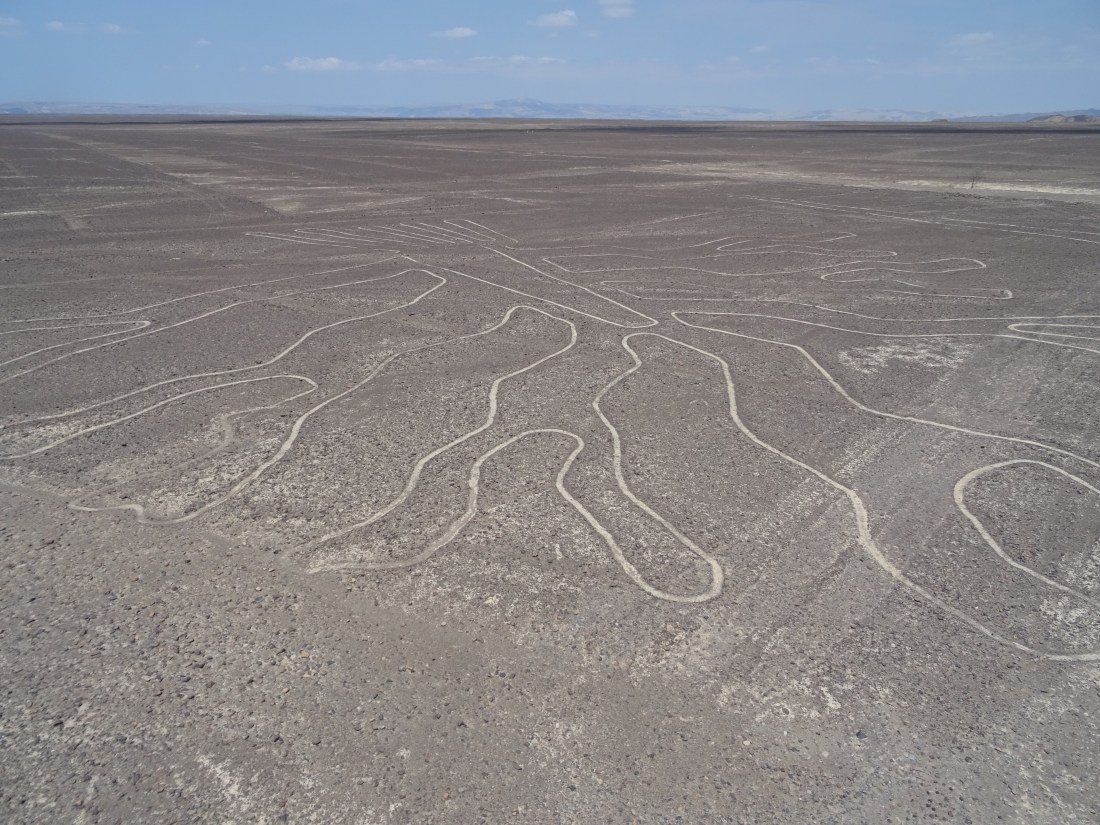
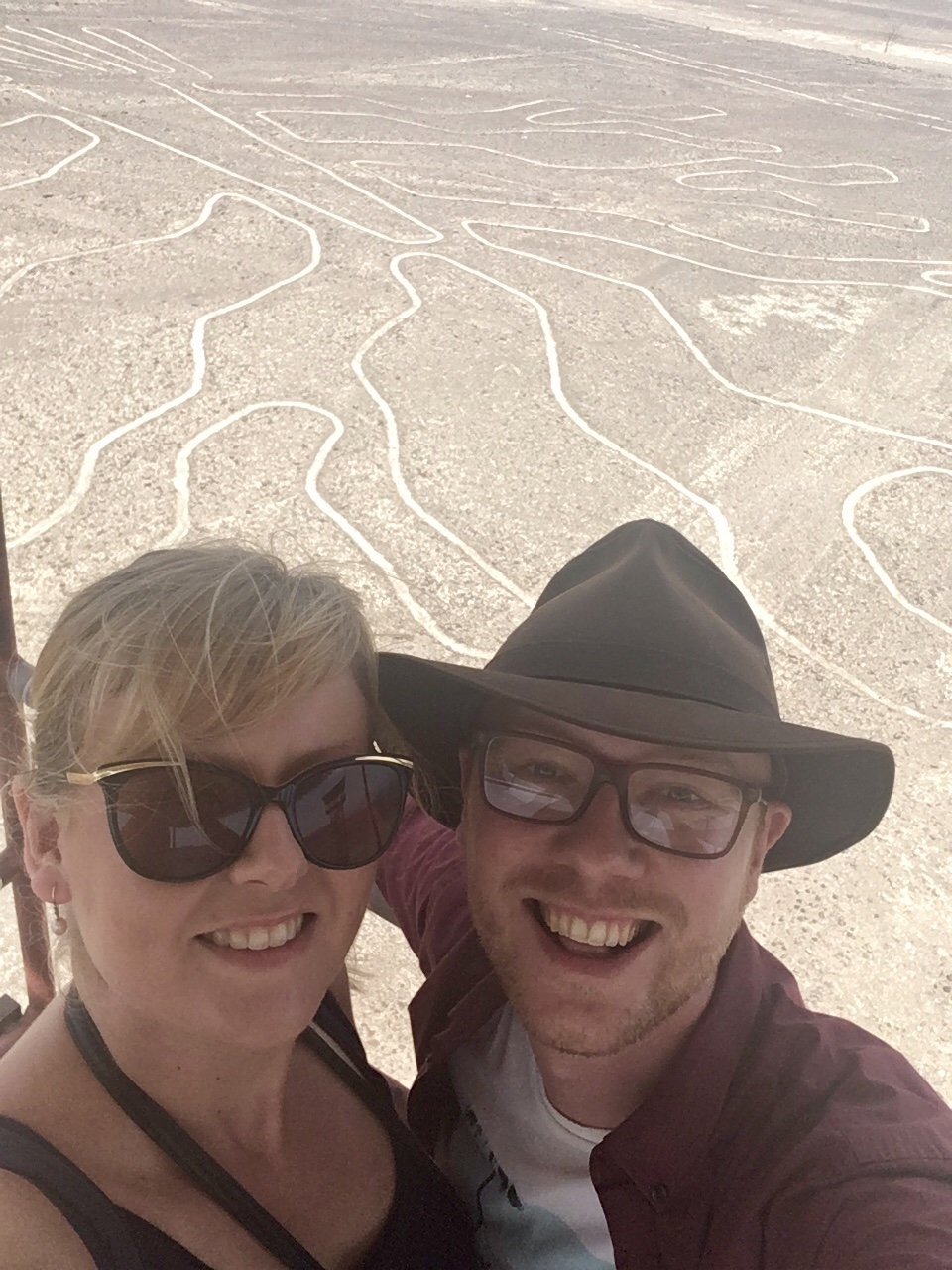
They were amazing. Utterly. Built perhaps seven centuries ago, with no modern technology, and preserved with no help from mankind, these astounding pictures could only be seen by the gods until the 1920s and the invention of powered flight. We are sure some people will testify that these must have been made by aliens….. but we prefer that the ingenuity and determination of the Nazca people should not be dismissed. True artists and geniuses.
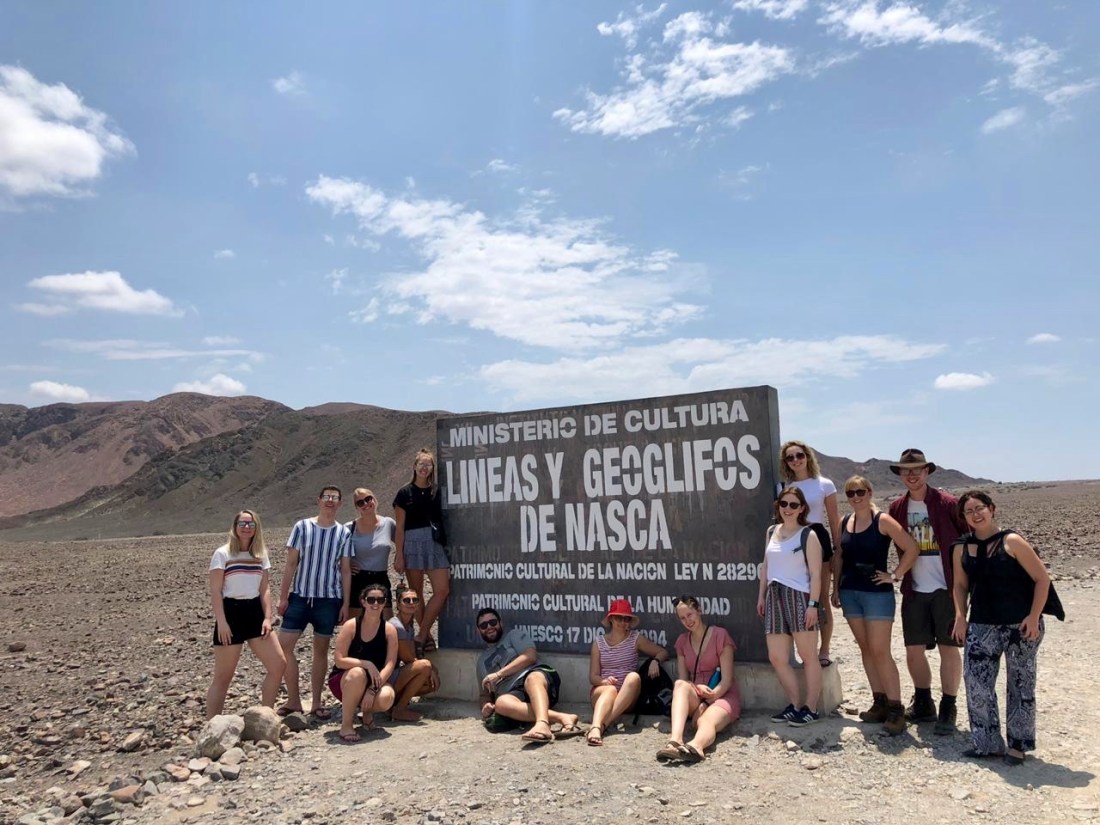
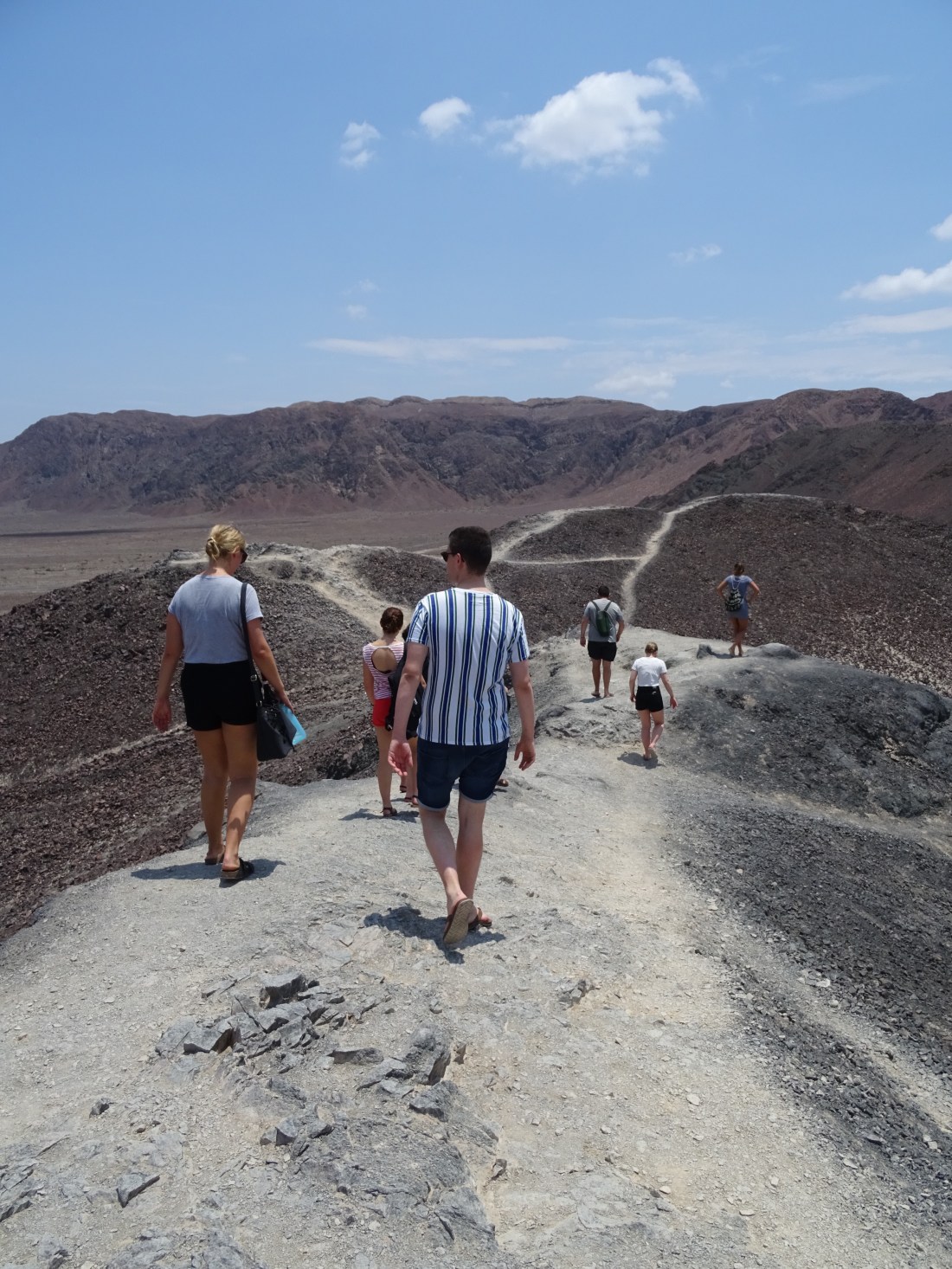
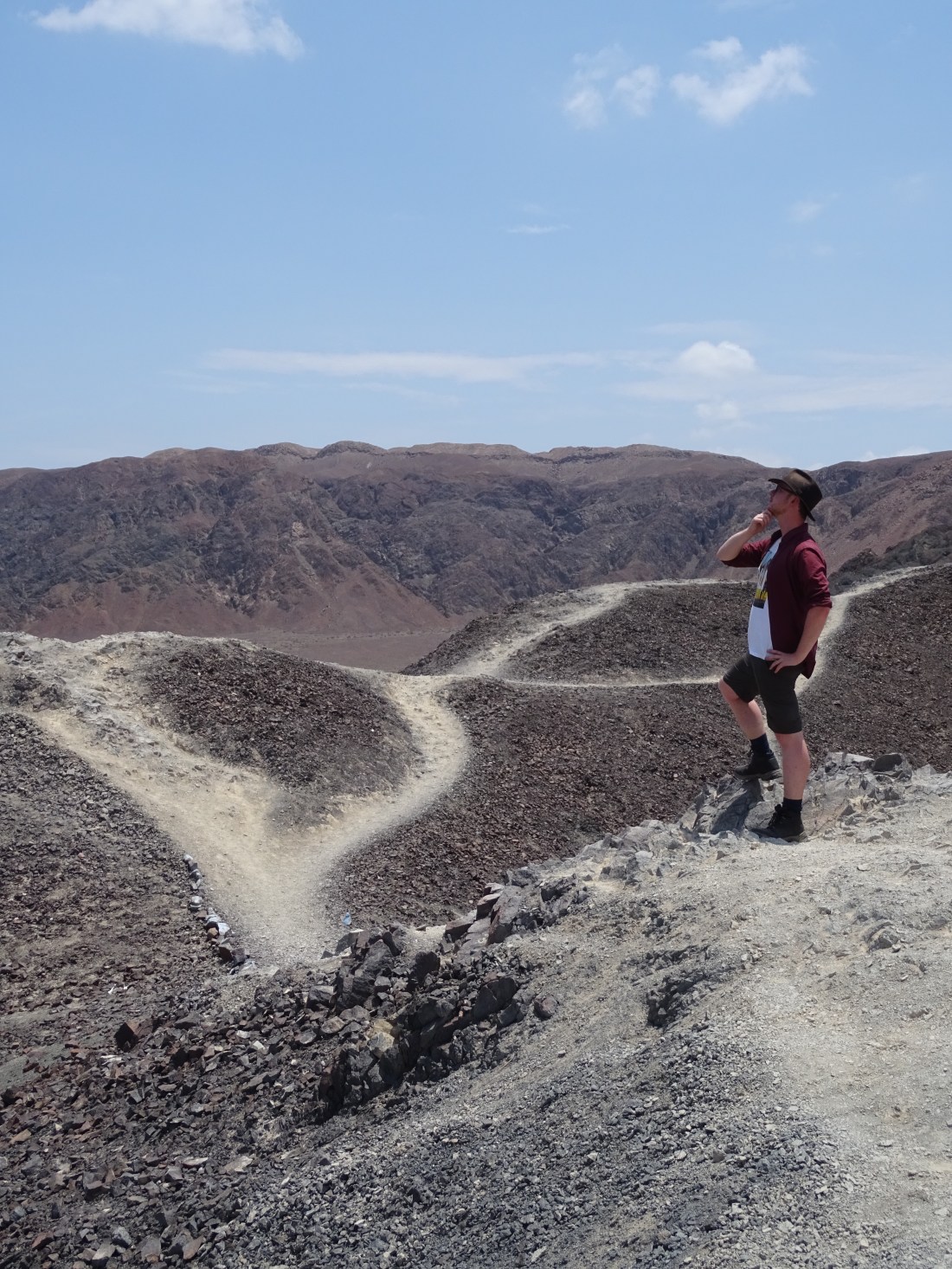
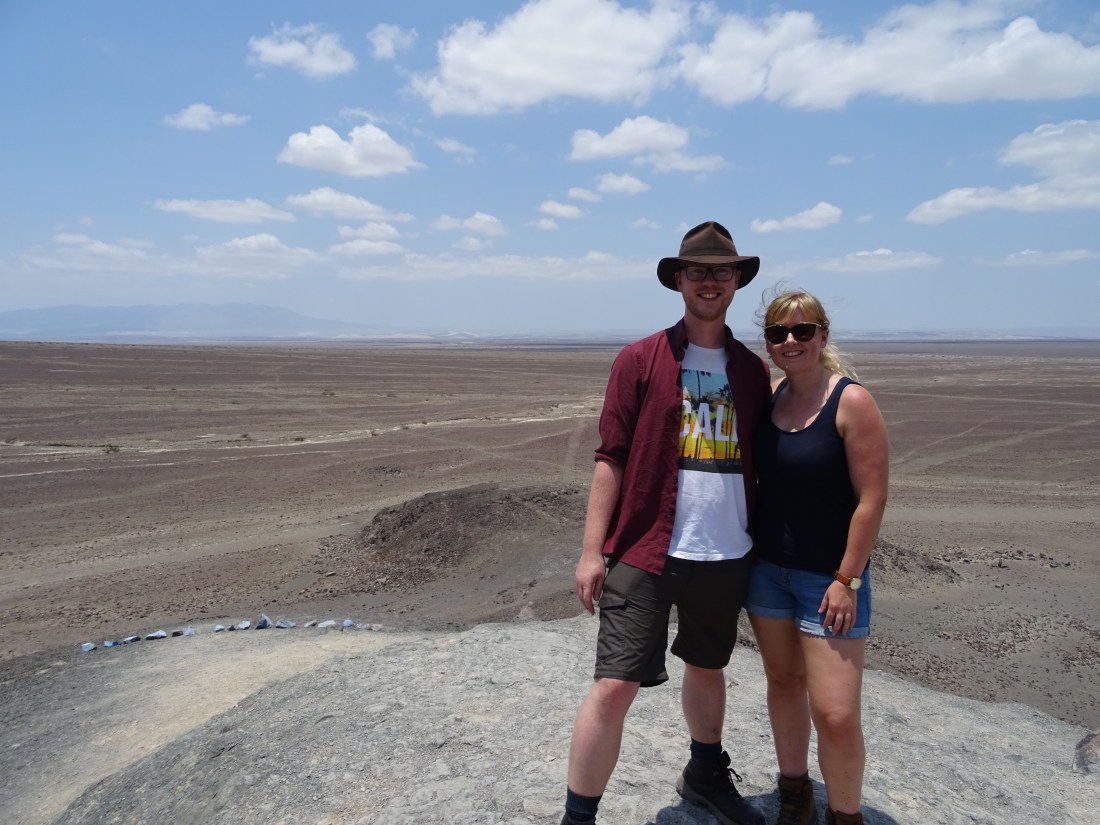
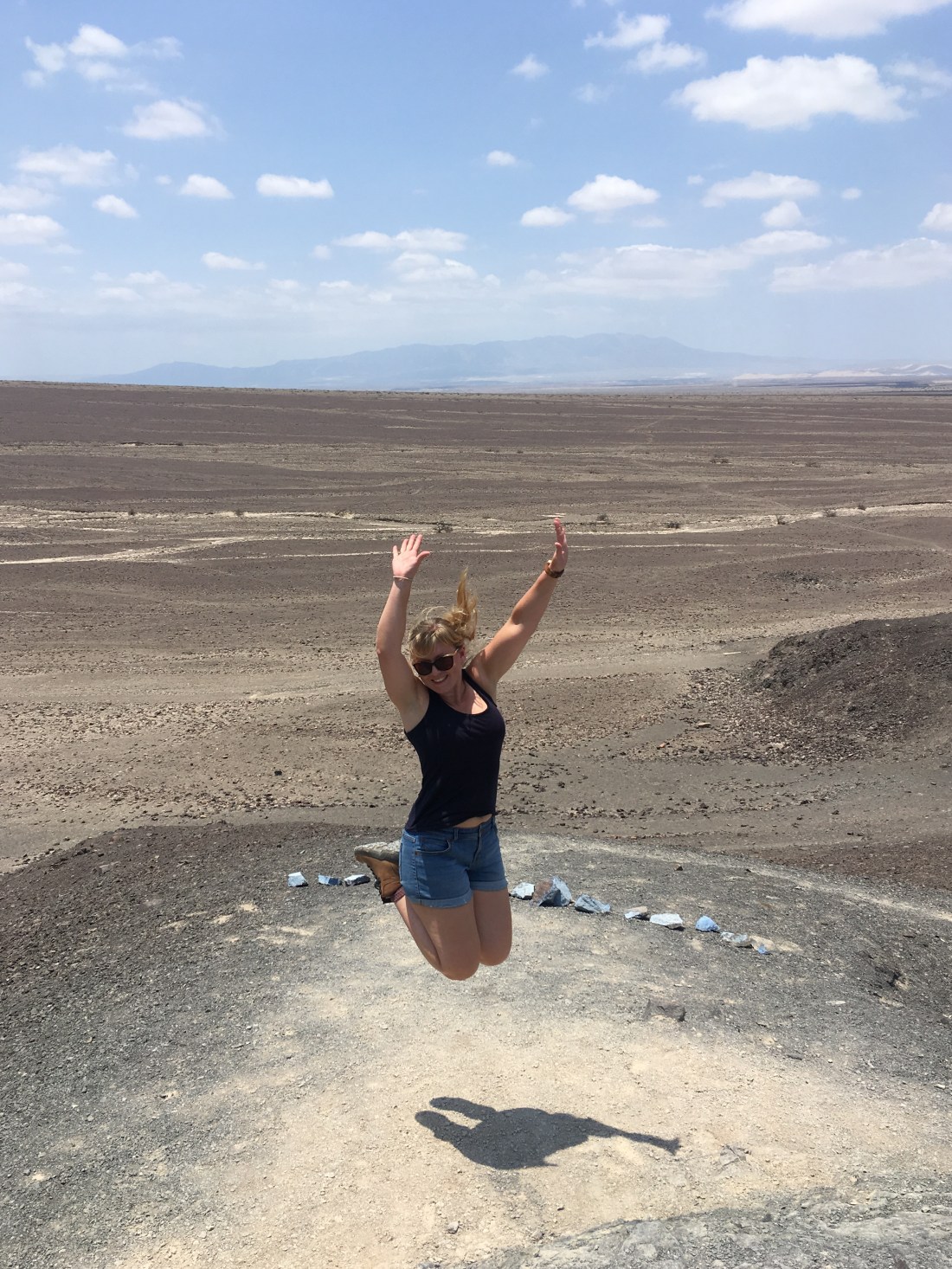
On the way back we stopped at another viewpoint to get an uninterrupted view of the desert and more of an explanation from our G Adventures CEO Jesus about the straight lines also stretching out in various directions. Jump shot obligatory!
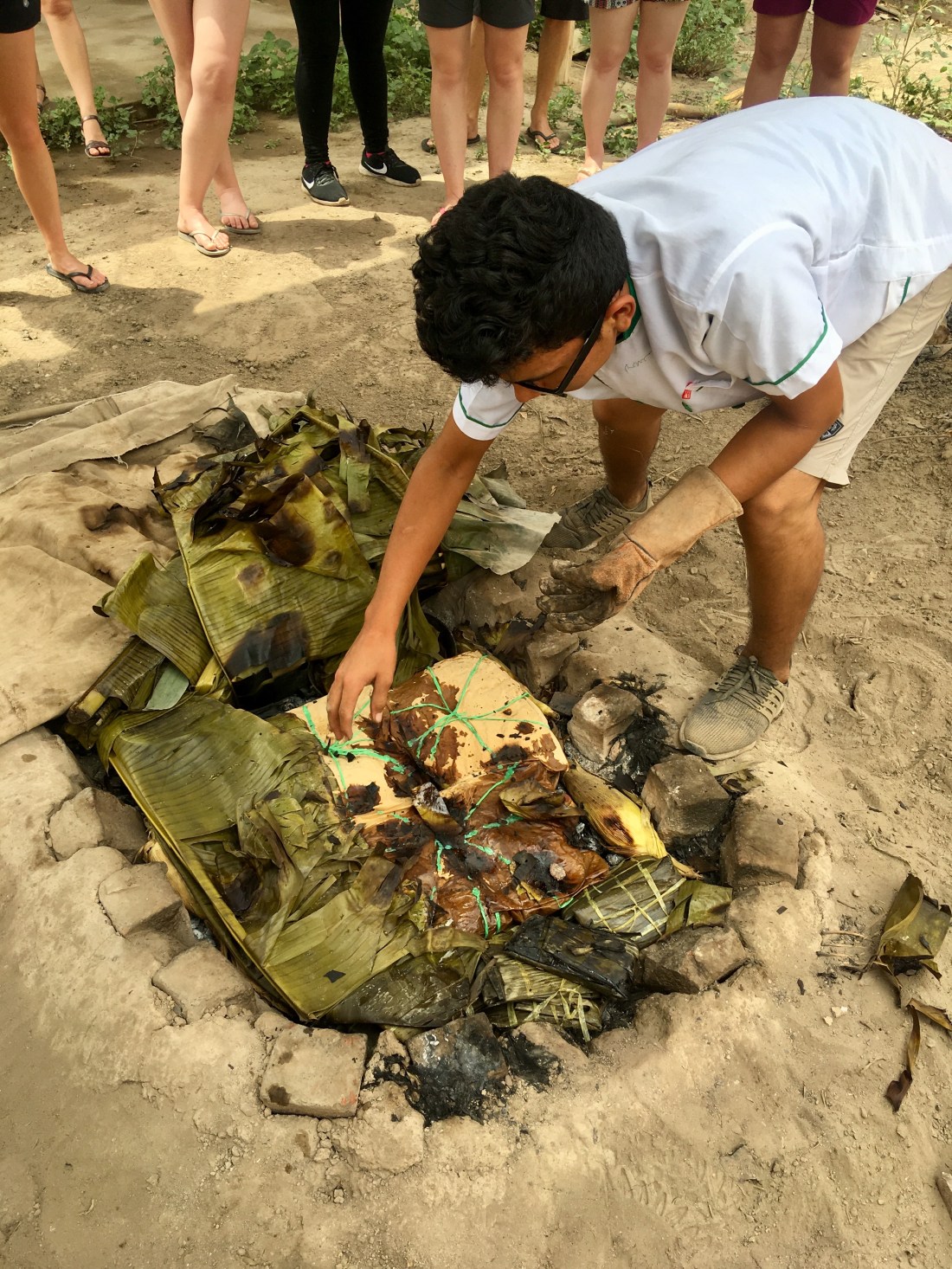
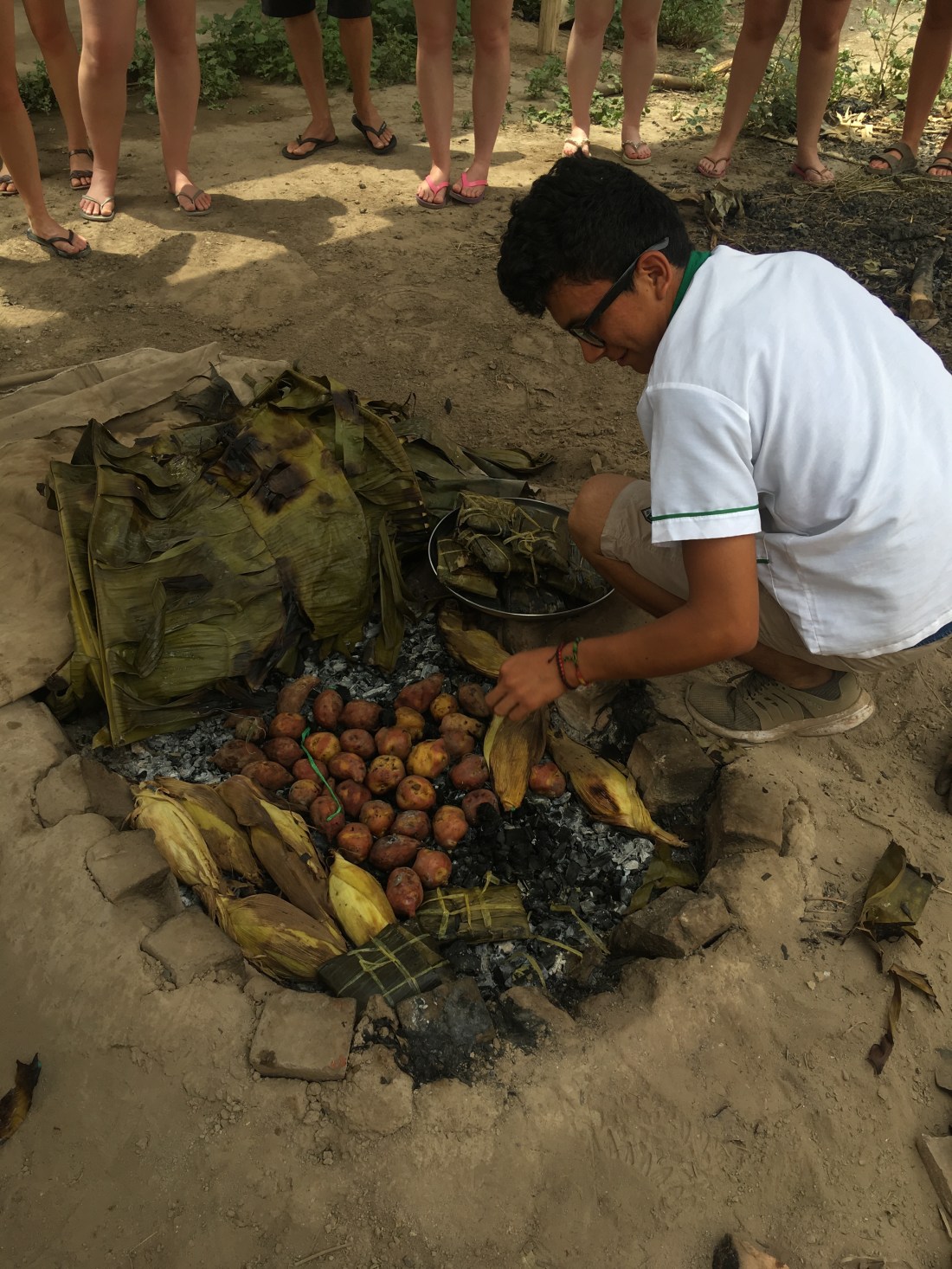
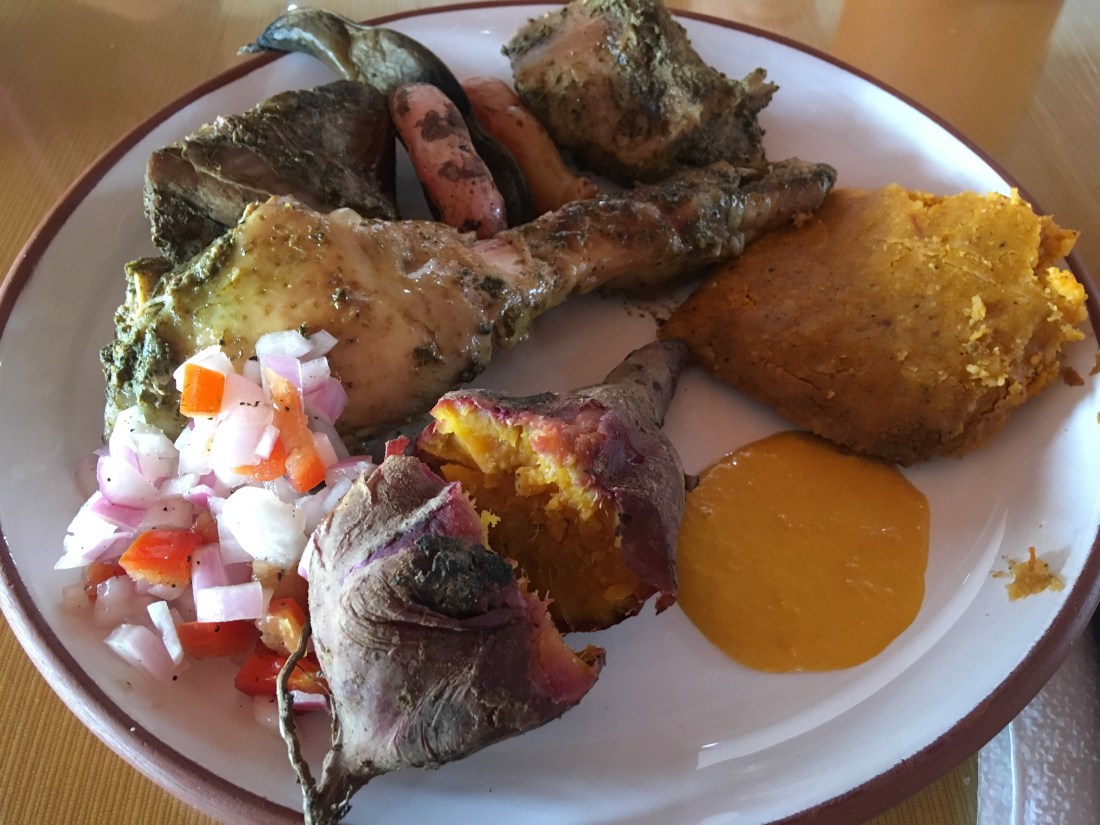
We returned to “El motel de Bates” to a brilliant surprise. Not so creepy in the day time, the staff at the hotel had prepared a traditional lunch for us called Pachamanca – pit cooked beef, chicken, pork, corn, and lima beans awaited us. The steaming packs of banana leaves were unearthed and we all hungrily tucked in.
Suitably stuffed, we had a little siesta before our afternoon trip to the Chauchilla Nazca cemetery. Our guide for this was Hilda and she was excellent. On the way she pointed out the new cactus and avocado plantations that had sprung up in the desert in the last few years. Hilda also pointed out what she is confident is the largest sand dune in the world. From a distance you would be forgiven for thinking that the mountain had snow and was catching the light in a certain way. Not so. This immense sand dune towered above Nazca and it is impossible not to feel humbled by it.
When we got to the cemetery Hilda explained that this was once a huge cemetery dating from around 1000 years ago. Centuries of grave robbers had strewn the bones of hundreds of bodies over the plateau and the white, fractured, and weathered remains gleamed in the sun. A macbre sight even for someone accustomed to seeing human remains.
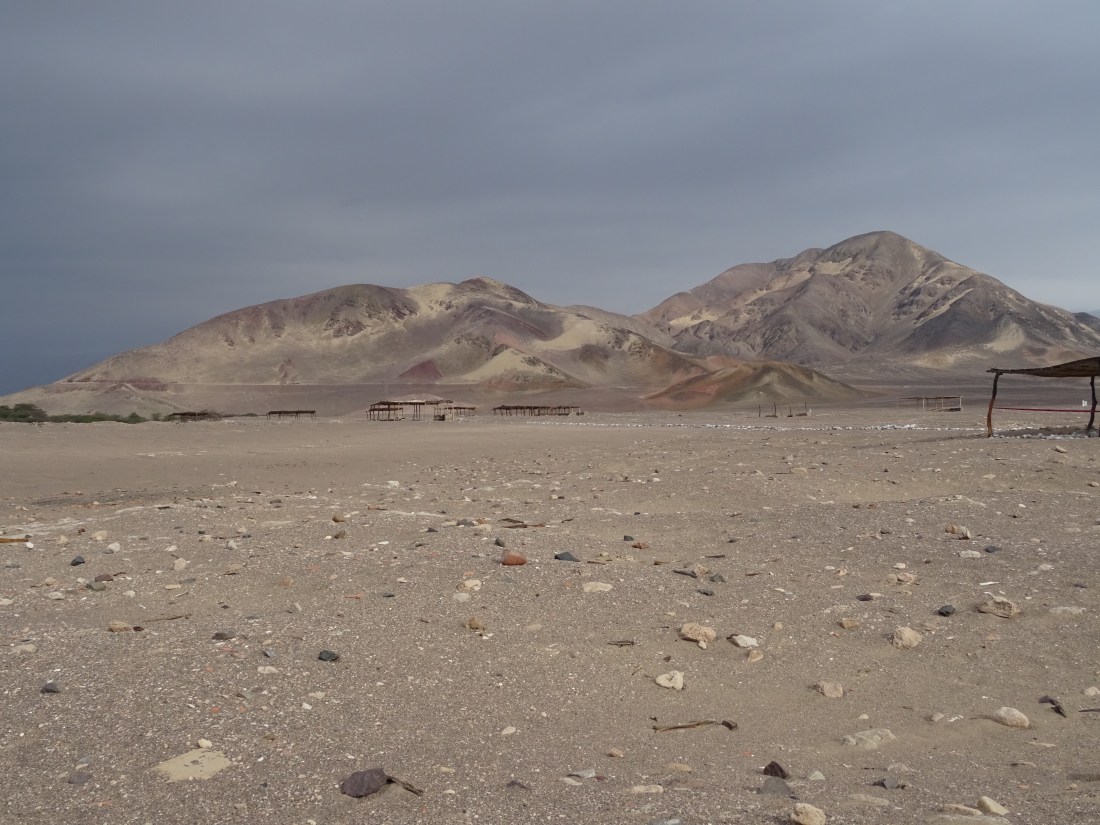
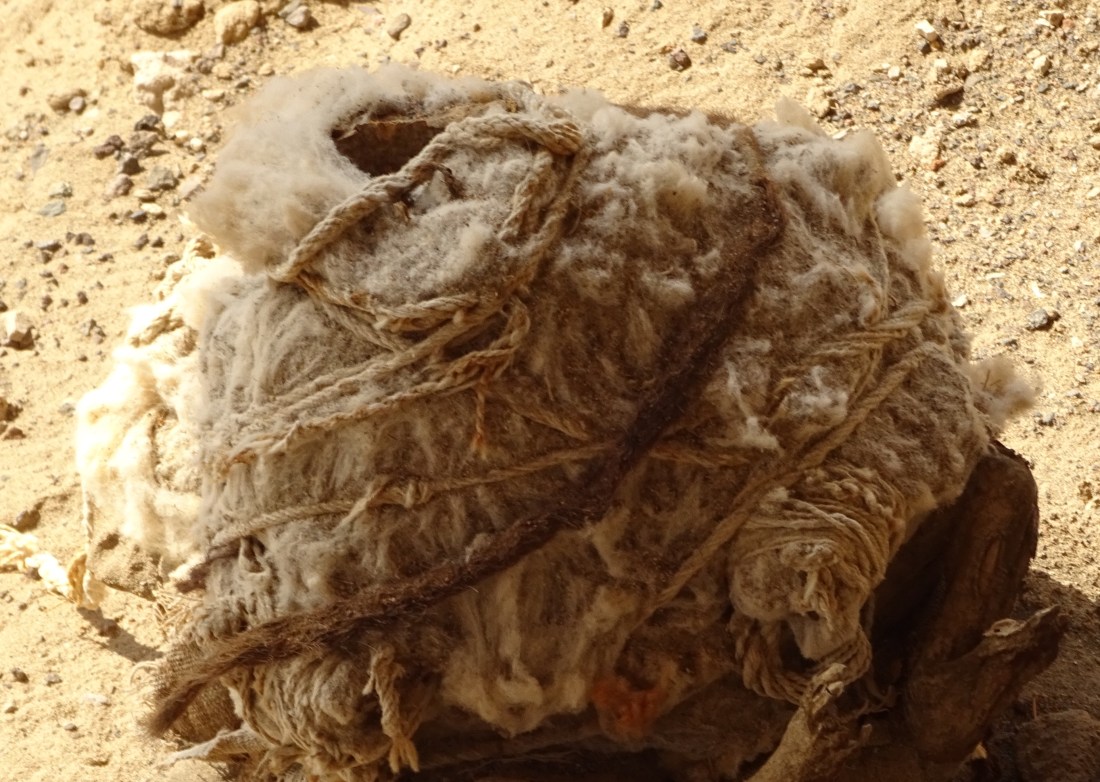
Hilda explained that the site was excavated by one archaeologist in 1996 from a university in Ica with a team of untrained workers. The excavations had revealed many tombs and Hilda relayed that people of high status were buried several meters below the ground whereas the lower status people were buried close to the surface, perhaps no more than one meter in depth. The preservation was better close to the surface as there was no moisture and the heat of the sun in the desert quickly dehydrated the bodies. All bodies were buried in a foetal position facing east and the rising sun. The bodies appeared to have gone through some process of mummification prior to burial and were interred in woven sacs with grave offerings, often covered in several layers of ponchos or cloth, like this young child.
Hilda explained that most of the graves had been robbed in antiquity, but that some information could be gleaned from the remains. Ged’s quick look at the remains from the graves showed that there was a mix of males and females of a range of ages (a few months old to maybe 50 years). Perhaps the most interesting aspect of the remains was that these people appeared to be very healthy when they died (apart from being dead!). The teeth showed no evidence of malnutrition, and apart from some minor joint disease, there didn’t appear to be any issues with the limbs of the people buried there. Ged asked Hilda if anyone had ever analysed the remains from the site and she said sadly no. The archaeologists had decided re-bury the majority of the remains unrecorded as there was no funding to investigate them and tourists had felt uneasy about so many remains being on show. Ged felt sad about the lost opportunity to learn more about the Nazca people but Hilda said that other sites had provided evidence of diet and indeed it seemed that they ate really well, well until some succesive major floods and then the Incas arrived….. The area is now protected and so perhaps there is a chance to investigate this amazing site further in the future.
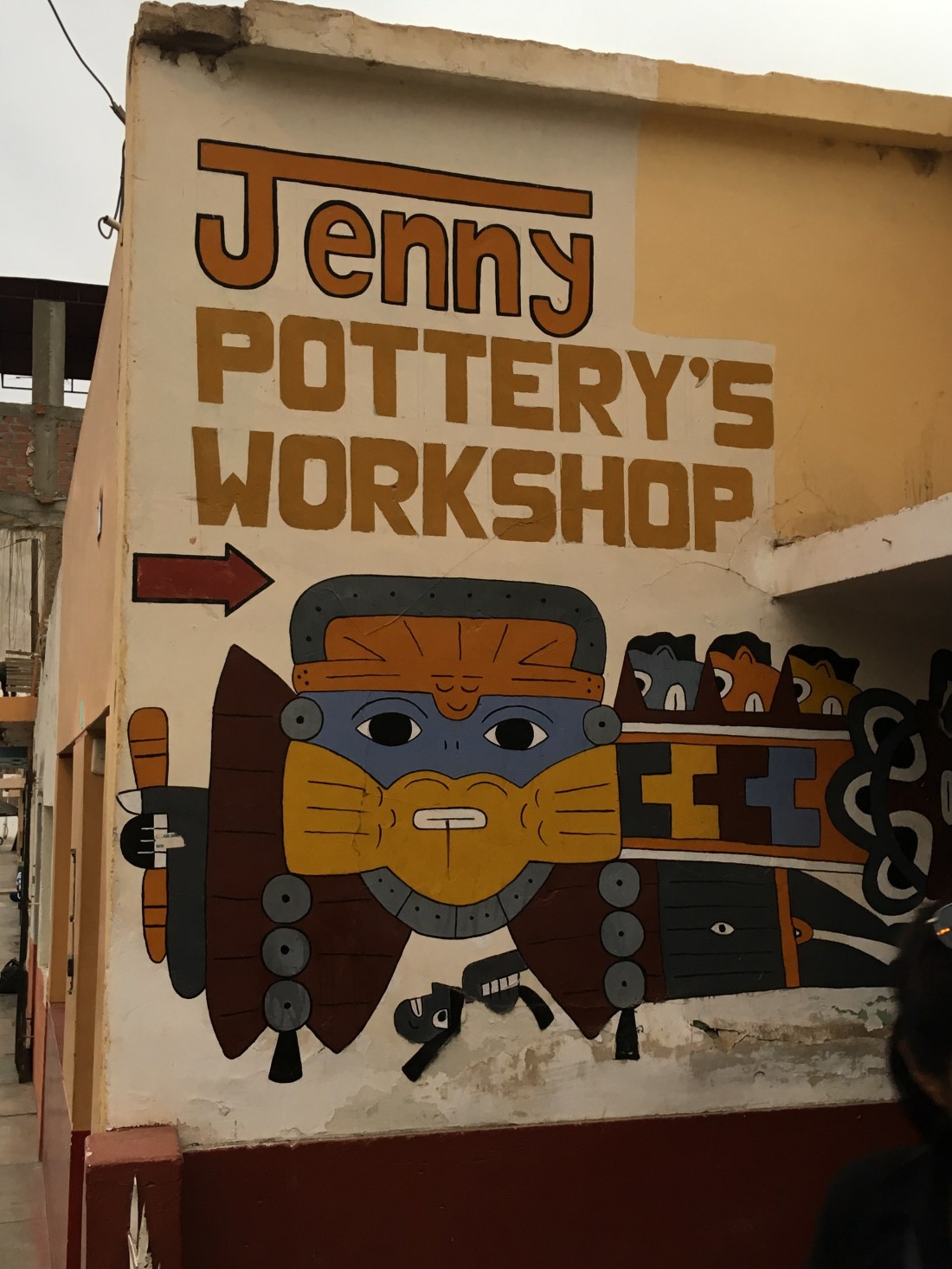
On the way back we visited Jenny’s pottery studio in Nazca city and were treated to a quick masterclass in traditional Nazca vessel making by Jenny herself.
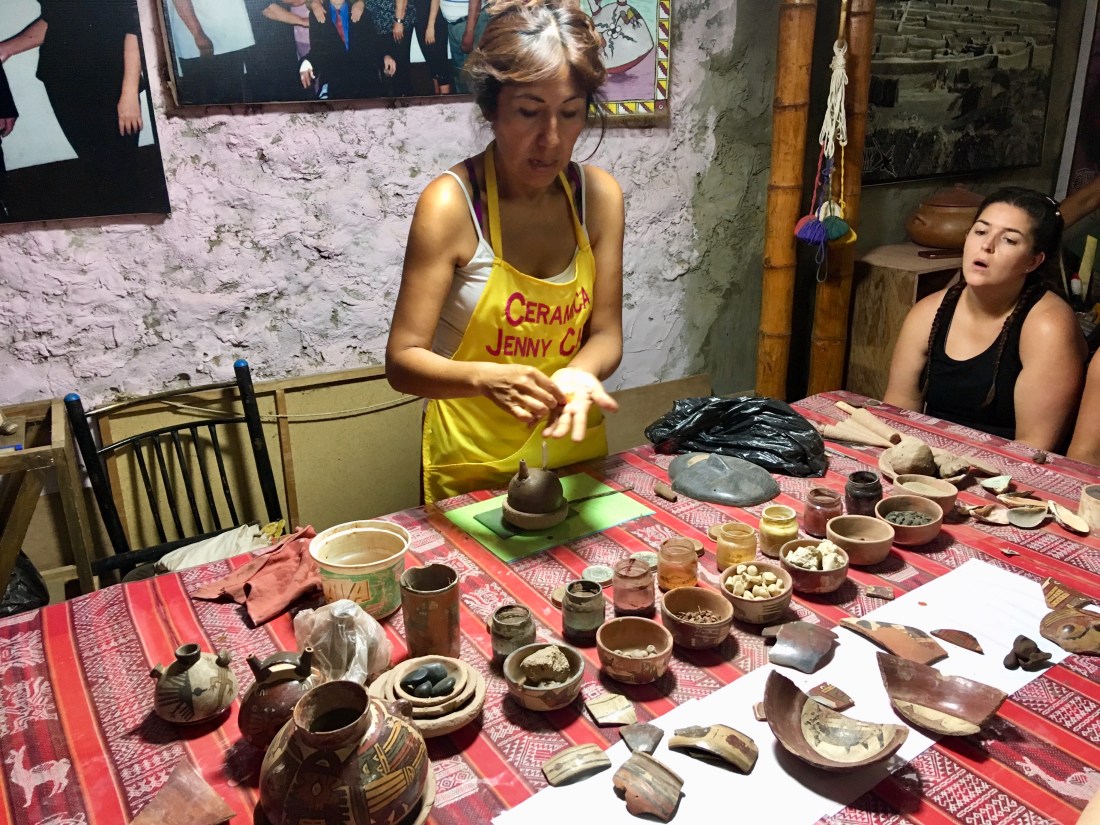
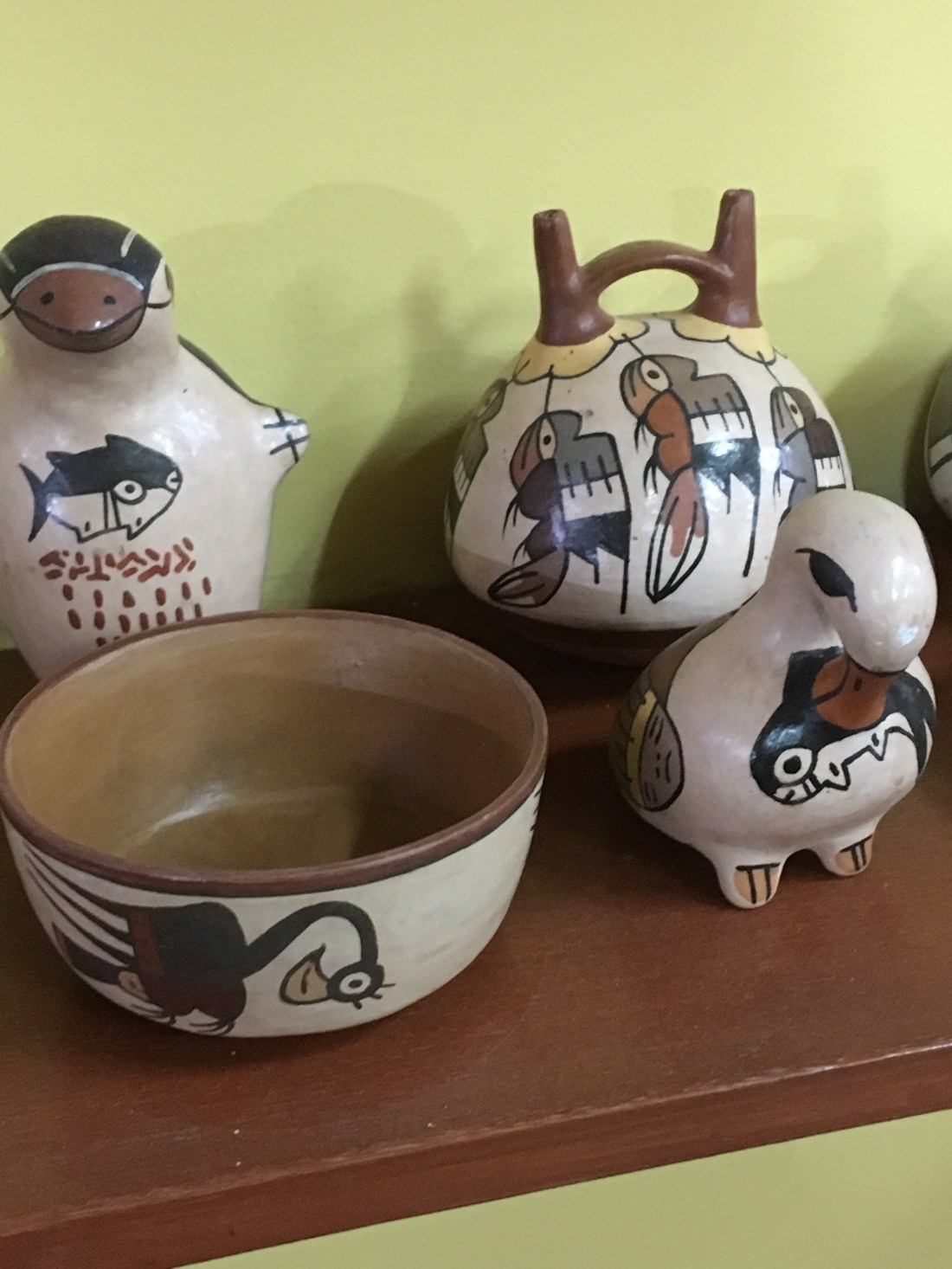
Jenny uses traditional methods for every aspect of the pottery she produces and makes excellent replicas of the ceramics recovered from the archaeological sites nearby. The pieces were beautiful and it was hard not to buy anything. We decided not to as it is unlikely we can get it back to the UK in one piece.
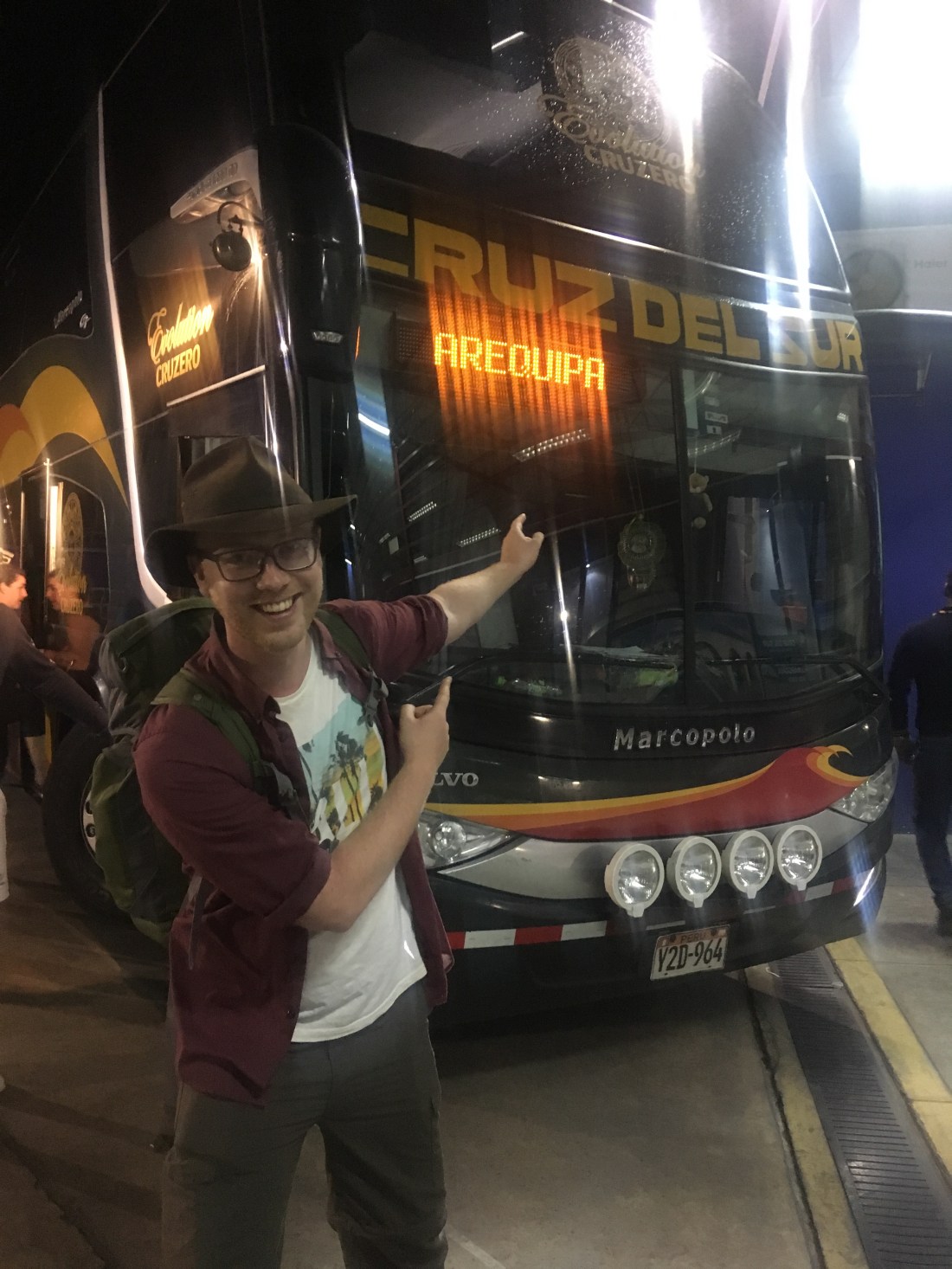
We grabbed our bags and headed into Nazca city to grab a bite to eat before boarding the overnight bus to Arequipa. No one looked forward to the ten hours of bus ride that awaited us and more than a few people had started to get concerned about altitude sickness. We were to travel nearly 2000 meters more above sea level overnight.
On day 4 a bleary eyed Ged woke to find he was still on the bus and sunlight was seeping through a gap in the curtains. At about 6am He pulled back the curtain and discovered that he had in fact awoken on Mars. Rach slept away as Ged looked at the arid red landscape of boulders and hills that was transected by the winding road. In the distance a volcano rose from the horizon dusted in snow. We were perhaps an hour away from Arequipa and wow was the scenary different from anything else we’d seen in Peru.
Our hotel was near to the main square of Arequipa but it wasn’t ready for us when we arrived. We stored the bags and most of the group followed our main guide Jesus out for a quick tour of the city. Arequipa is Peru’s second most populous city with around 2 million people within the wider city limits. The architecture in the central part of the town is very European and the Spanish influence is obvious. The city isn’t too busy and there are lots of little cafes and restaurants lining the streets that trickle away from the main square.
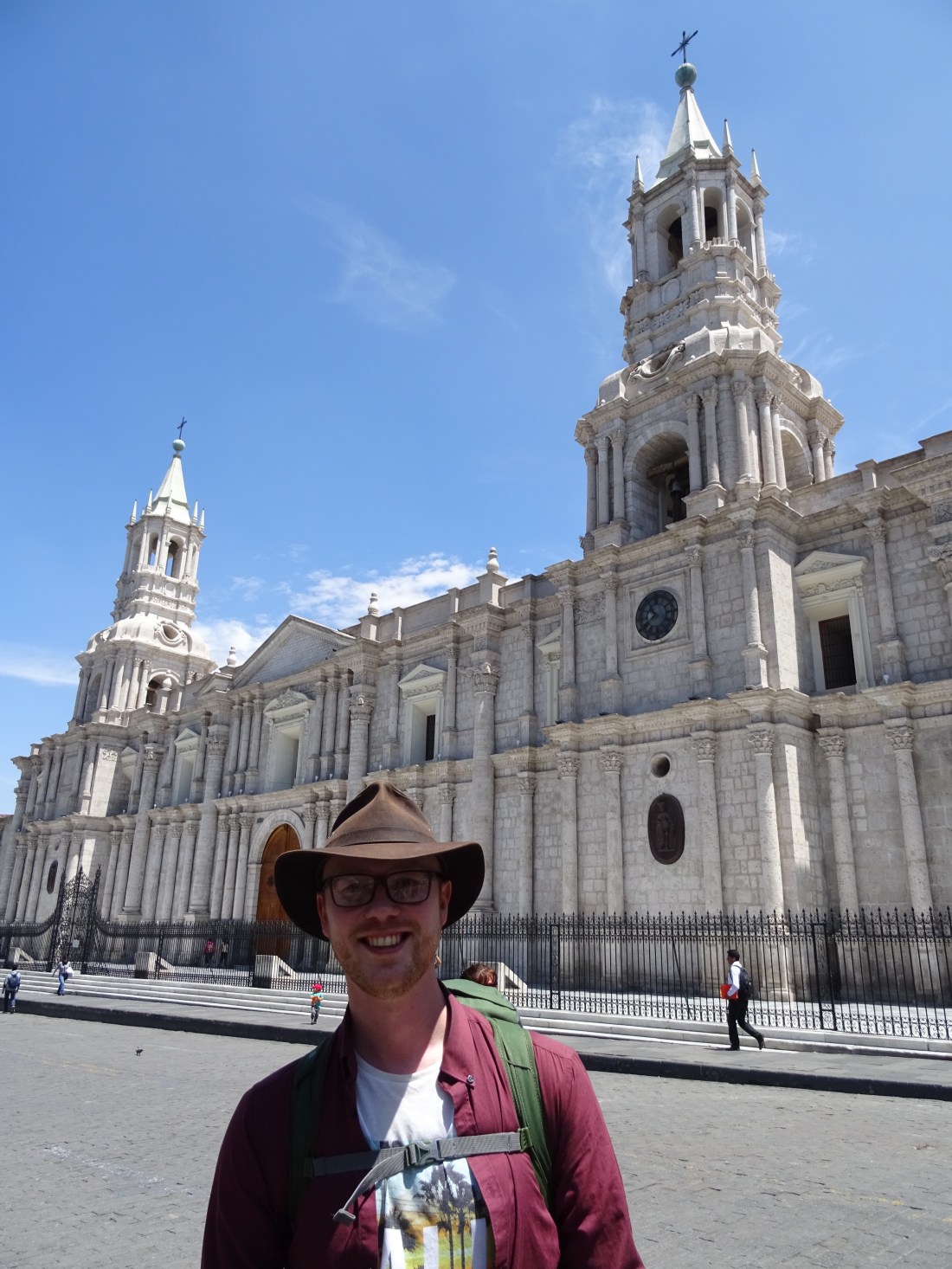
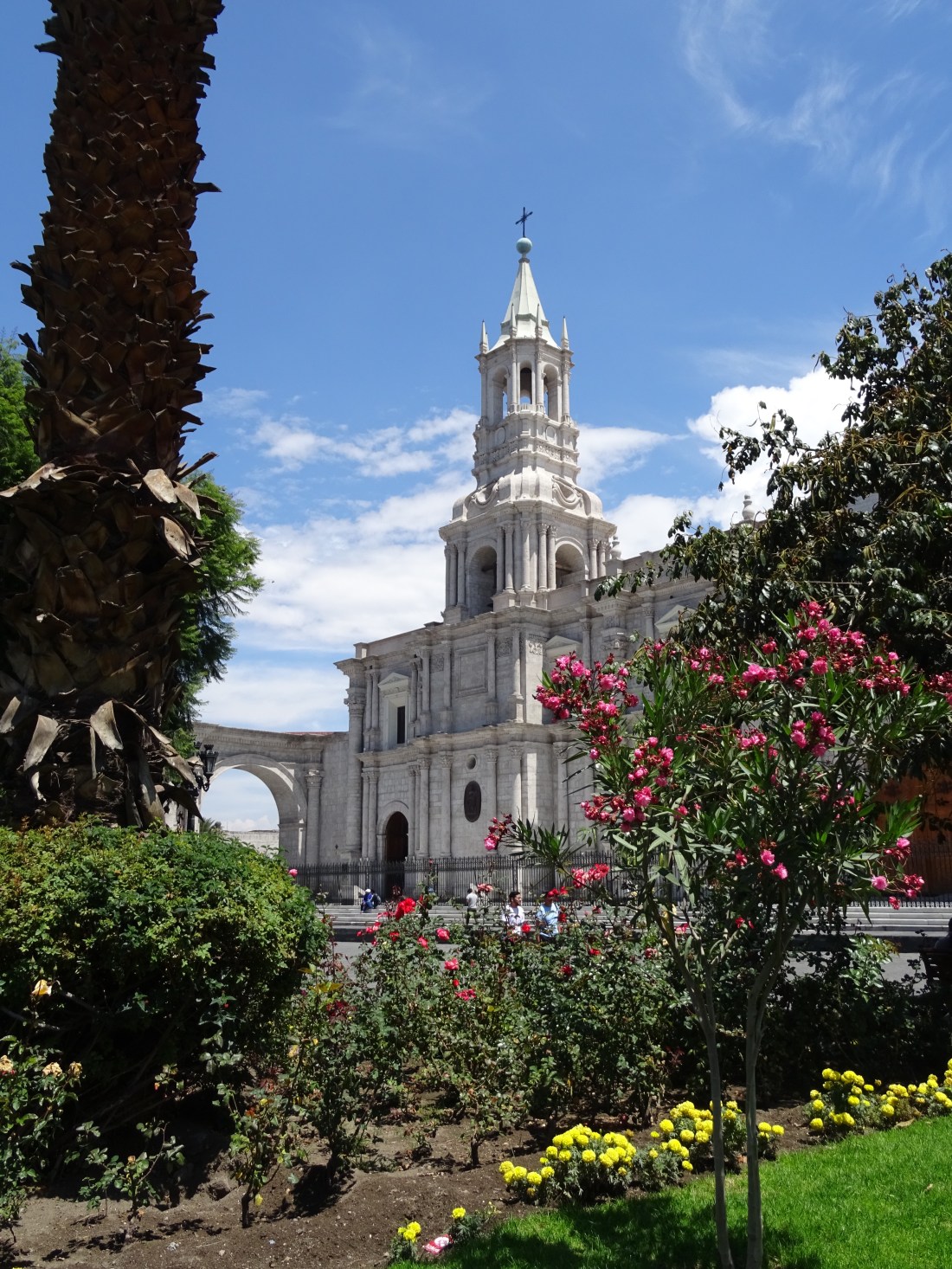
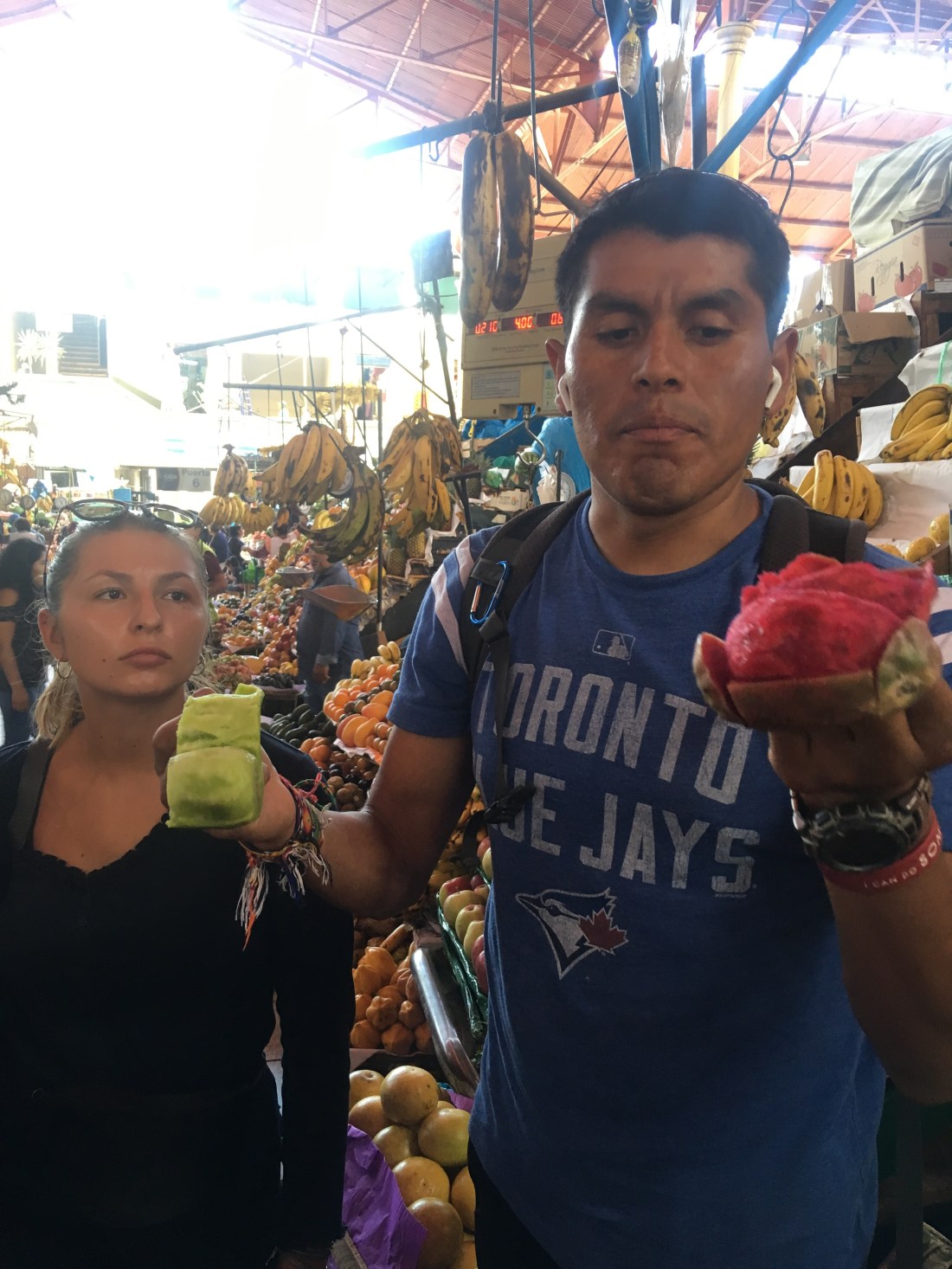
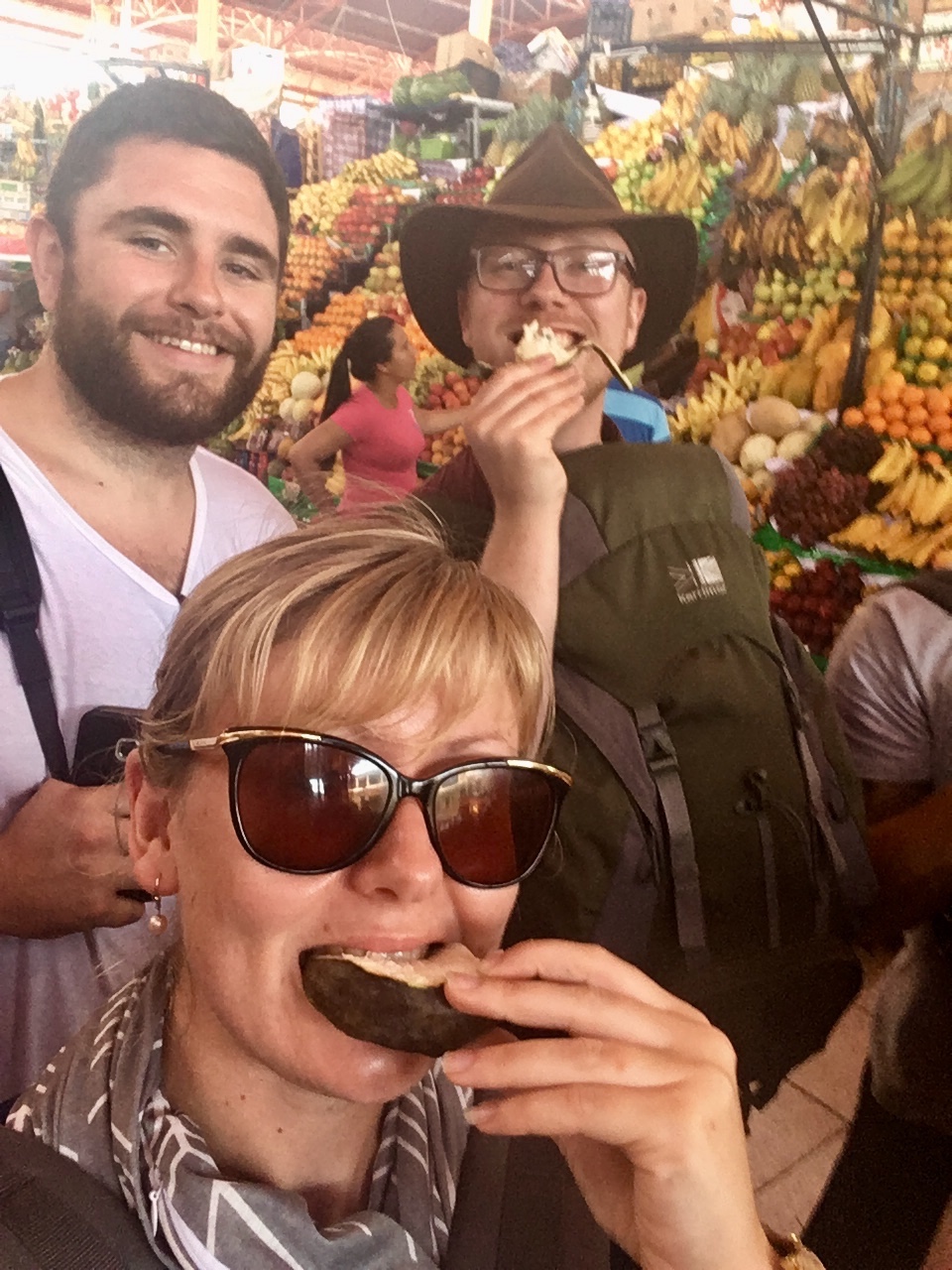
After a quick look at the Cathedral (above) and a coffee, Jesus led us to the local market. Every type of food stuff you could think of could be found there. Jesus knew one of the fruit vendors and treated us to a tasting of the fruits grown in Peru that we might not have tried before. We have no idea how to pronounce most of the names of the fruits, but each mouthful was either delicious or surprising, and occasionally both.
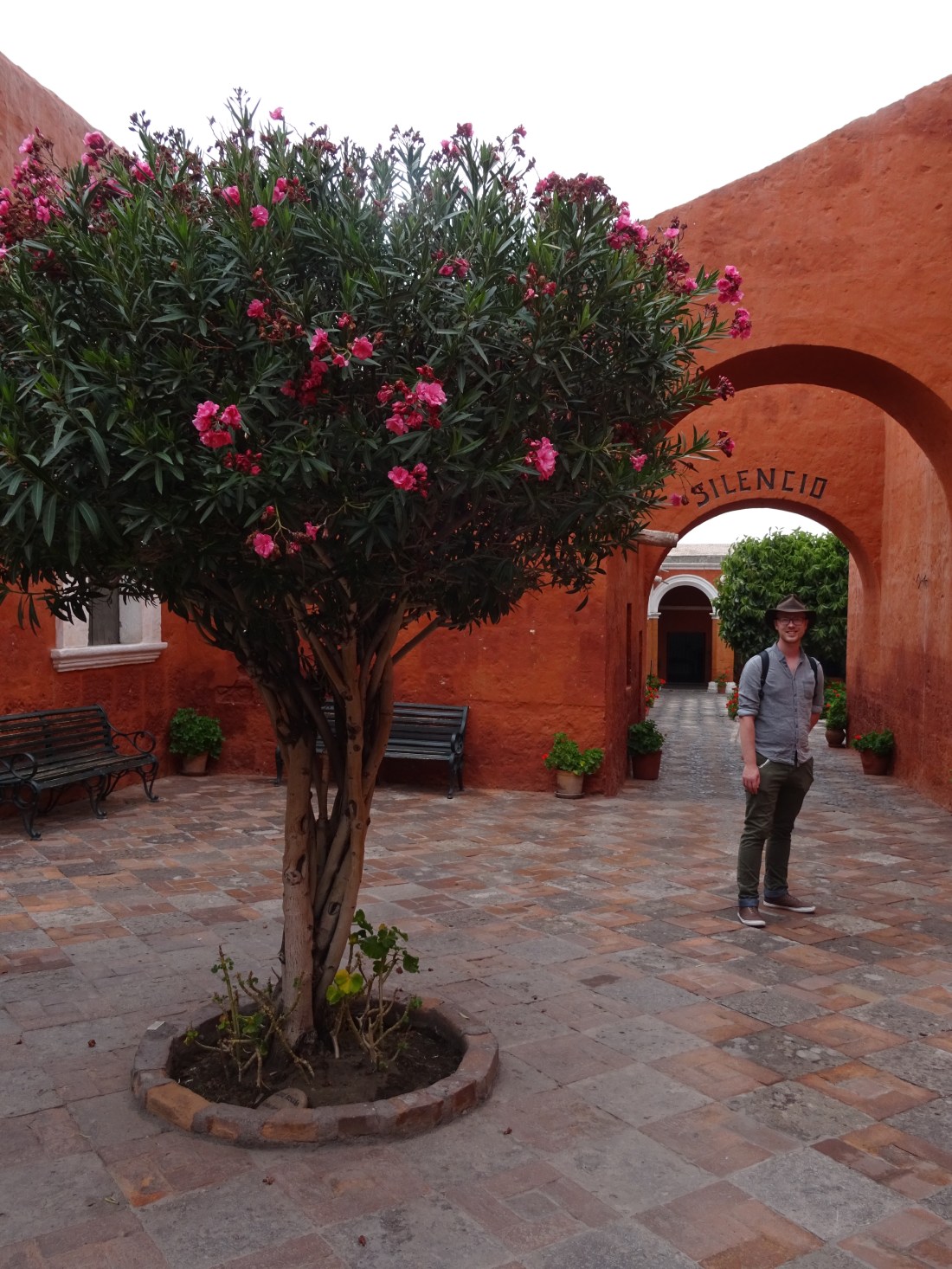
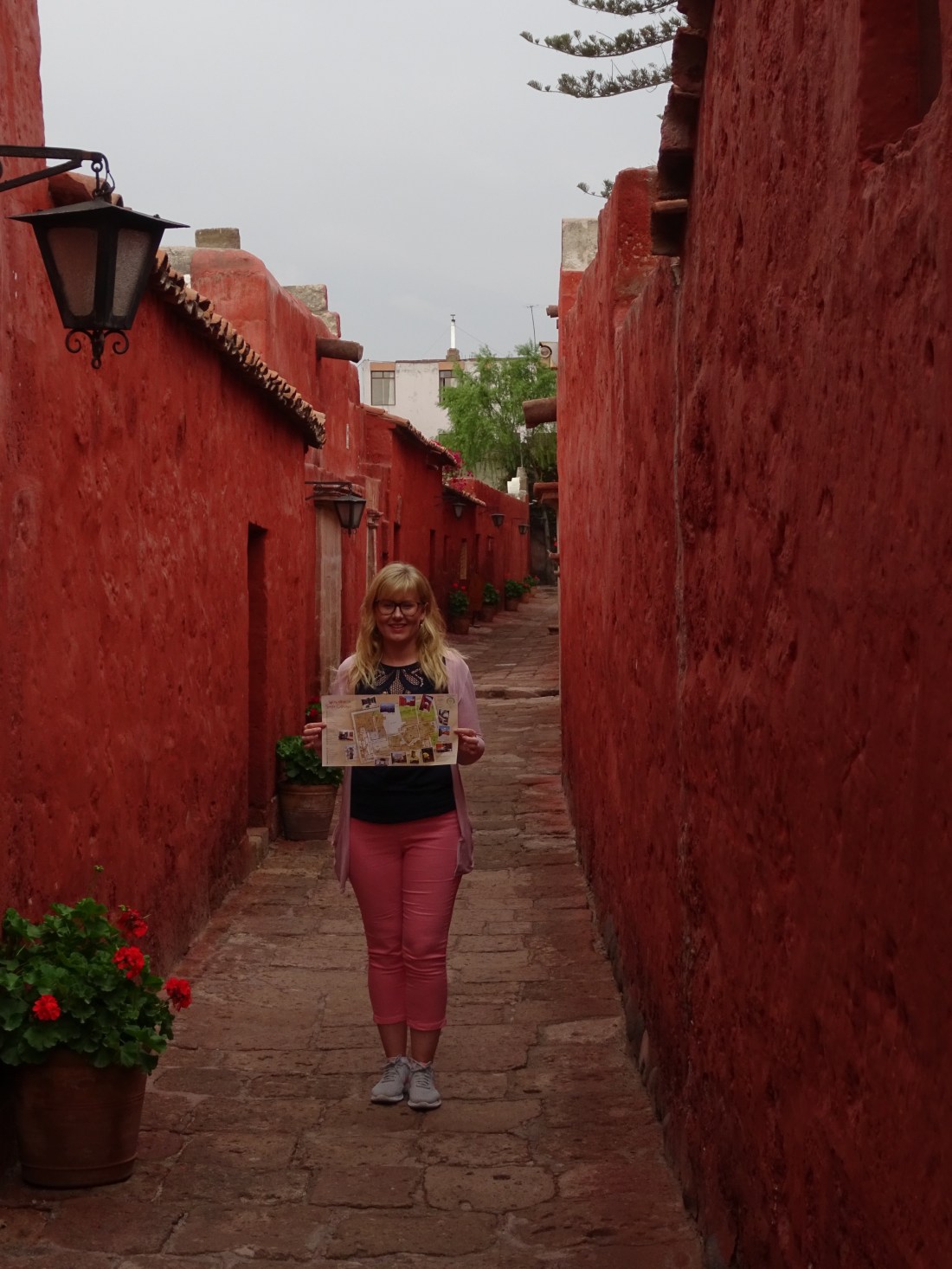
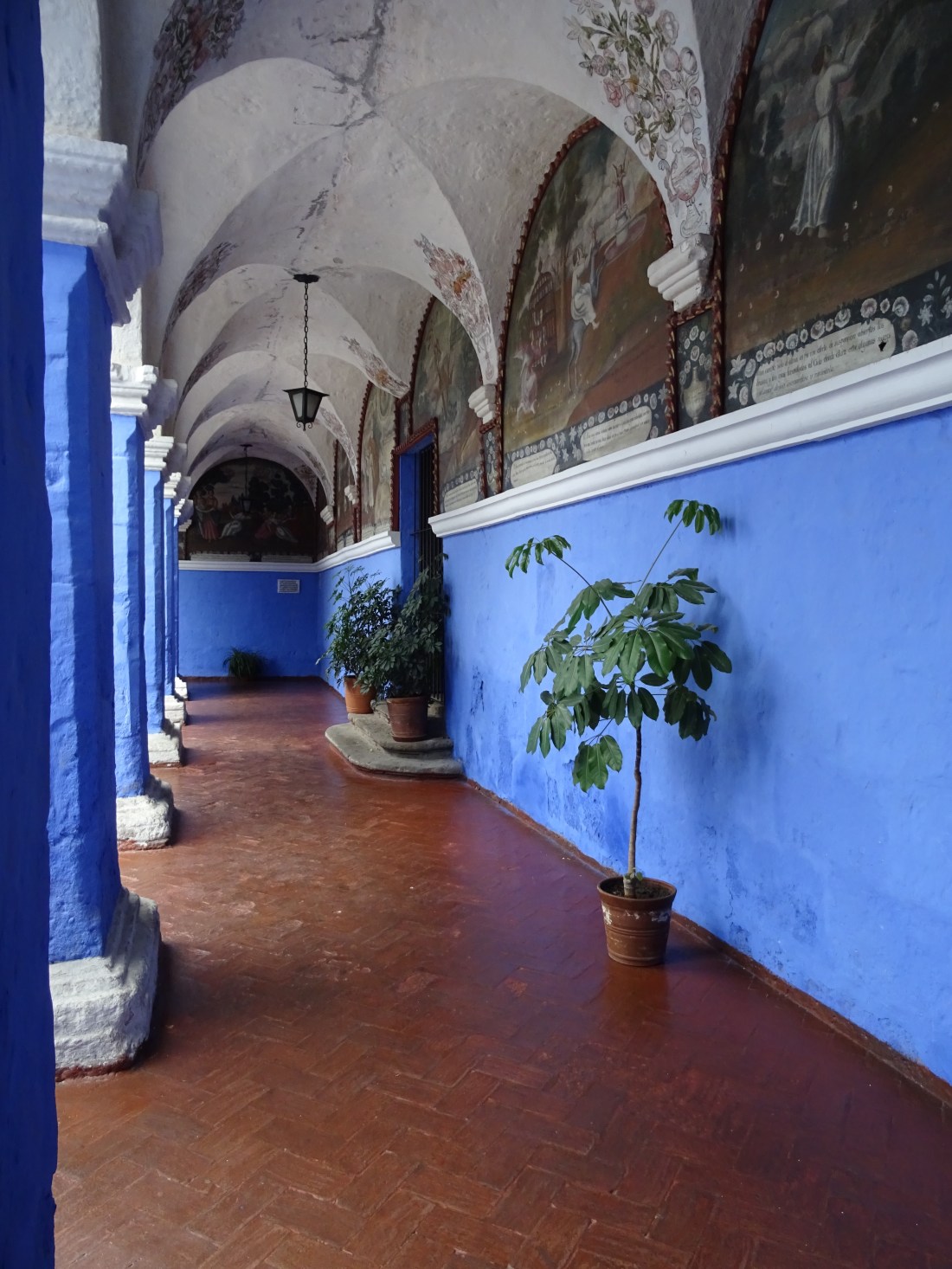
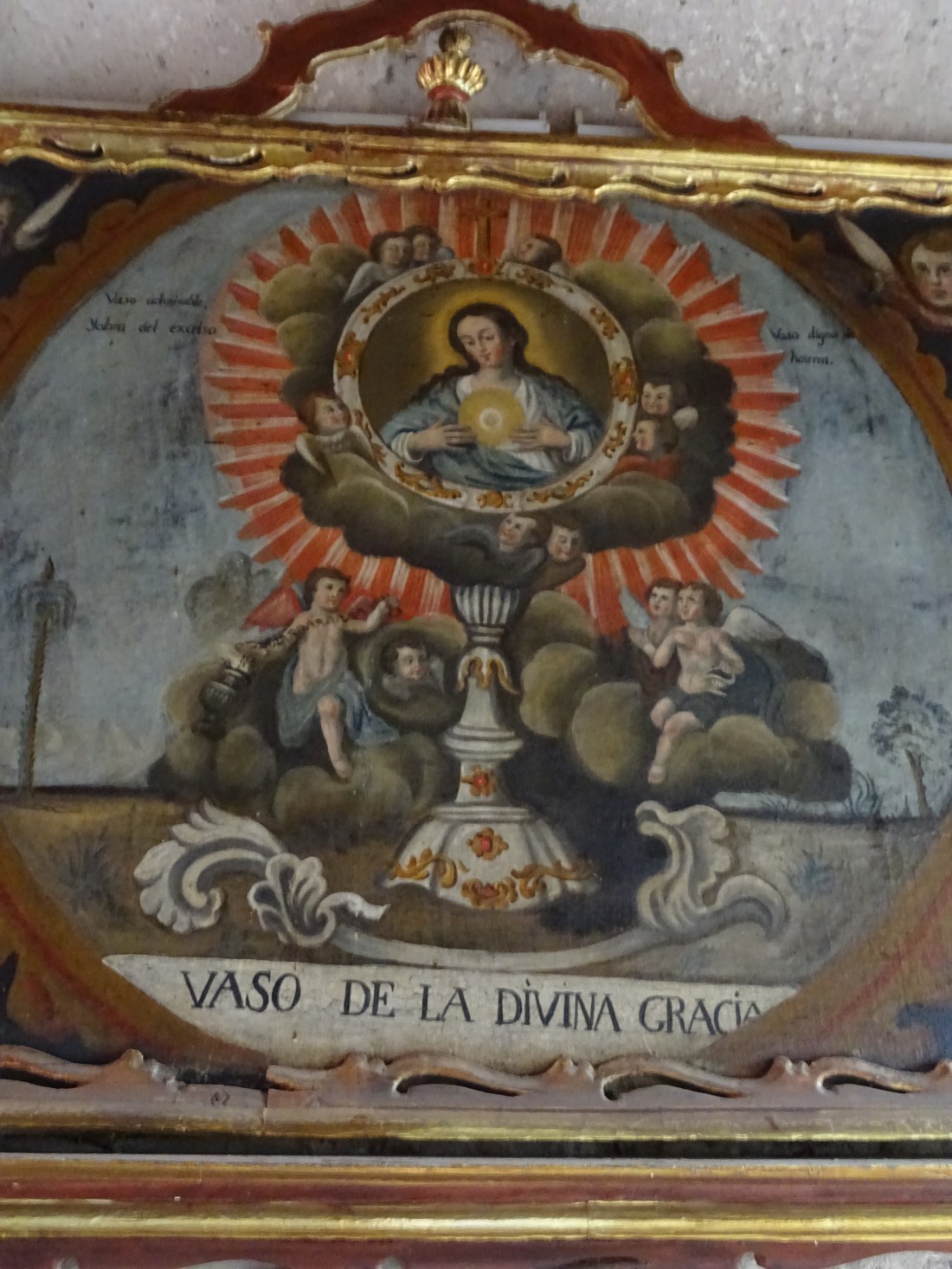
Our room was ready about 2pm and we got a much needed shower (we’d been in the same clothes for 30 hours at this point). Ready once more to sightsee we went to the convent of Santa Catalina which is one of the main attractions of Arequipa. This beautiful convent, founded in the 17th century, is still the home of nuns and we learned a lot about life inside the convent and how the nuns communicated with the outside world. This place is very peaceful and it is easy to see how someone could live a truly spiritual life walking the streets and cloisters of this village within a city.
Near to the convent and the main square is the musuem of “Juanita.” This small but excellent museum houses the remains and artefacts from the four ice mummy children found on the mountains near to Arequipa. The four children were sacrificed in separste ceremonies around 500 years ago during the Inca period. The Capacocha ceremony starts with the selection of a “perfect” child from within the empire. The child is then taken by a priest to Cusco to prepare physically and mentally for the journey and eventual sacrifice. In Juanita’s case, she was walked to near the top of Mount Ampato where she was given an intoxicating drink before being hit on the side of the head. A blow that killed her. She was buried with fine garments, figurines of silver and gold, and placed in a shallow grave with offerings food and pottery. Her body must have frozen within hours of her death and burial and there she lay until her discovery in the 1990s. Juanita’s frozen remains are on display in the museum and the tour we received was both informative and sensitive to the life of the little girl sacrificed on the mountain.
We rejoined our group at the hotel for a couple of beers and a catch up about what we’d all seen. Eventually Jesus led us out into the night to a local restaurant. It only served potatoes!! Every dish on the menu was a topping on a selection of potatoes grown in Peru. It turns out the spuds we have are rather boring in the UK and Ged’s meal of alpacca steak on a selection of potatoes was delicious. We had an 8am start the next day so it was early to bed with us before we were tempted to enjoy any more beer.
Day 6 and we were up early to begin our journey into the Colca Valley and eventually to Colca Canyon. A few hours into our trip and we were off the bus snapping pics of llamas, alpacas and vicuña and learning the difference!)
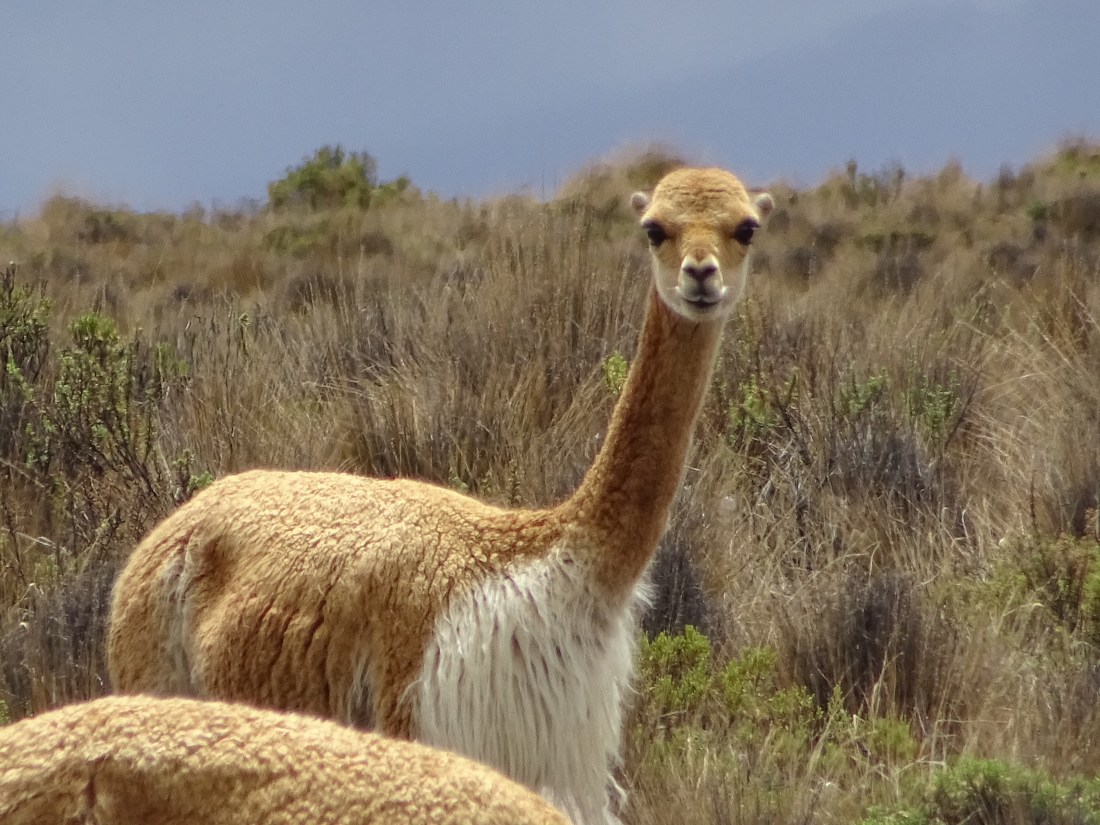
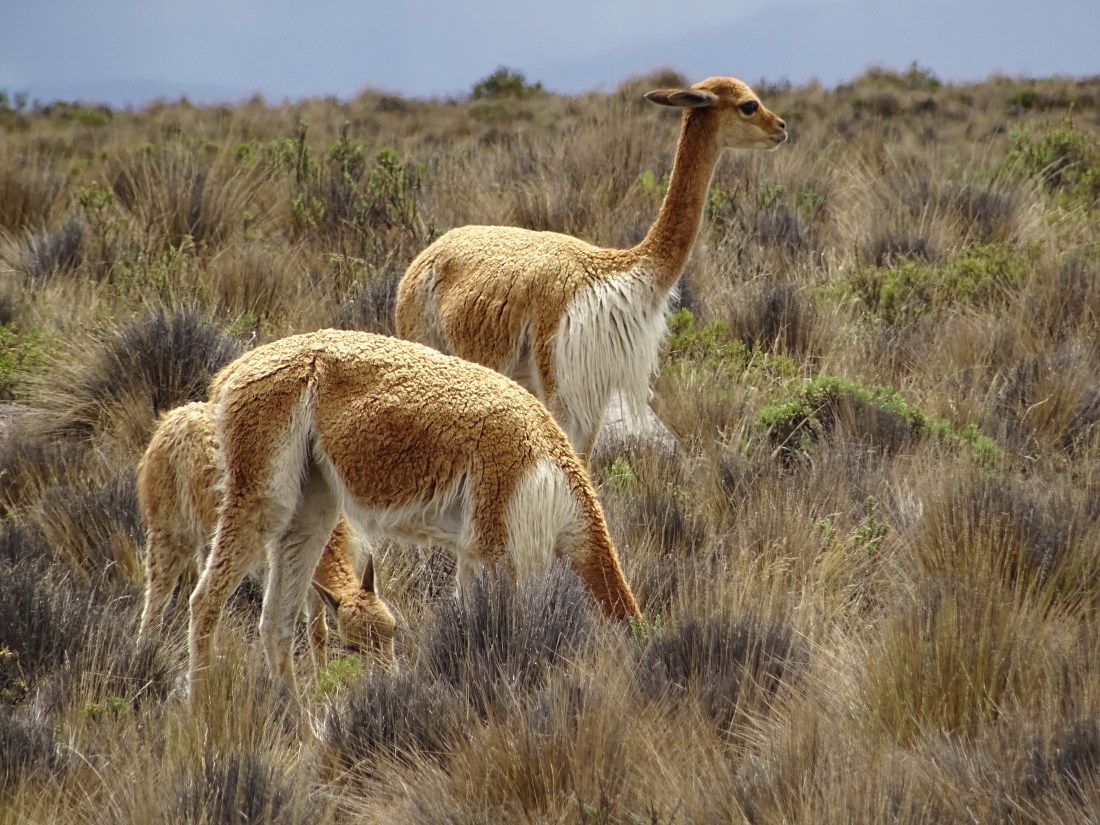
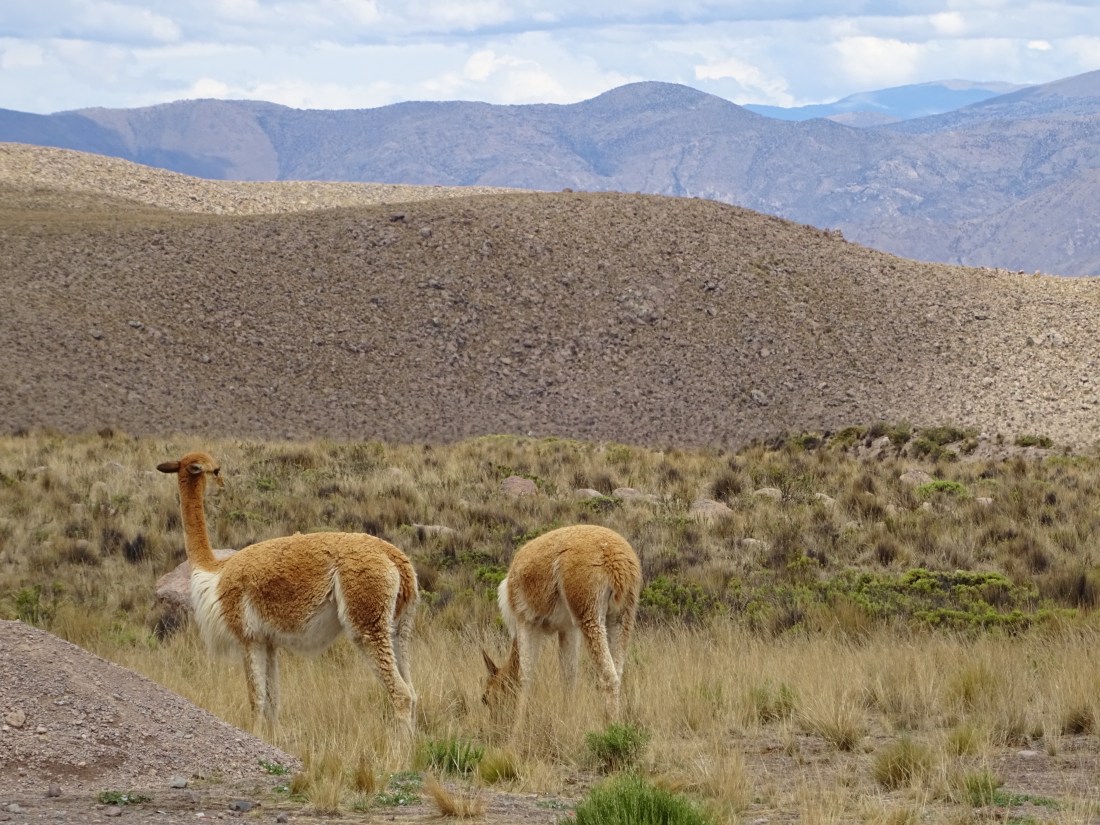
The vicuñas were becoming extinct only a few years ago until a law was introduced to protect them – anyone poaching one will now be imprisoned for 4 years. Their wool is so exquisite that a scarf will come in around $1000-2000!
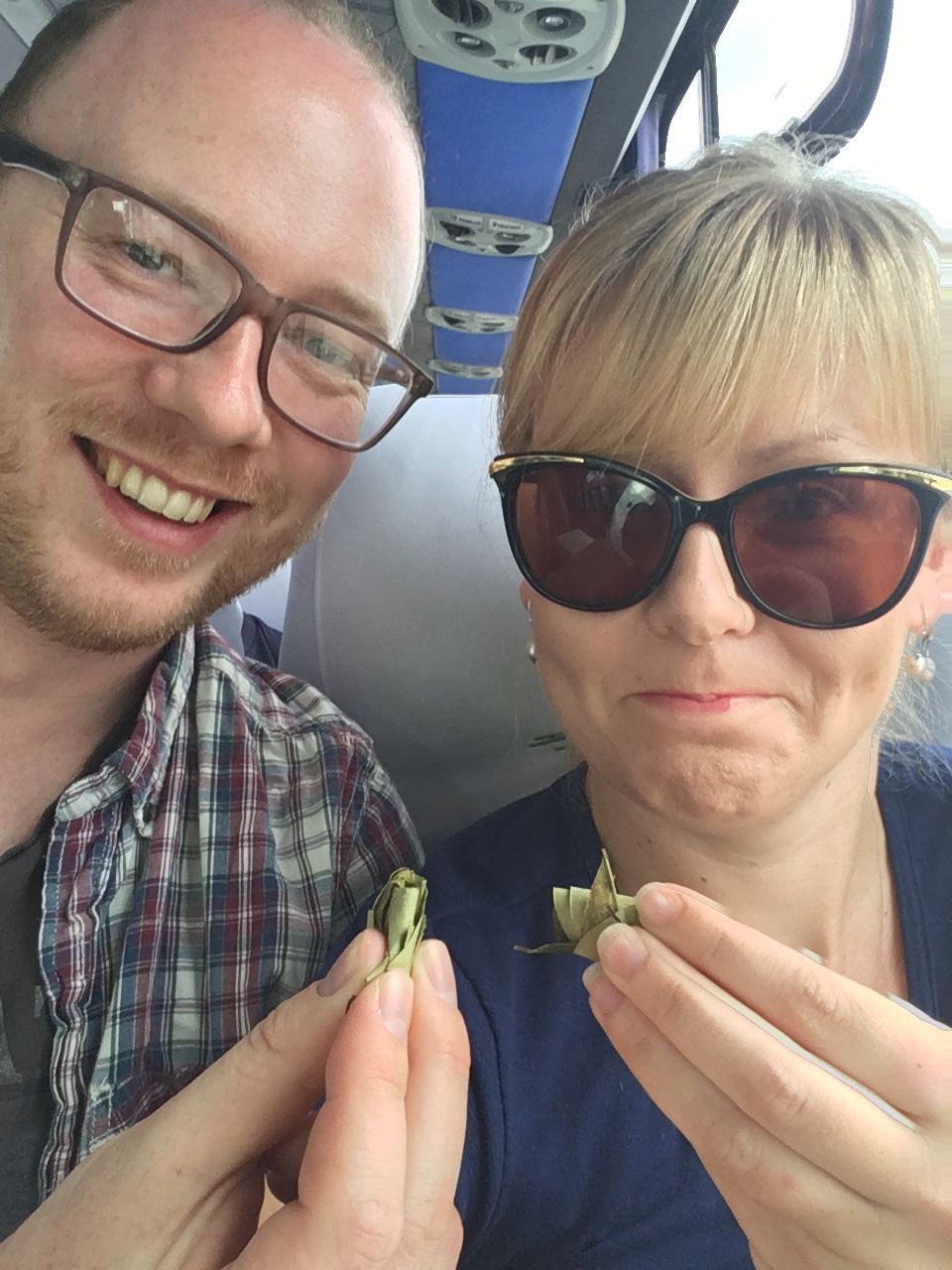
As we were journeying through the valley we were also being taught by our guide for these two days, Lucy, about coca leaves which work wonders for altitude sickness. Since leaving Lima we had now ascended almost 3500 metres above sea level so it was time to put them to the test. We rolled 6 leaves around a small piece of ‘stone’ (banana skin, mint and sugar pressed together, which activates the ingredient in the leaves further and makes it taste much better!) and chewed for about 15 mins. We were happy to report no sickness or signs of altitude aversion, despite not taking the altitude sickness pills most people on the trip had stocked up on!
The landscape here is littered with volcanoes and earthquakes are common. Misti volcano (pictured below) is the emblem of Arequipa, towering behind the city at 5800m, joined by other mini-monsters like Cha Chani volcano at 6017m, and Sabancaya, which last erupted in 1991 destroying 60% of the Maca town population in the valley.
The people here though have made the most of living close to the ferocity of Mother Earth (‘pachamama’) – Arequipa is known as the ‘white city’, whose beautiful buildings including its impressive cathedral as per the earlier photo, reputedly the second biggest in South America, is built from this pyroclastic rock called ‘sillar’ formed of the volcanic ash from these dominating volcanoes.
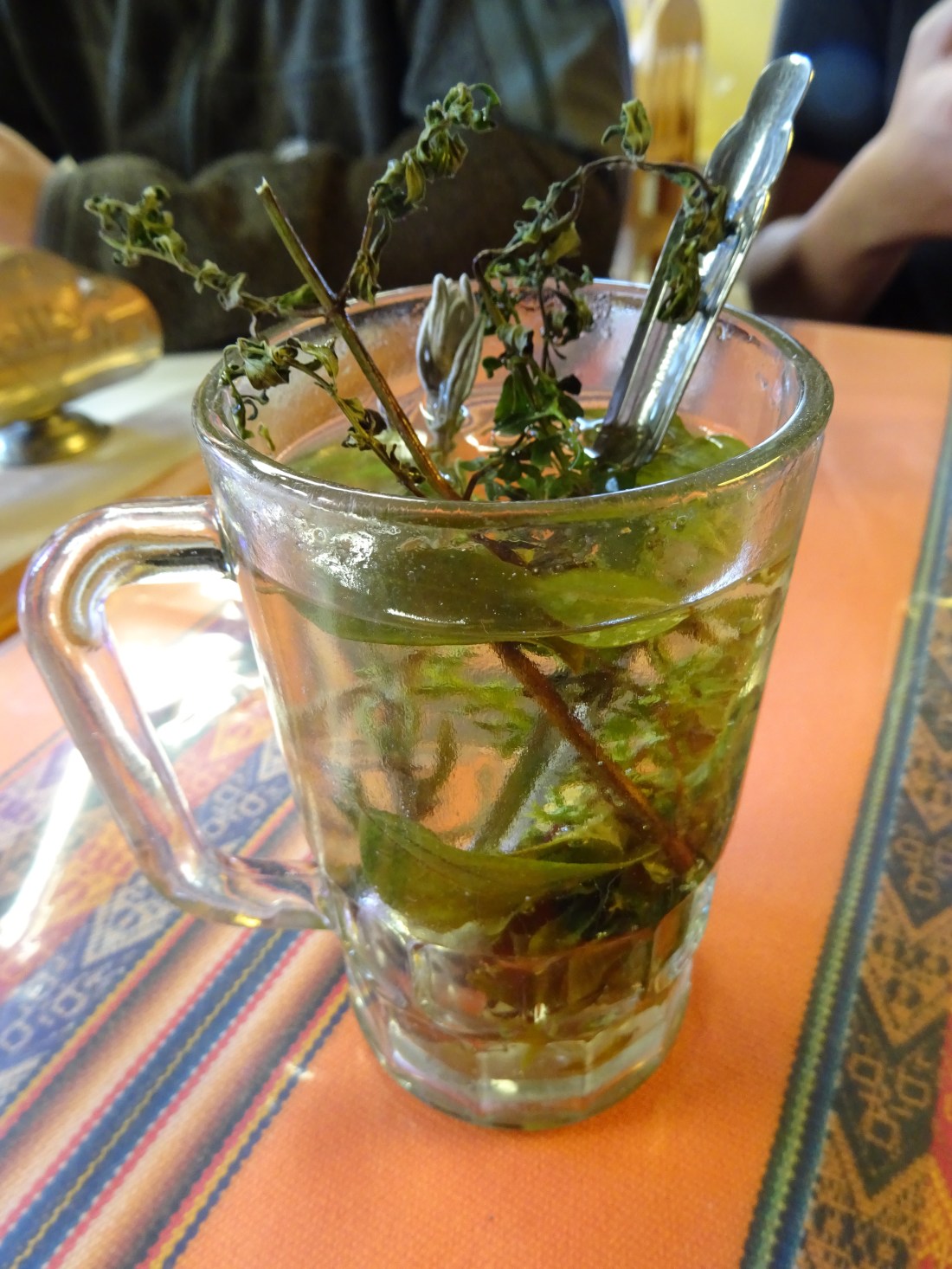
After a quick stop to sample some Inca tea (also containing coca leaves)…
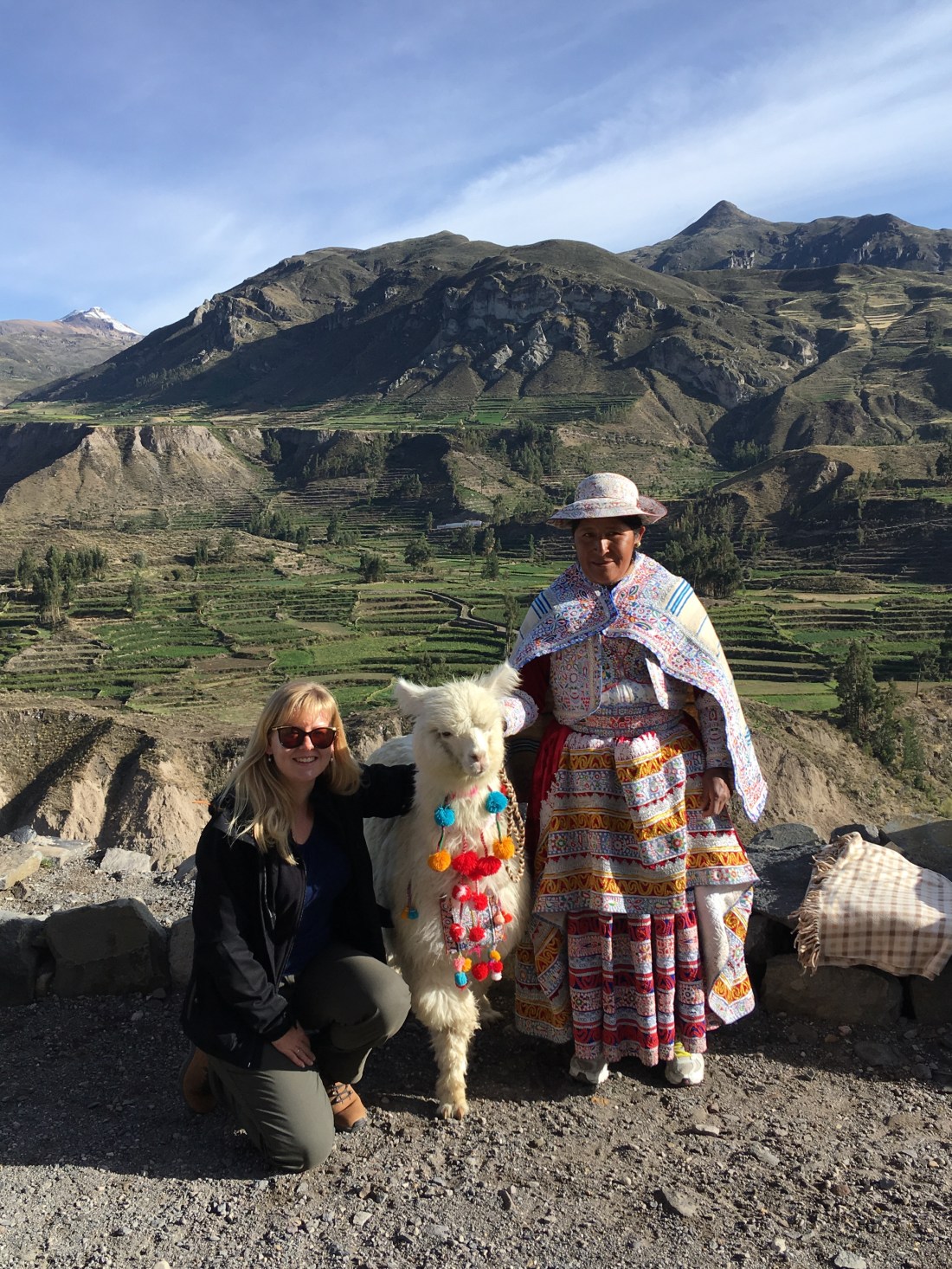
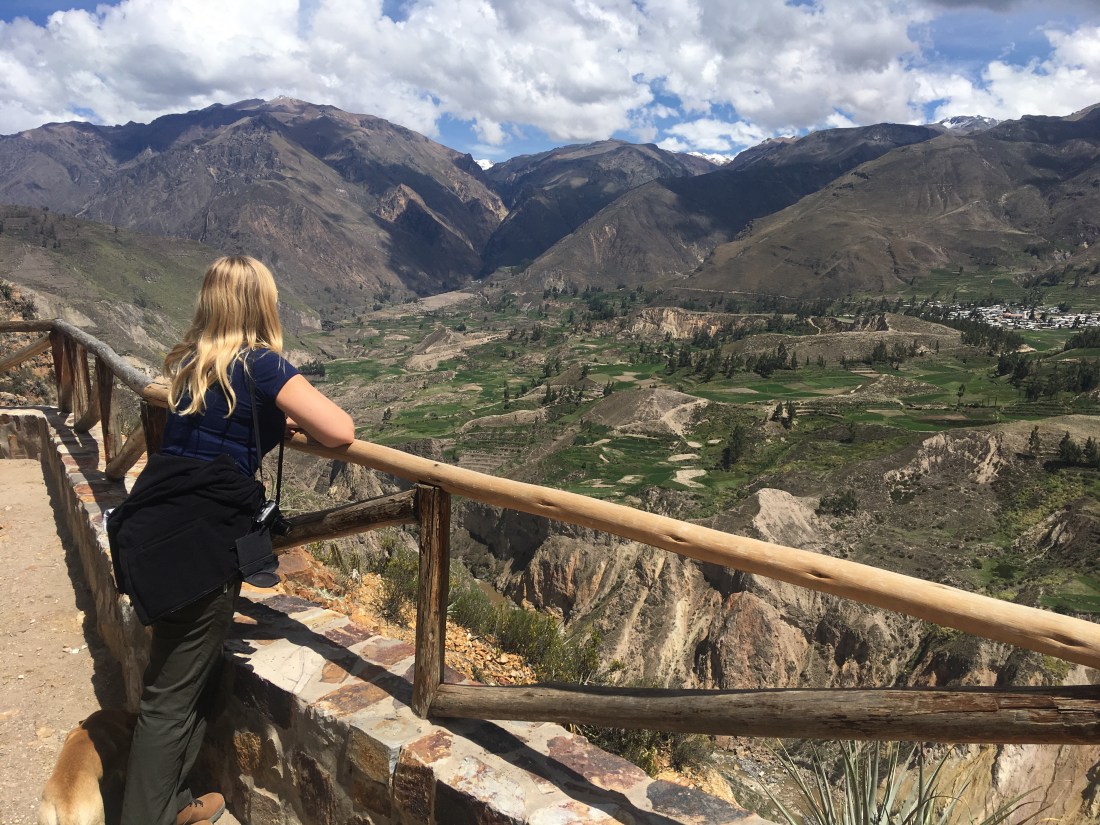
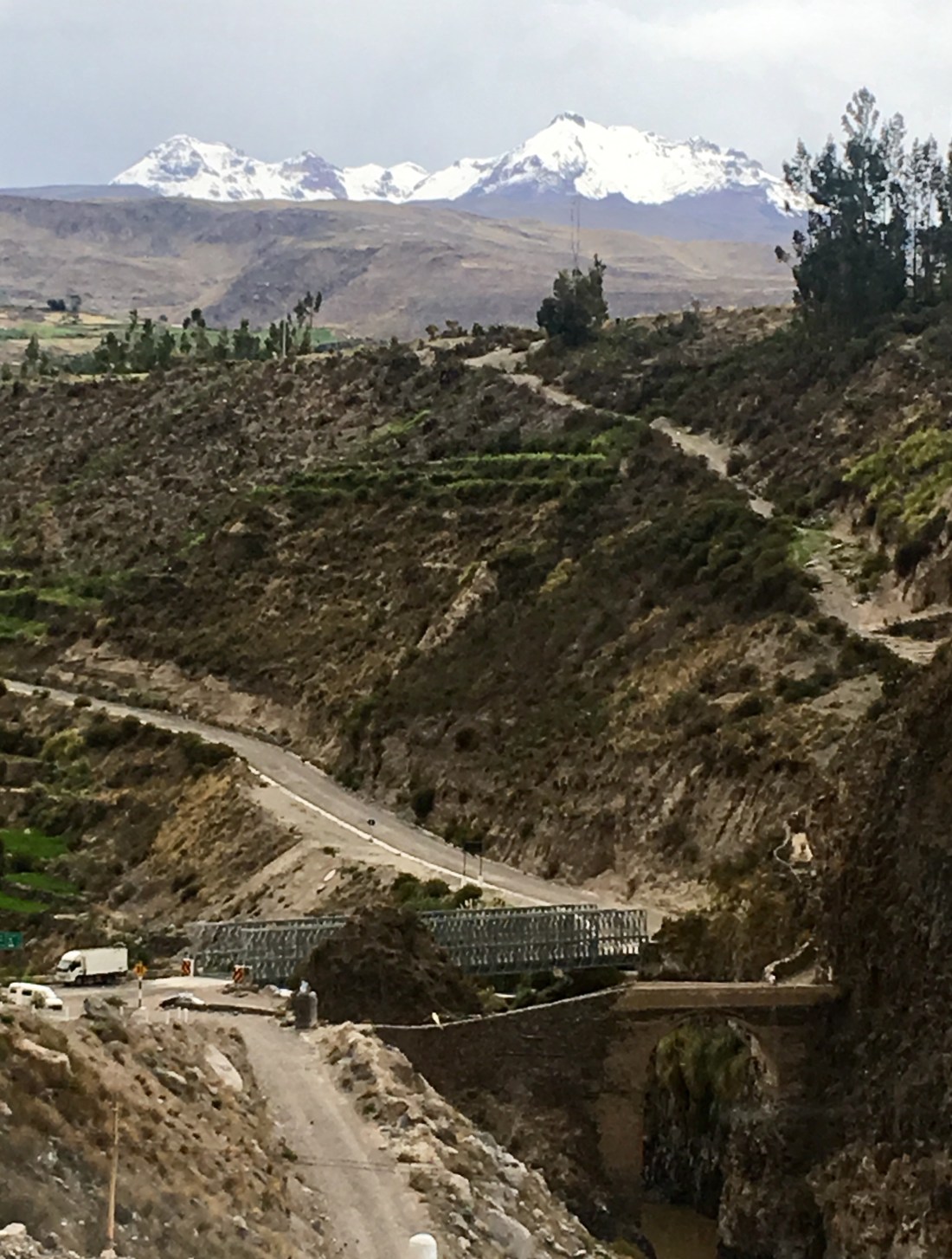
…we traversed the highest point (almost 5000m above sea level) and saw the weather change rapidly. All courtesy of the altitude and the rainy season, despite the ground looking as dry as a bone! So it would be that we would wait until the following day to return there and get a good view of the snow capped volcanoes under clearer skies. We did however get some nice snaps of the valley lower down before the weather set in, and Rach met a very fluffy and affectionate alpaca!
The town of Chivay, considered the capital of the valley, was our stop for lunch and then after checking into our hotel (the nicest one yet!) we grabbed towels and headed to the hot springs around 15 mins away, pools heated naturally by the volcanic activity.
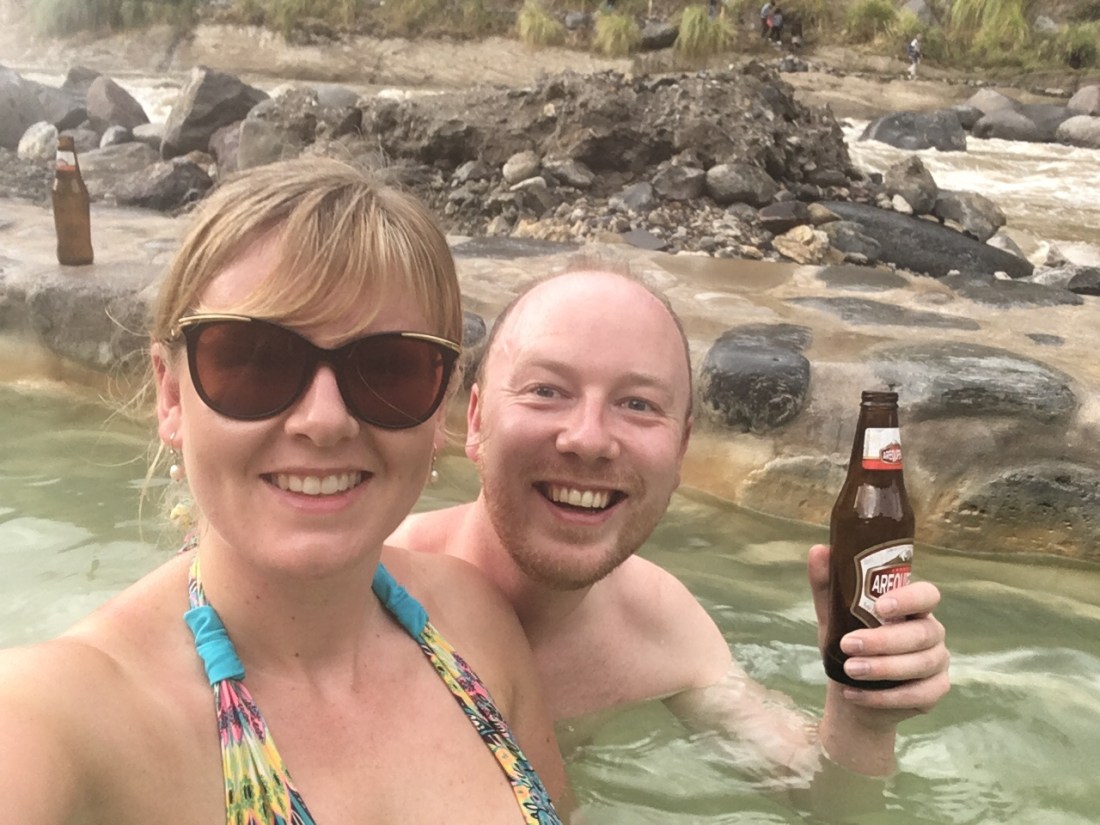
We had a blissful hour in the hot steamy water with a beer before the heavens opened and the thunder rolled in – time to run back to the bus! A nice shower back at the hotel and we headed out to ‘Kuntor’ restaurant (meaning Condor) for dinner accompanied by traditional folk music called ‘tinkus’ and dancing of the Colca Valley.
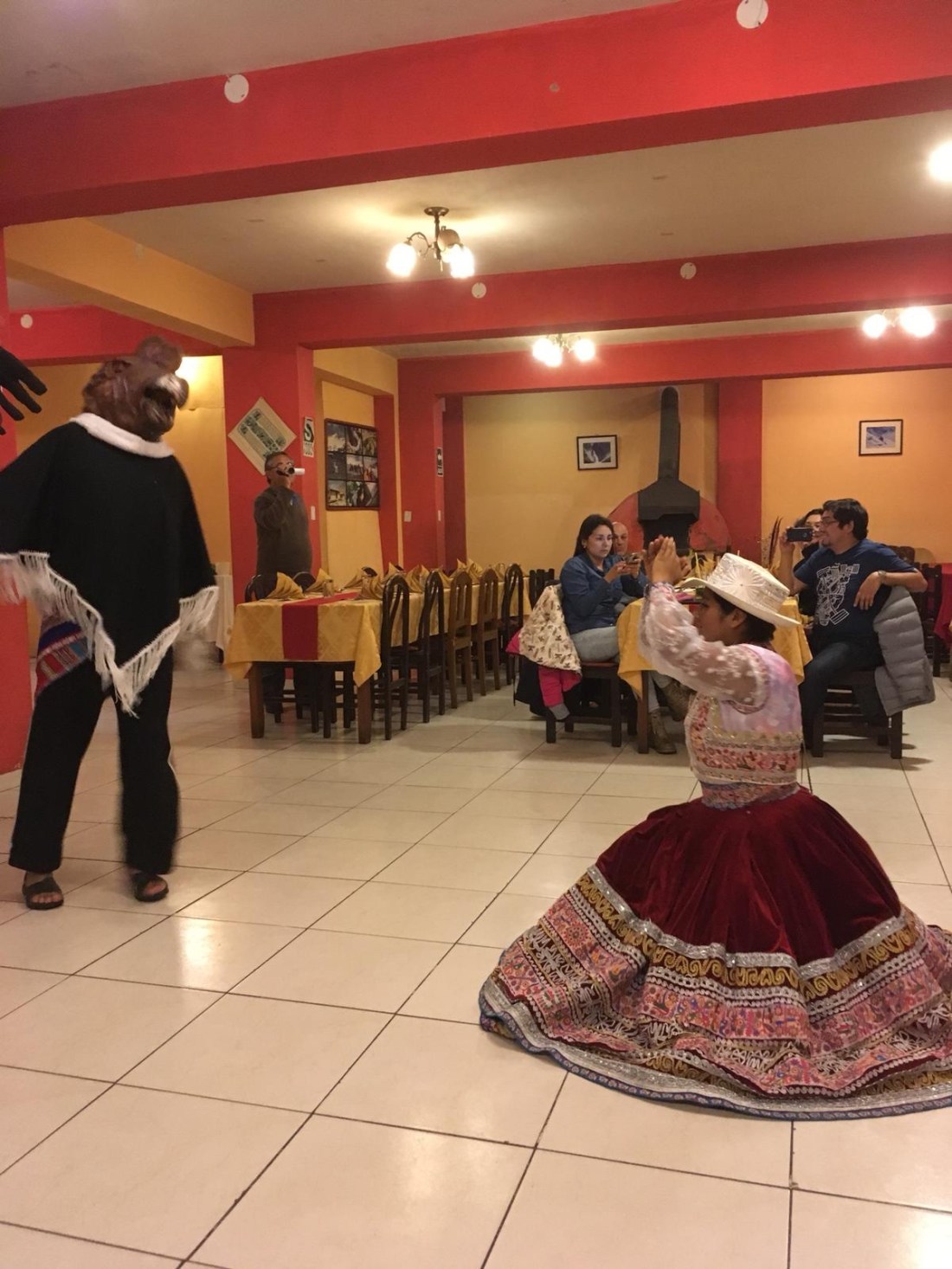
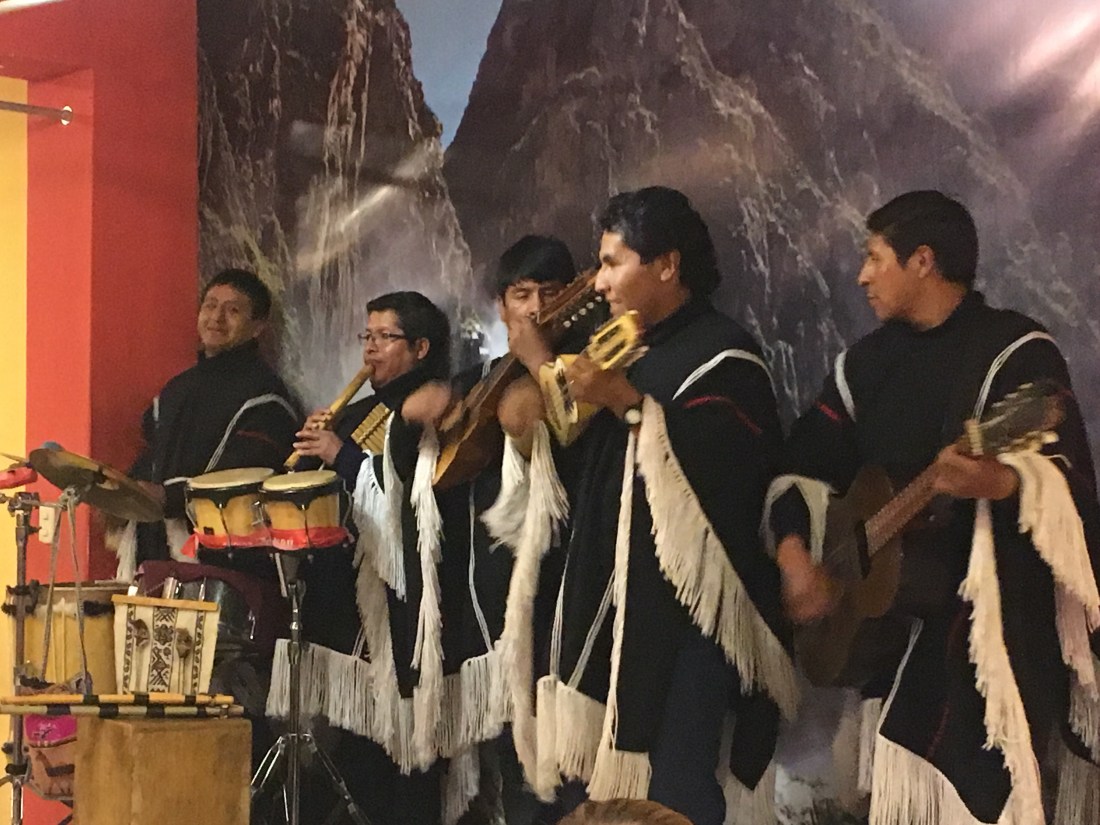
Poor Niamh was pulled up to take part in one of the numbers which ended in her getting a fireman’s lift and being bumped against Marine, dressed in a traditional outfit, and us all joining in the final dance followed by an unusual (and fast!) version of the Macarena!!! Great fun.
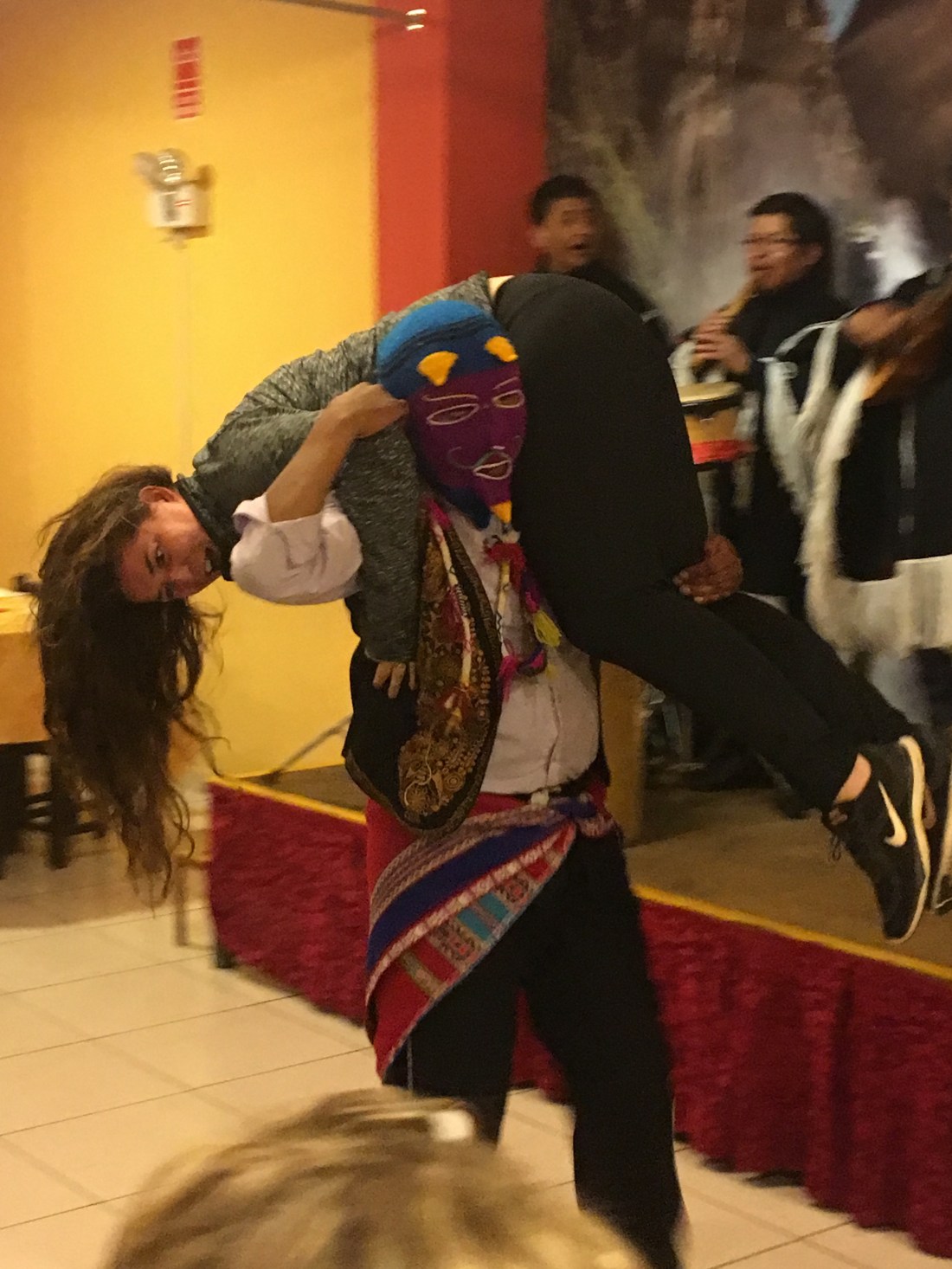
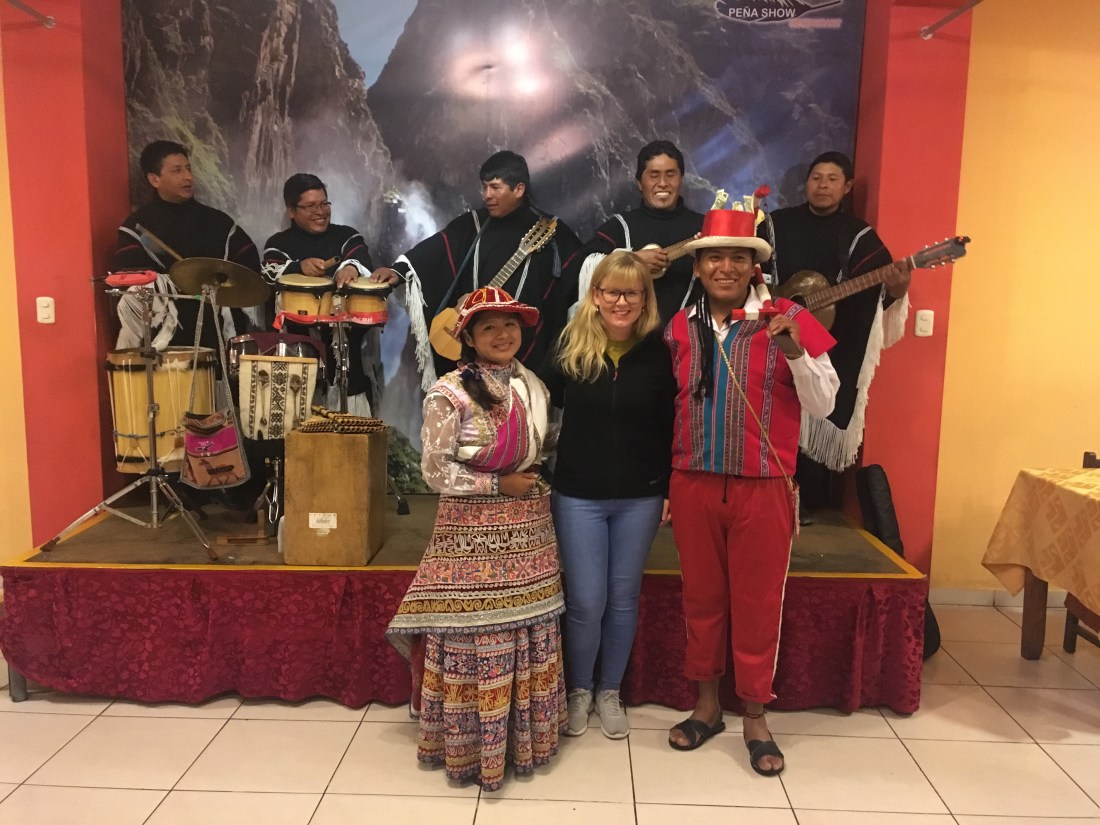
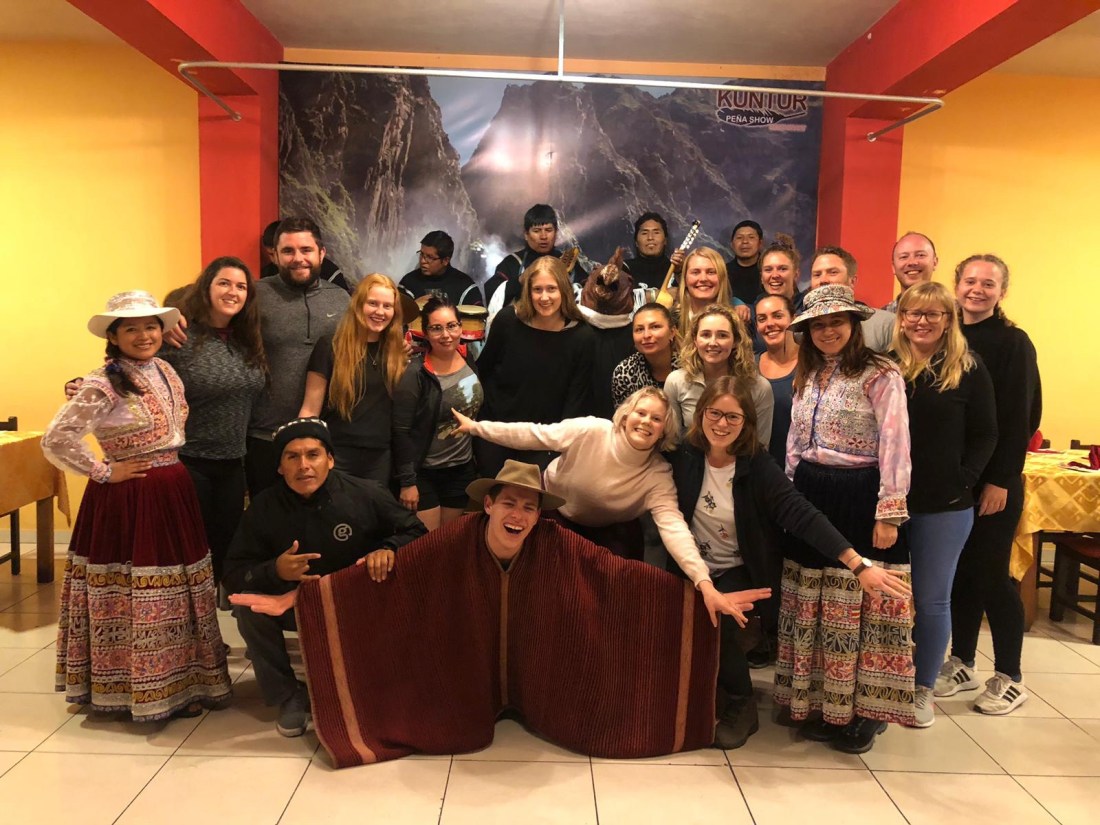
The next day, day 5, was a super early 5.30am get up call for breakfast at 6am, so we could be out promptly to travel into the canyon area to get to the condor cross. After some stops on the way to photograph the canyon, which is a staggering 10,000ft deep in places..
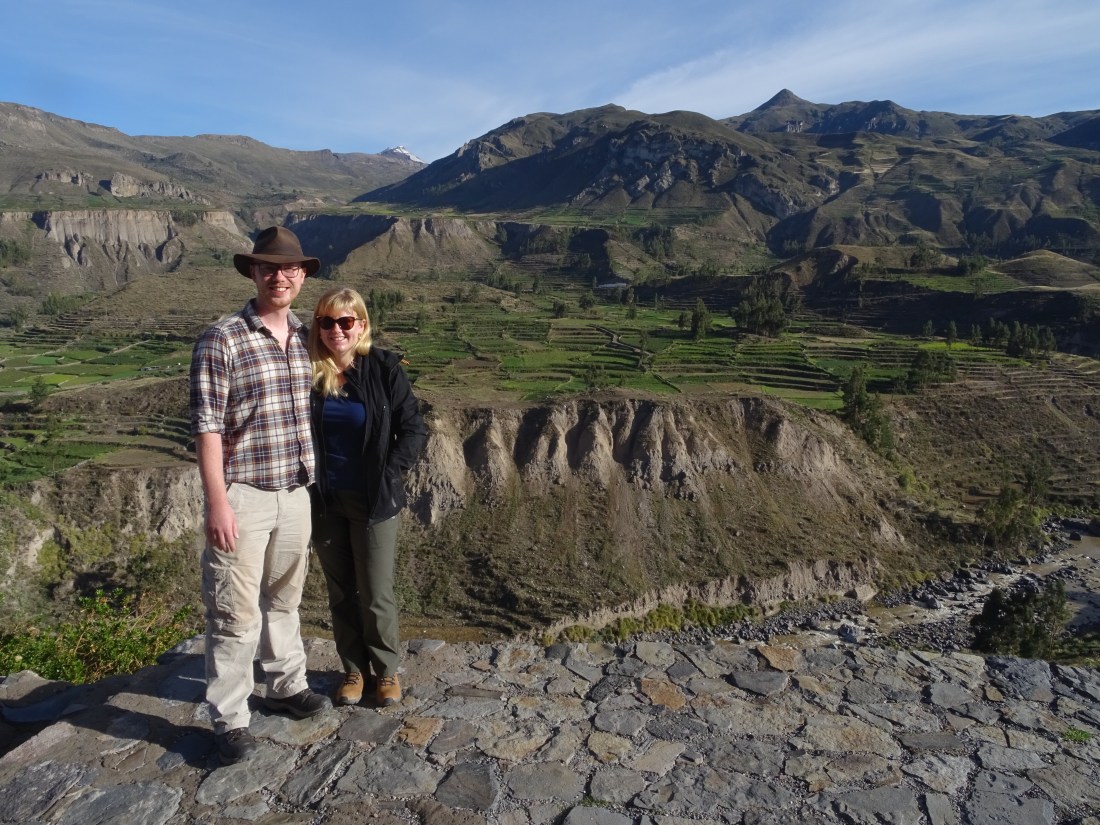
…we made it to the condor cross to hopefully spot these rare birds before they departured the jagged rocky edges of the canyon to search for food. After much earnest leaning and balancing over a fence (Ged holding Rach so more learning was possible!) we got a shot with the zoom of a young female waiting to fly.
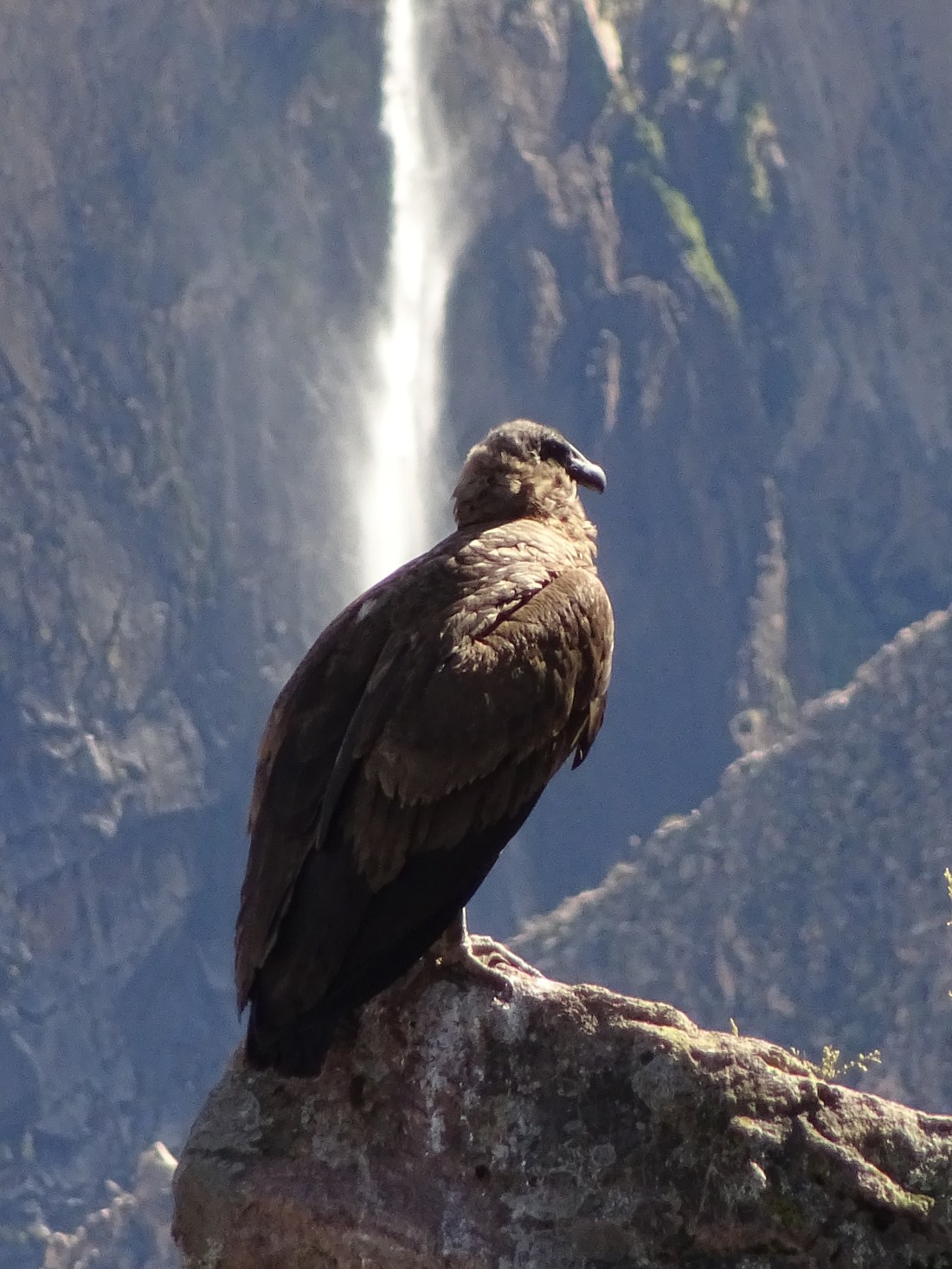
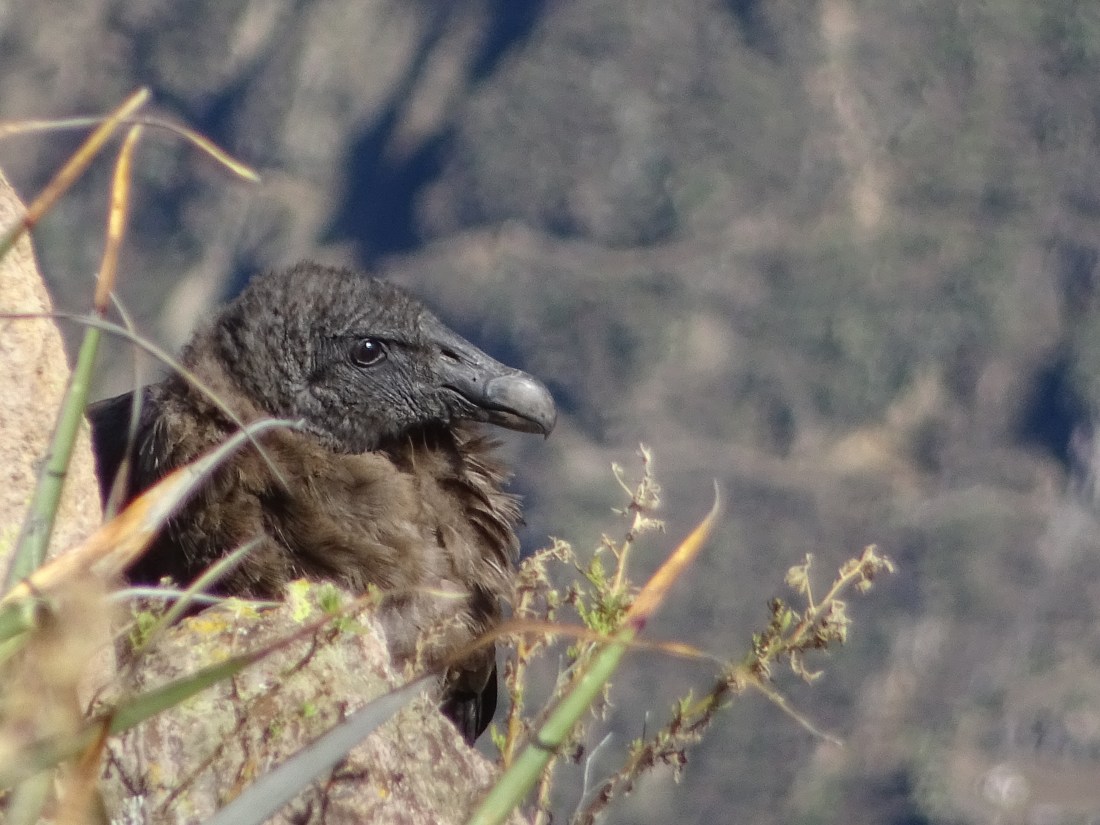
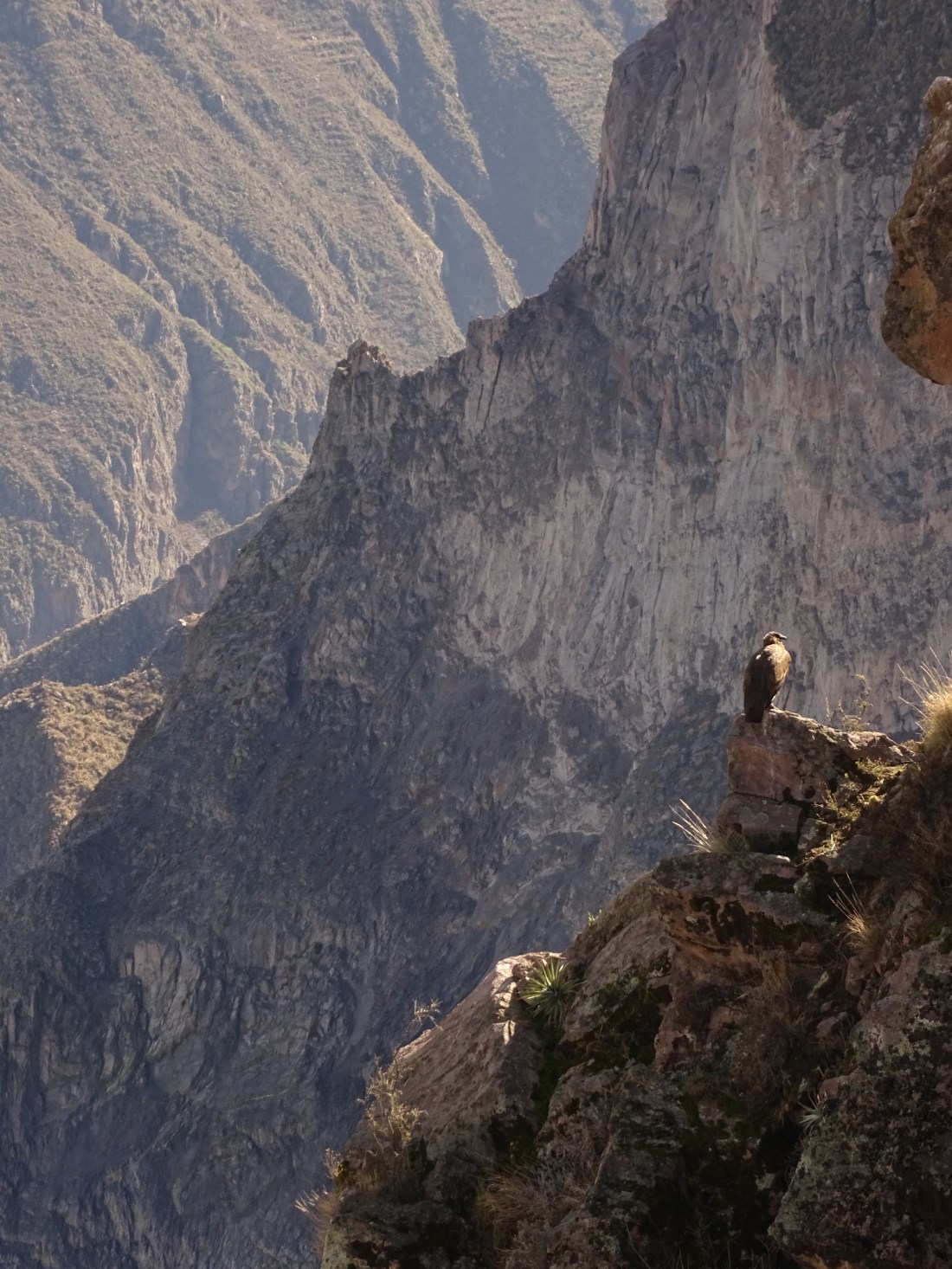
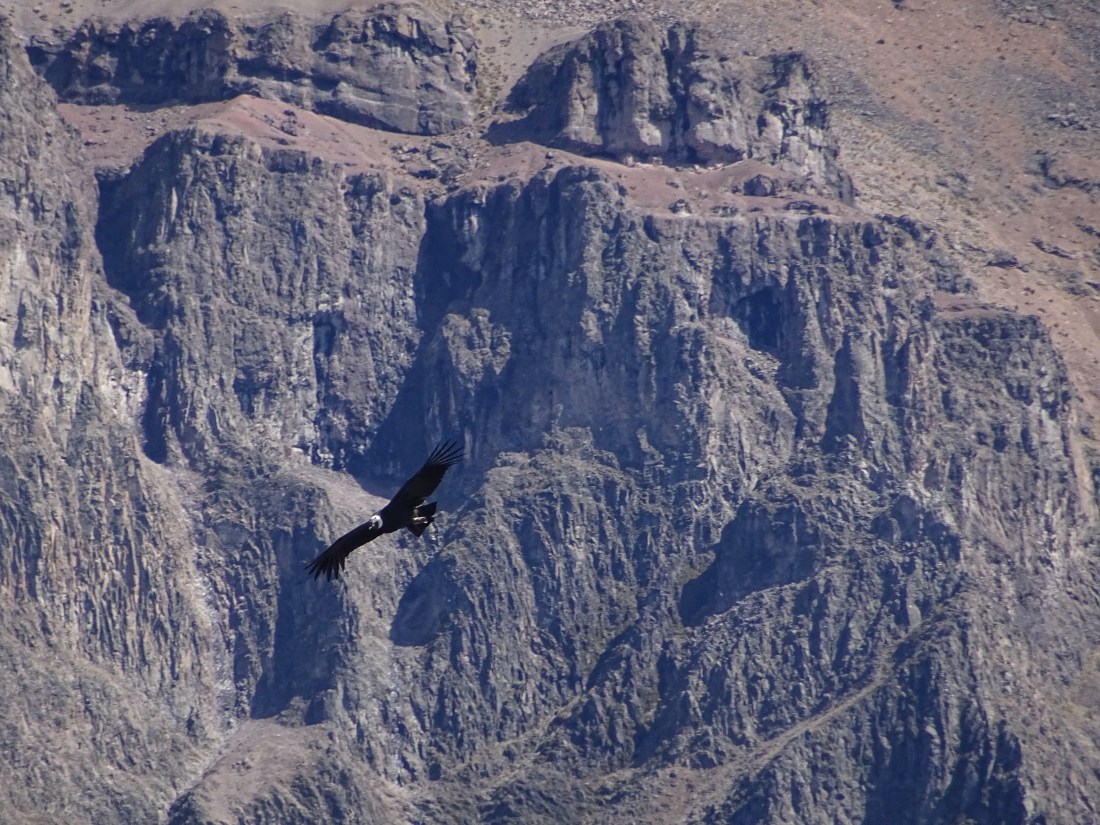
Not long after, she and several others flew majestically over the canyon, proudly showing their impressive 3m wingspan. These monogamous birds live for around 60 years and are a kind of vulture, feasting on dead animals. There are around 80 in the Colca valley. Another species for Ged to add to the bird photo library!
We then followed a path along the canyon for around 1hr, giving us our first real taste of walking at altitude. Needless to say it definitely has an impact on the body – a few steps and you’re blowing a bit from the thinner air!
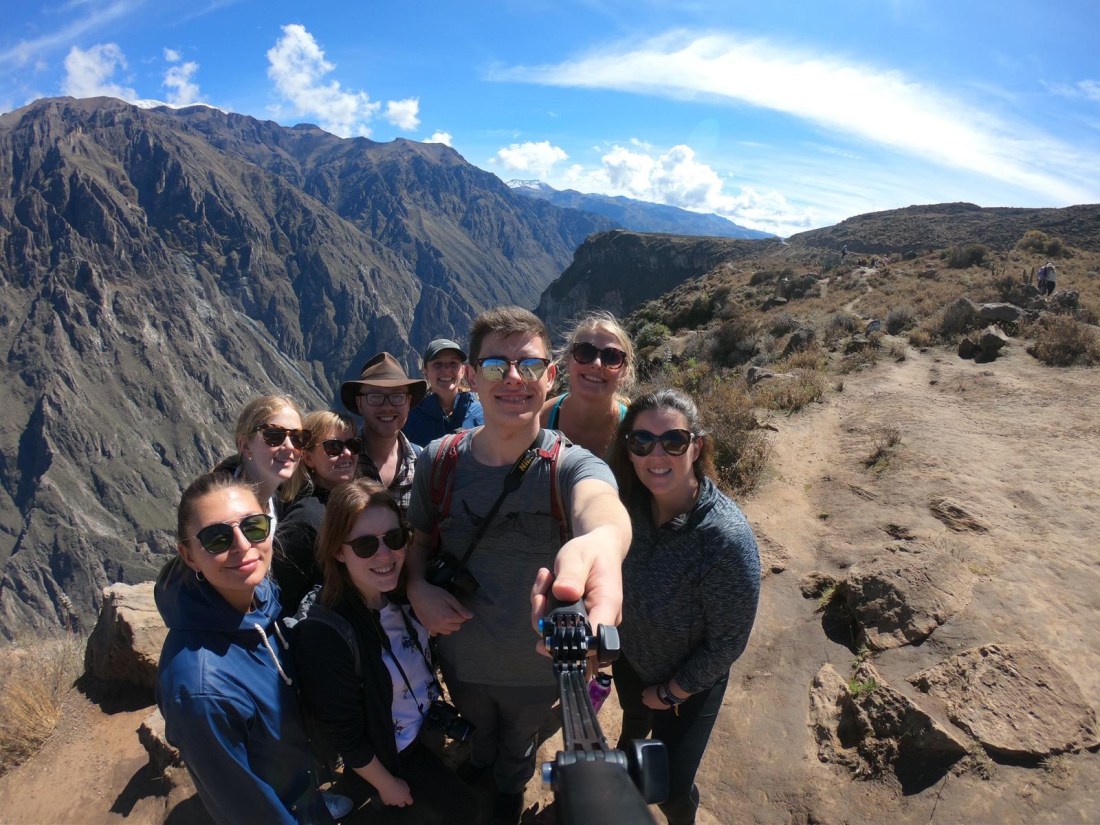
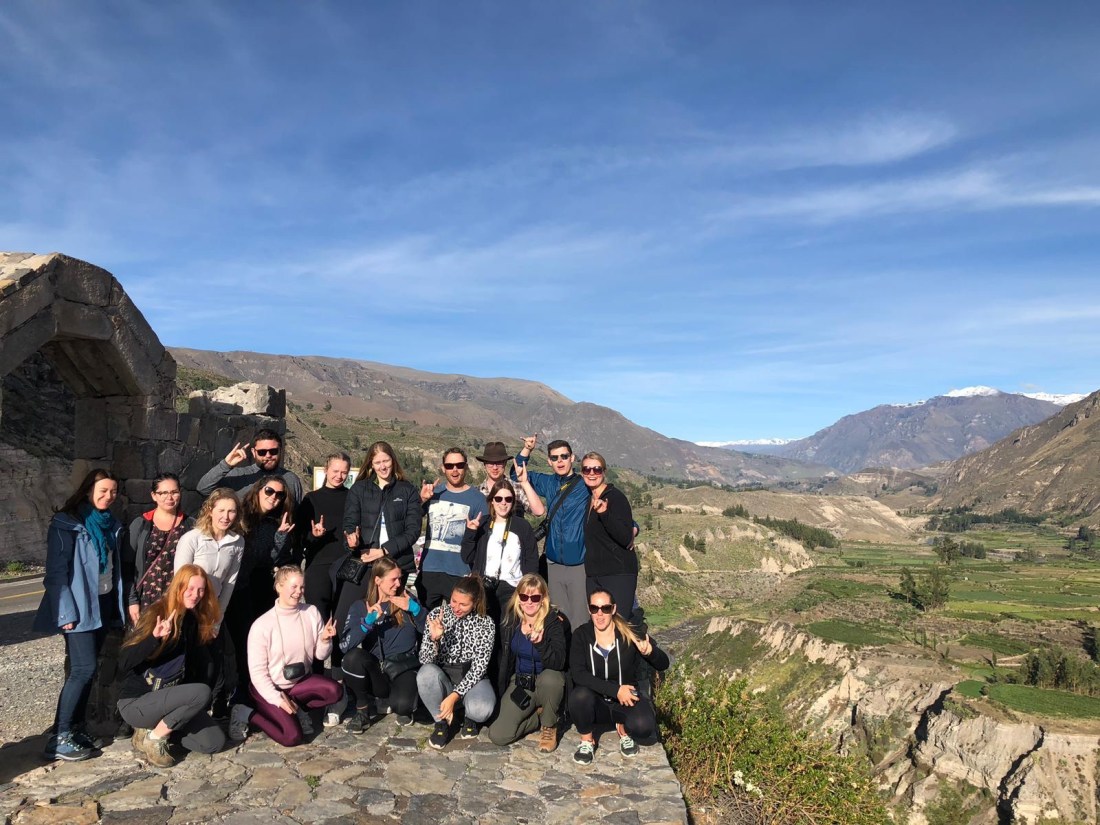
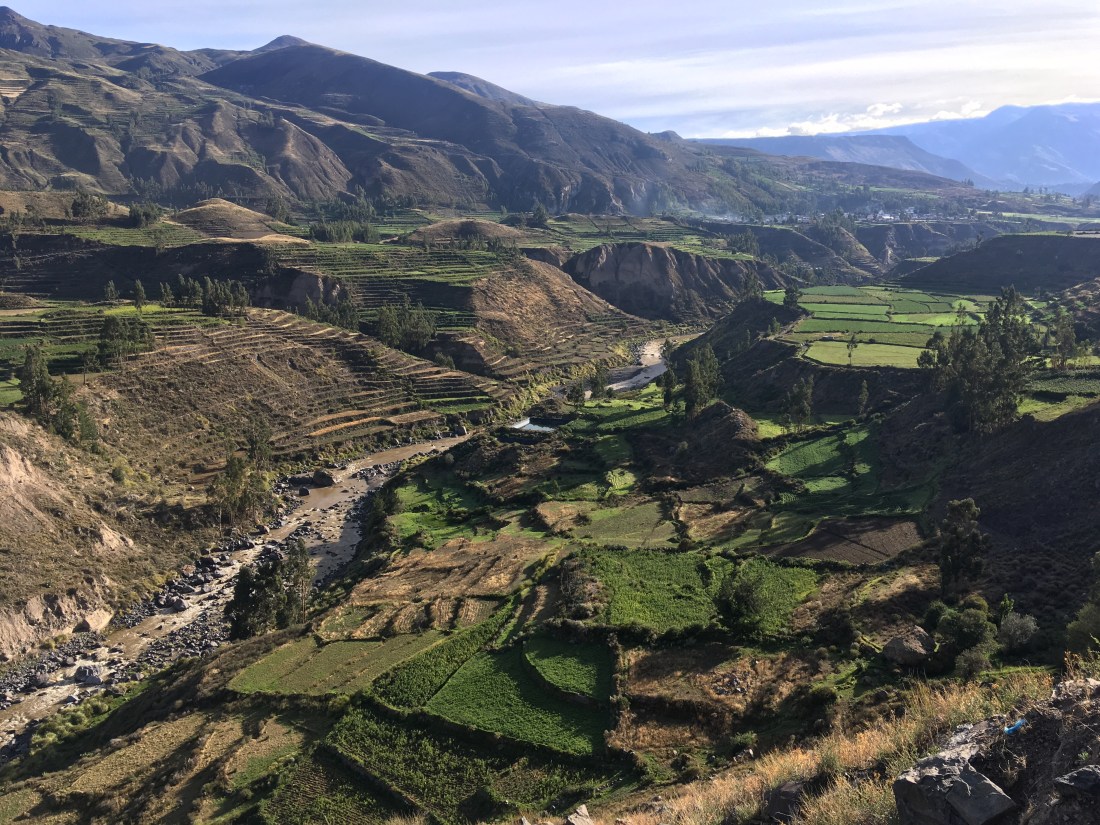
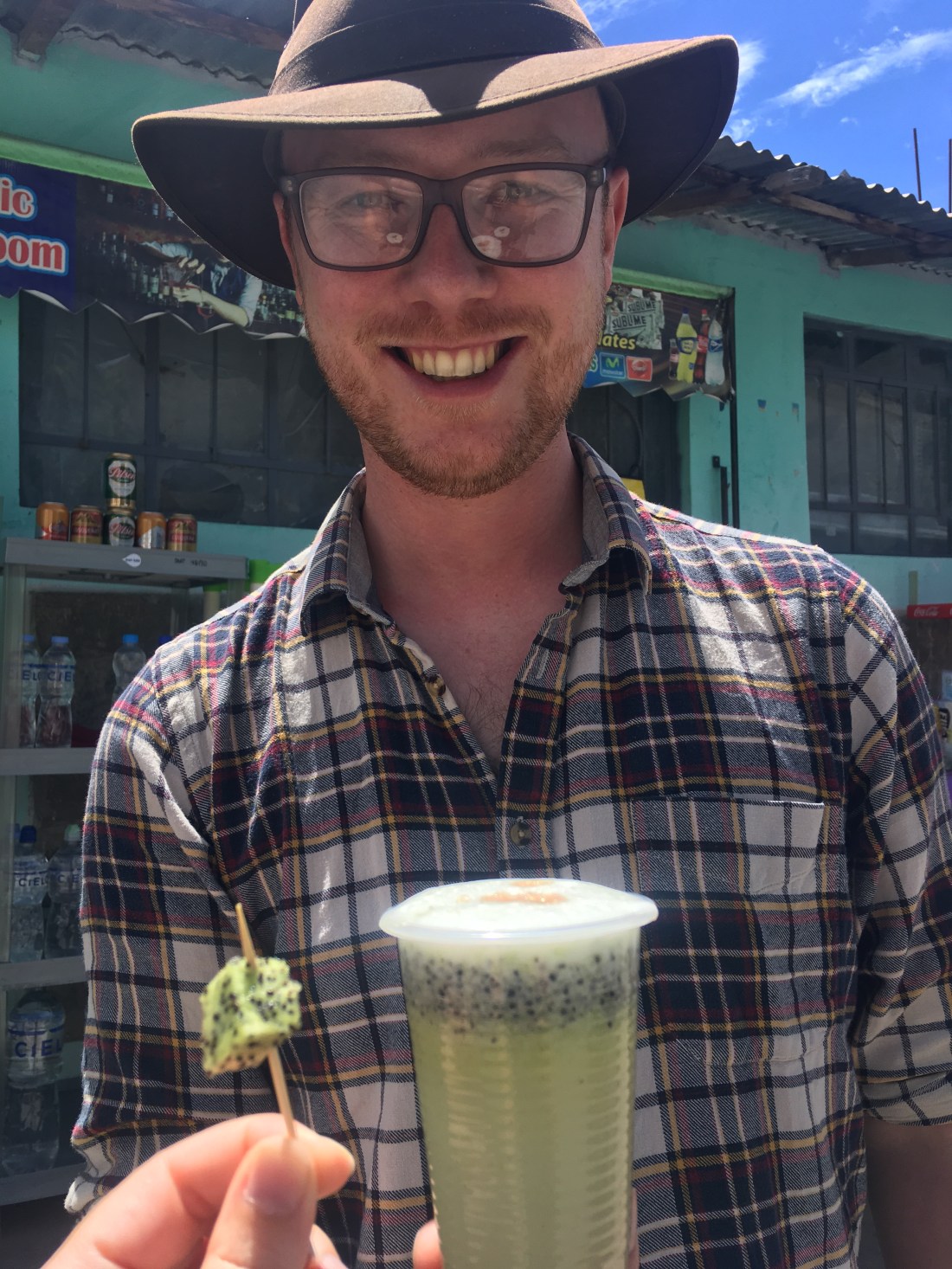
After a very scenic walk we boarded the bus and went to Maca town (the one destroyed in the 1991 volcano eruption) and visited their beautiful church which has literally risen from the ashes. We also savoured a local twist on the Pisco sour using the cactus fruit – the Colca sour! Delicious (if you like a kiwi-ish flavour).
Passing ancient terraces still used for agriculture, we headed back to Arequipa. One more day before we begin our journey to Cusco and start the Machu Picchu trek.
Big on views and history, Nazca, Arequipa and the Colca Canyon and Valley have done more than just given us some spectacular views to drink in, they have helped prepare our bodies for this next and important segment of the trip, in the company of some good friends. Onto the next humbling view!
 Around the world in 140 days