
Author: Both
Photos: Rach (unless specified)
Sucre
After our third and last overnight bus of the G Adventures trip (woohoo!), we arrived in beautiful Sucre. Founded in 1538 and once the home of the very wealthy, who moved there from nearby rich mining town Potosí (soon to visit) in the 1580s for the warmer weather and more productive soil. They are responsible for its very colonial appearance, UNESCO acknowledged since 1991.
We headed out after breakfast to the Parque Cretácico, home to dinosaur footprints.
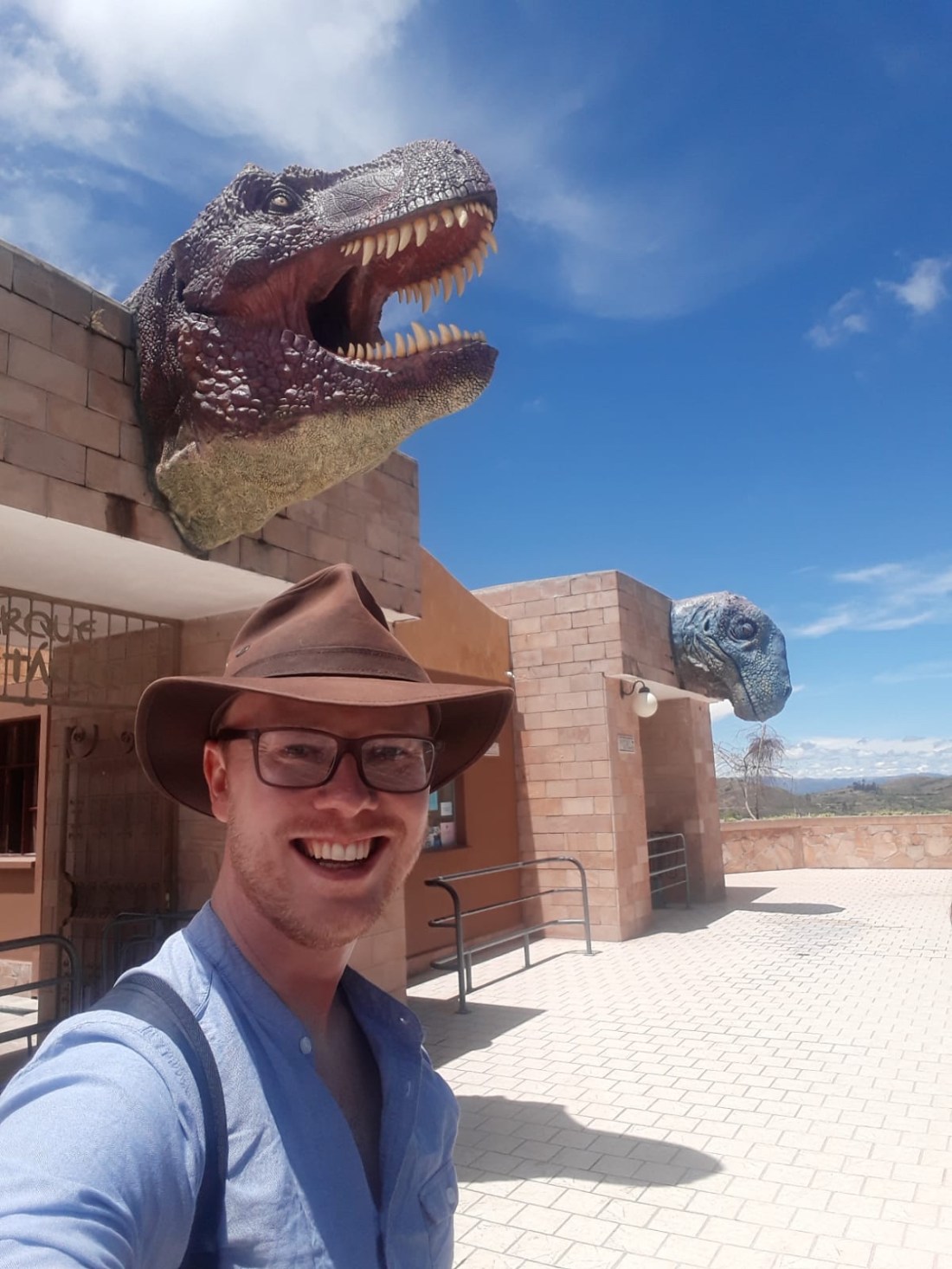
Unfortunately due to some incorrect information, we had missed the opportunity to walk out to the actual cliff side where the footprints are situated, so had to settle with viewing them from about 300yds. Still we had a good tour of the site and it’s small museum by one of the park’s guides, who explained that the amazing 65,000 sq metres of footprints were discovered accidentally when they began quarrying at this site in the last half century.
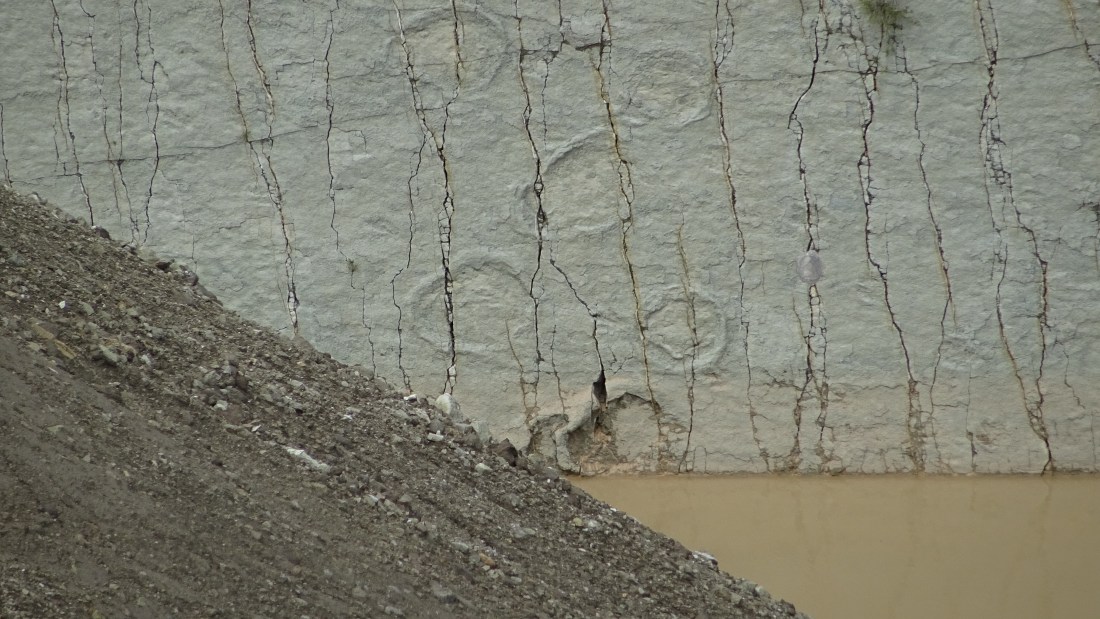
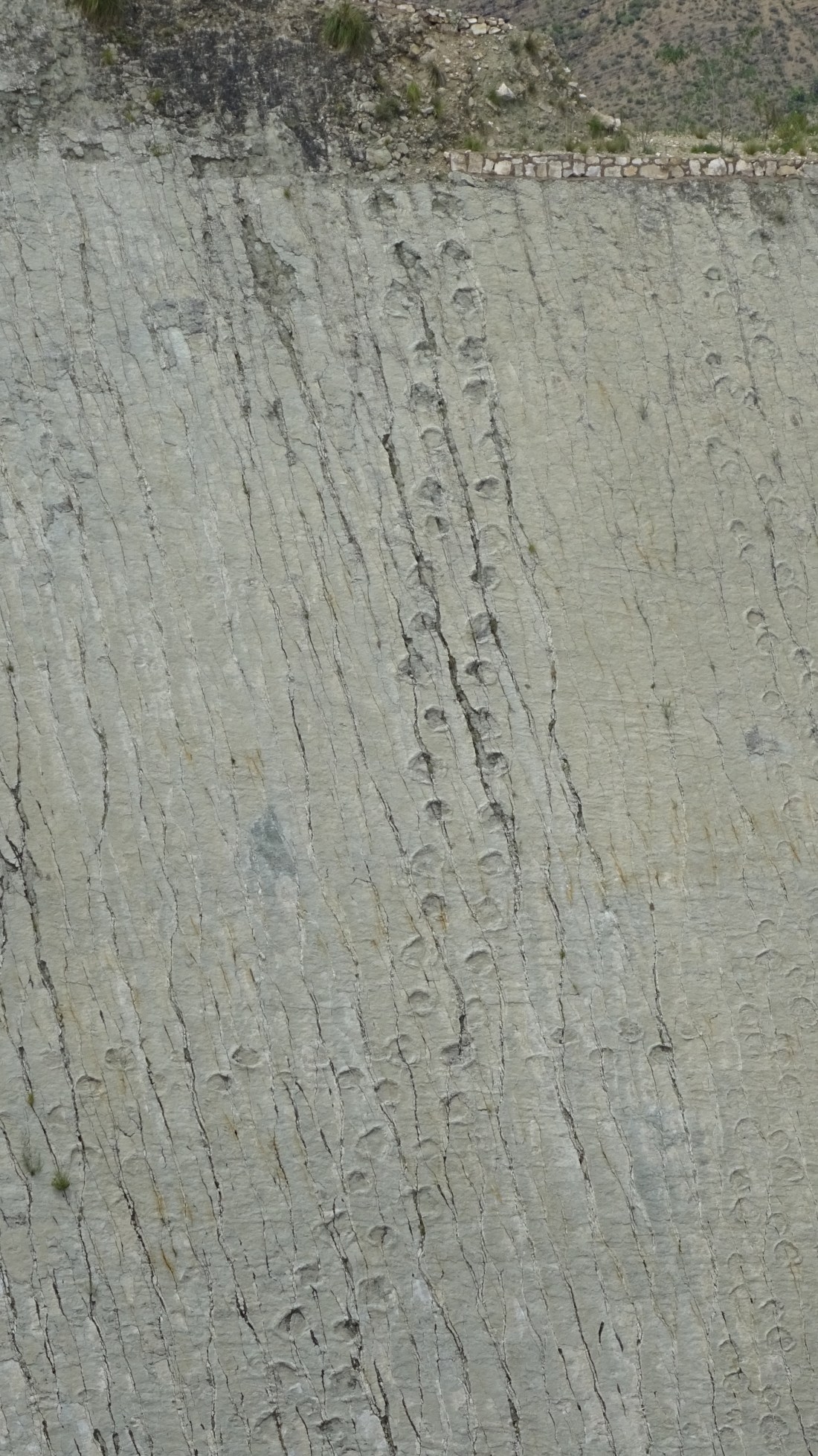
The footprints belong to 4 different groups of dinosaurs who lived 68 million years ago. One of the very largest dinosaurs in these groups was named the ‘Argentinosaurus’ at a staggering 70 tonnes. It was quite something to see so clearly the footprints of these mythical animals who lived so long on this earth before us. The Bolivians are now applying for grants to invest in the preservation of the 12,000 footprints which currently are facing erosion as they are directly exposed to the weather. Visitors in the future therefore, a bit like Machu Picchu, might not be able to walk among them but see them from behind glass. So I guess we were the lucky ones!
We decided on a little adrenaline for our second day by mountain biking through the lovely Sucre countryside! This 4hr ‘easy’ (pah!) route got us off the road, tearing down dirt roads through the valleys and a few small towns, and the odd shallow river crossing!
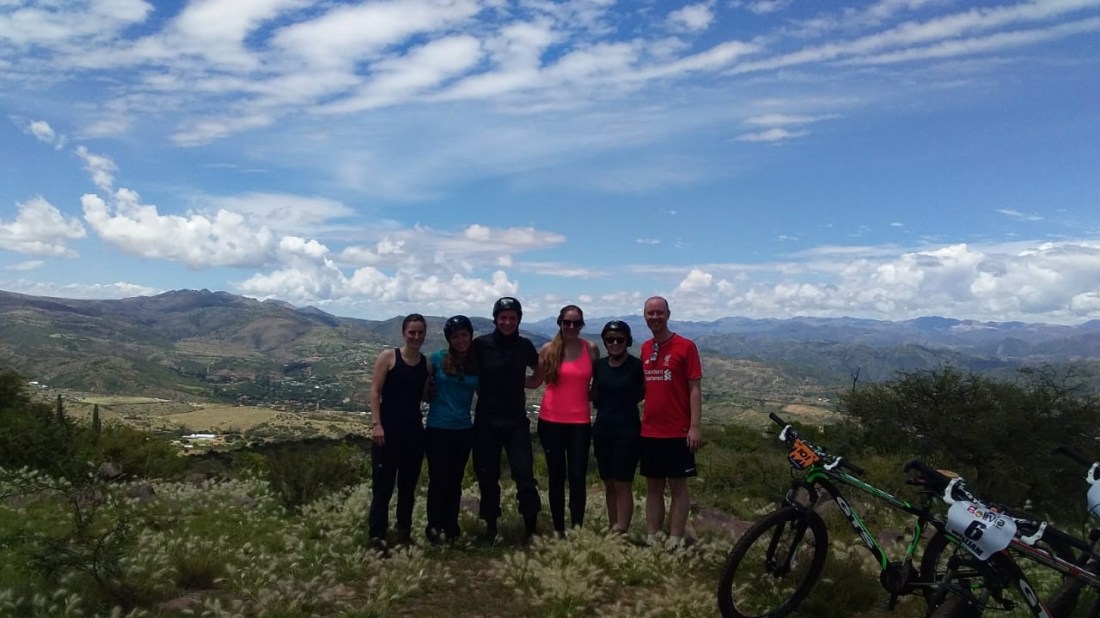
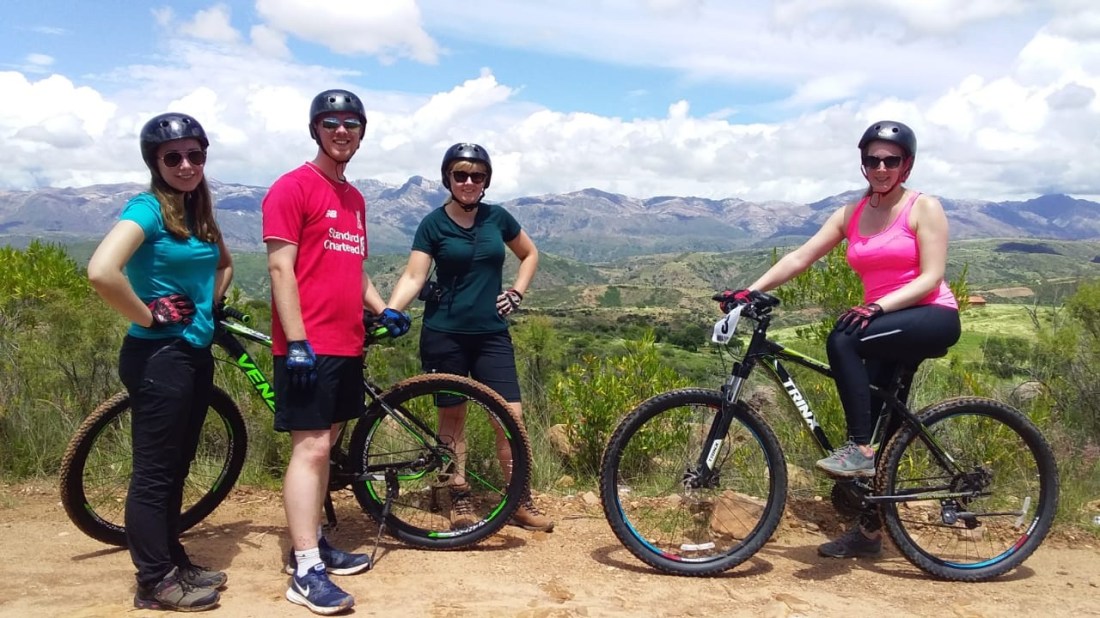
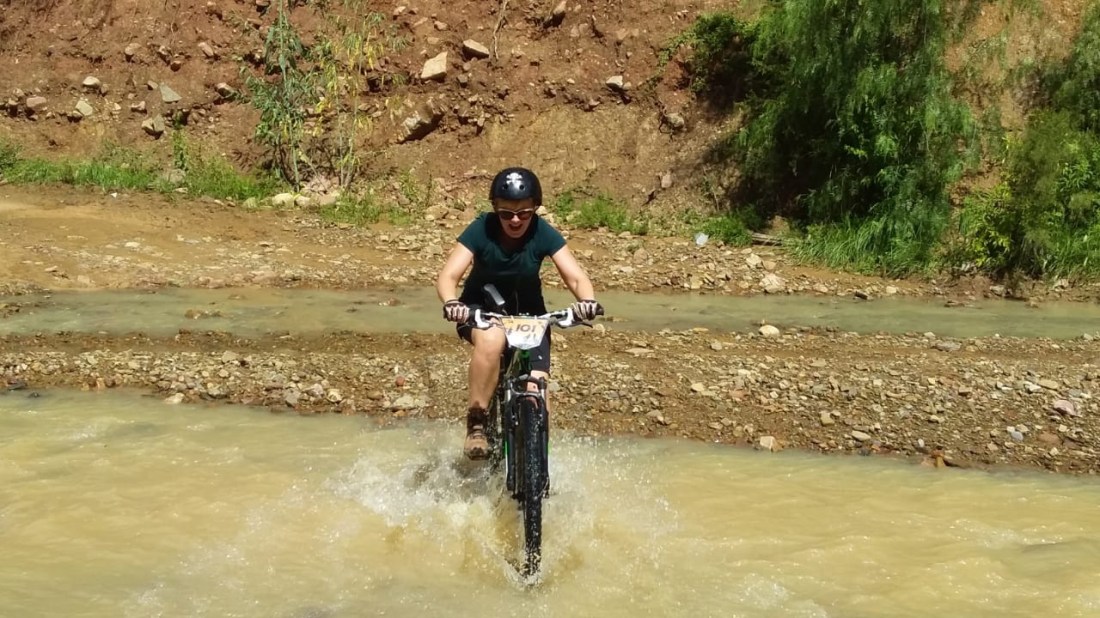 We got a little muddy and sweaty but some great vistas, a lovely breeze and a whole lot of fun on two wheels! Accompanied of course by a fair bit of panting up the hills, as we were still at nearly 3000m above sea level! Here we are post-saddle soreness!
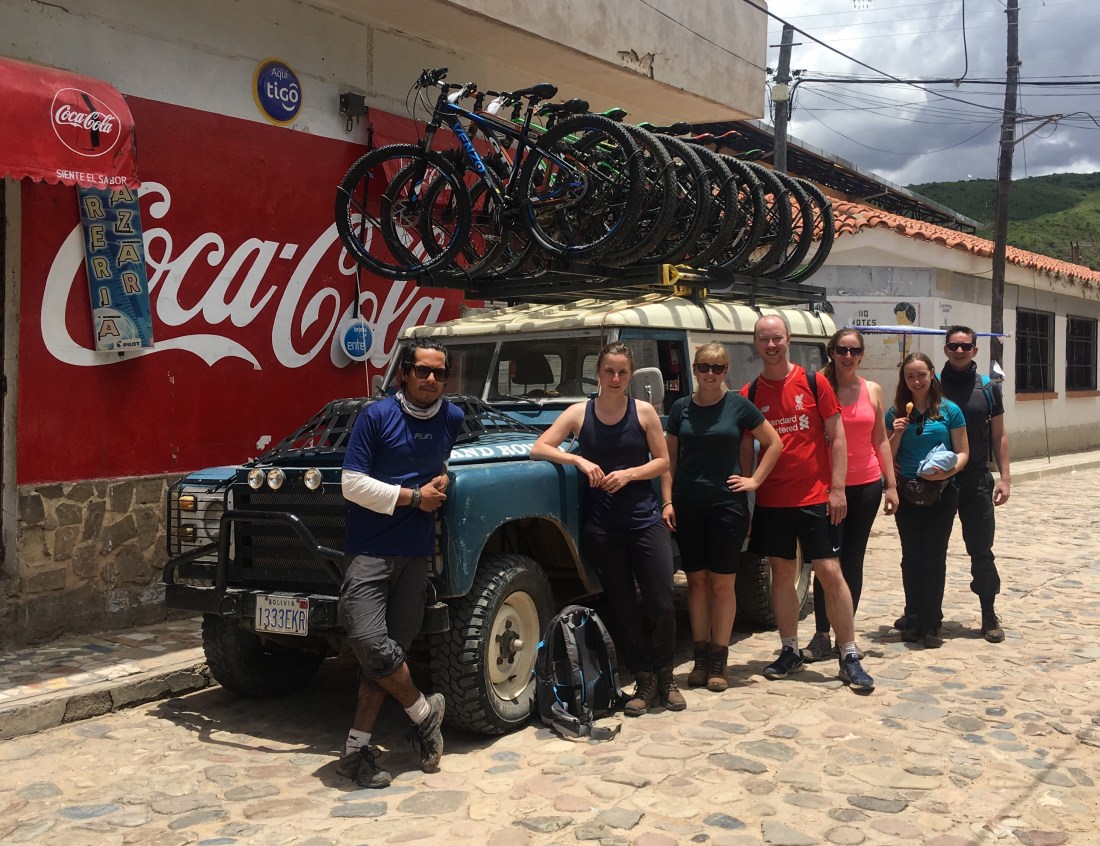
After a quick shower back at the hotel we joined the 3pm walking tour of the city, where we took in the main sites and learned a lot about this lovely place. We heard a bit about the indigenous people around Sucre (incredibly around 60% of the current population of Bolivia can still be classed as indigenous), including seeing an example of a ‘charango’ played by the Jalq’a people, a guitar made with the skeleton of an armadillo as its back, which we had seen in the musical instrument museum in La Paz!
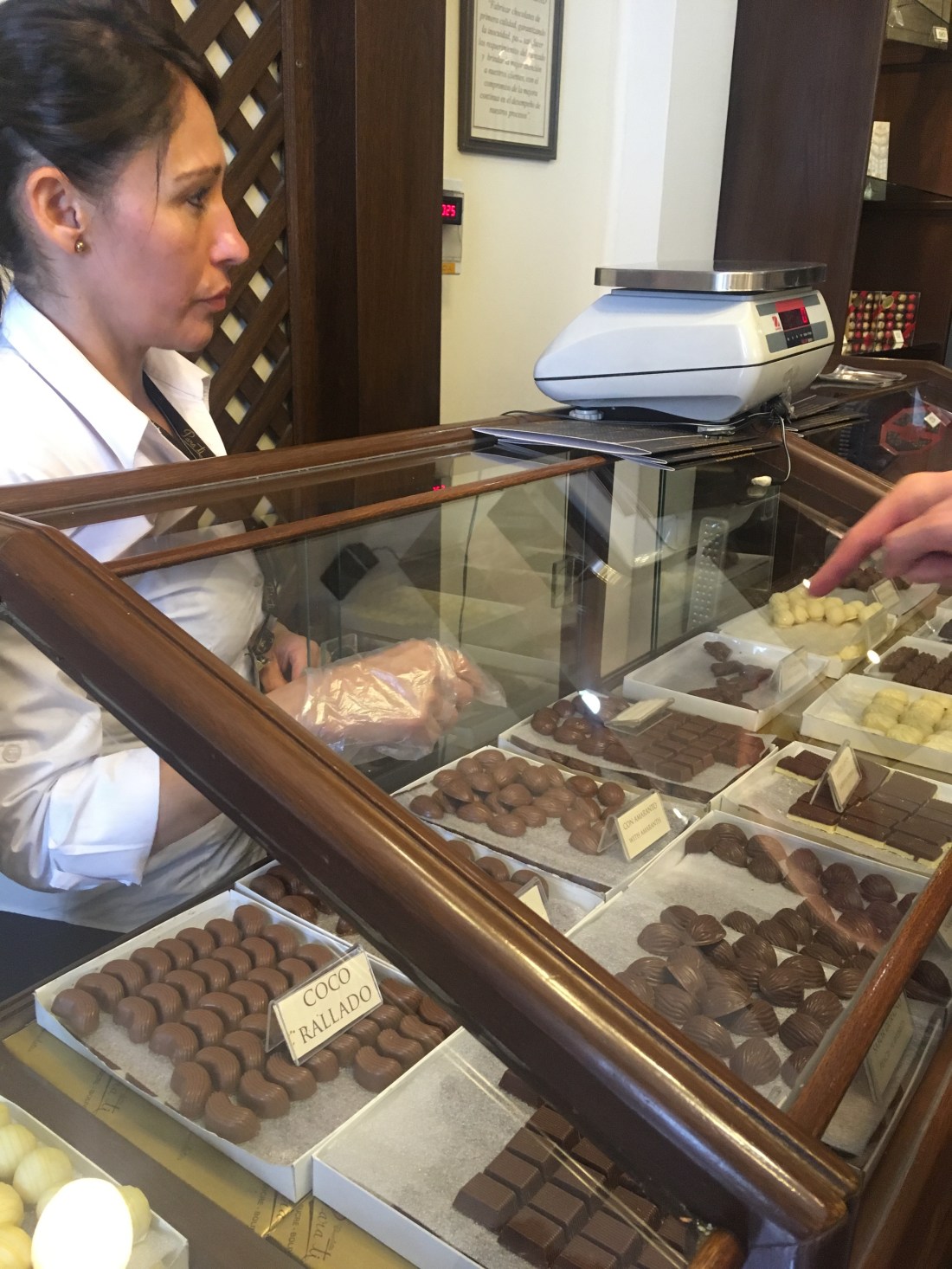
Bolivia has had its fair share of political upheaval and conflict. Sucre has evidence of this – the bell in one of its main churches remains proudly bearing a huge crack made when it was rung so hard on the day of Bolivia’s revolution – May 25, 1825 – after a conflict of 16 years. Present day politics are still pretty foreboding though; its current president has outstayed his time but has manipulated his way into being re-considered for election. His politics have been more than questionable too – on the ridiculous he has claimed that eating too much chicken makes a person gay, and drinking Coca Cola makes you bald. Rach considered Ged’s receding hairline as amusing contradictory evidence to this! Anyway after the history lesson our tour took us to a chocolate shop where we sampled a few flavours, and went through their bustling market and onto beautiful parks where we got a go on the slide(!) and finally to a viewpoint at the top of the city where the richest used to live. Pretty lovely!
In the evening we opted for the Bolivian Dining Experience through G Adventures. This is an enterprise designed to challenge perceptions of Bolivian food by showcasing traditional dishes and ingredients cooked by a collective of talented chefs. It was certainly one of the better meals we had had, but a million miles away from the standards you’d see in England.
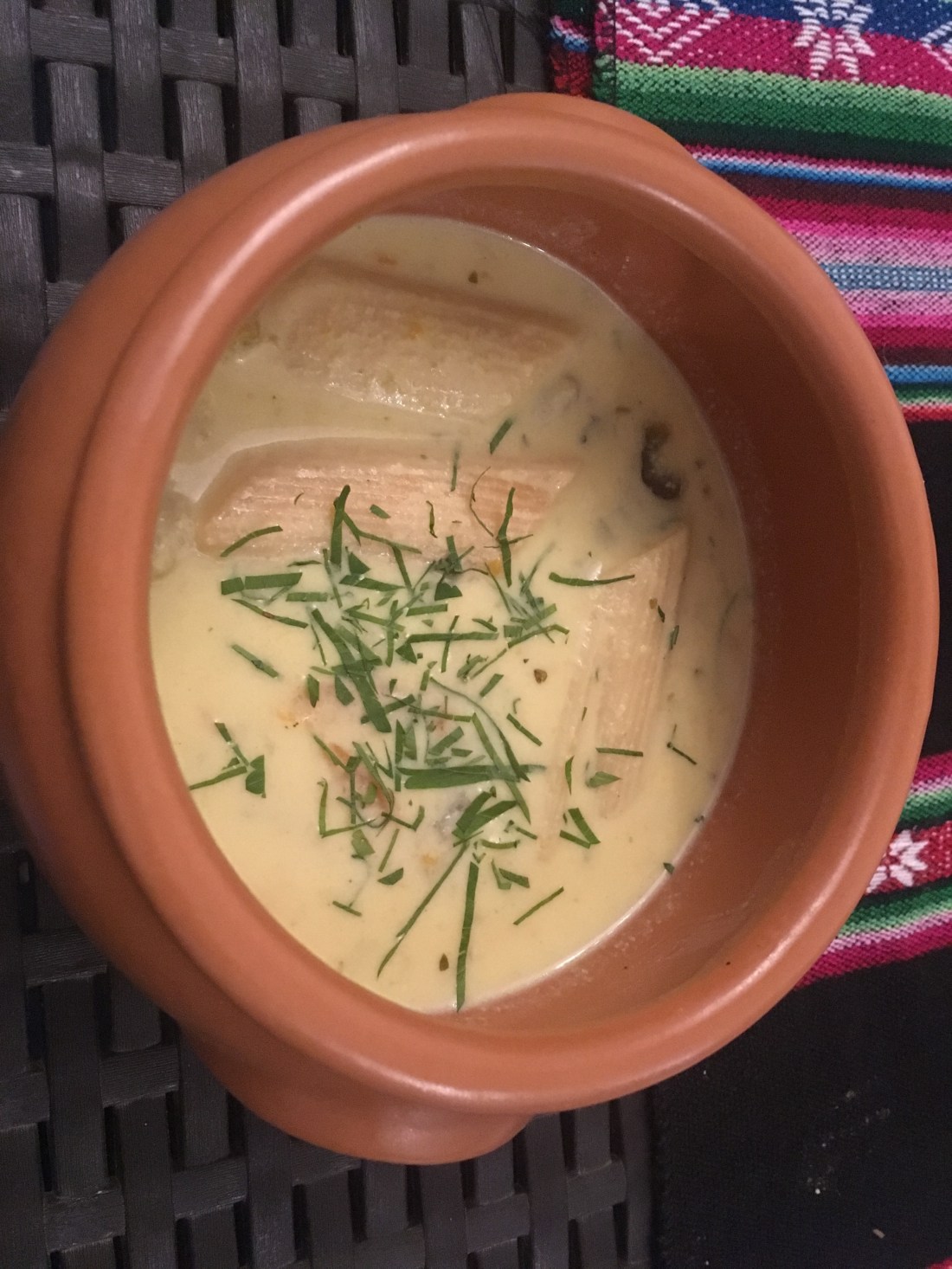
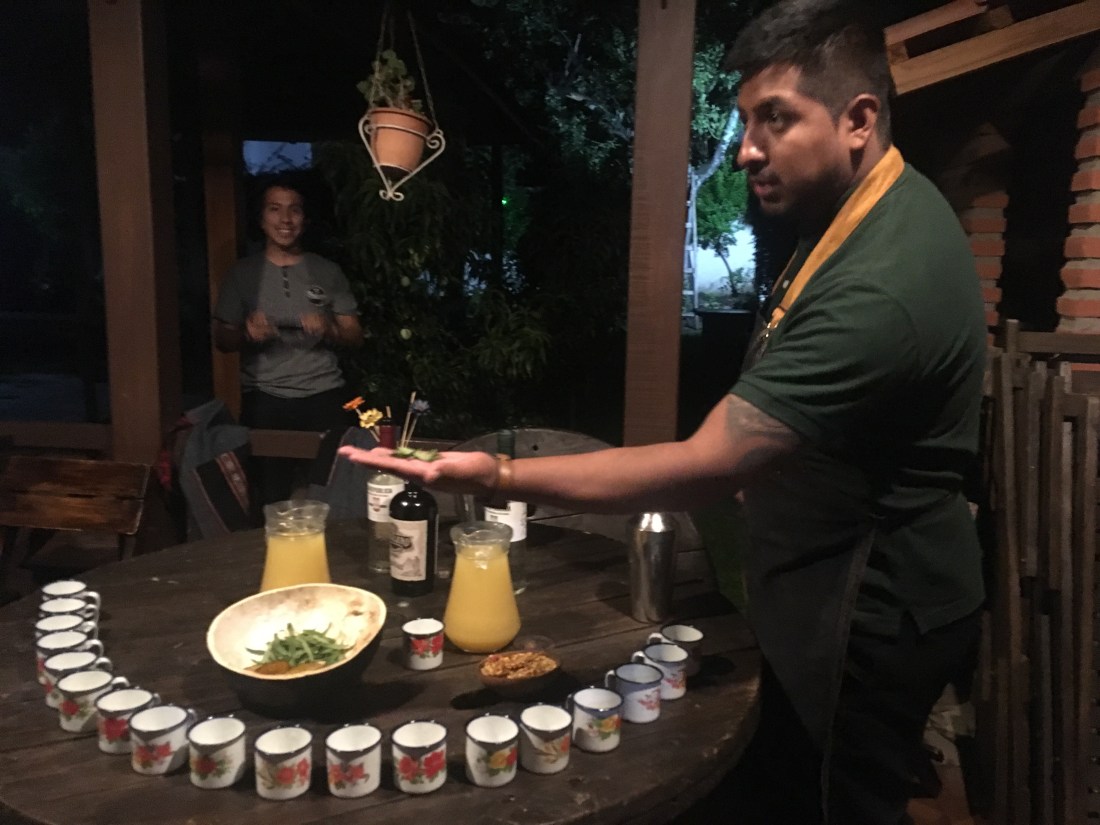
With our appetiser of homemade pesto, spicy sauces, bread, salsa and spicy sauces we sampled a kind of Pisco (but different grape from Peru) served with ginger beer. Yummy! After our second course of Lamb empanada, which was very delicious, we went outside to help prepare a cocktail of República alcohol (gin), served with star fruit syrup and herbs. Seeds of chilli optional! We also tried their traditional peanut soup (luckily for Rach it didn’t taste like peanut, just had a great creamy quality to it) and then a main of pork with mashed potato. To end we had zucchini and tombo fruit ice cream – very unusual! Definitely a good honest way to try local ingredients, and have a few nice cocktails and beers along the way.
Unfortunately for Ged it was his turn to get a bit ill that night and into the next morning (Rach had been on and off with stomach problems before the Machu Picchu trek), which we couldn’t really work out given everyone else at the dining experience was fine – perhaps an unusual ingredient he was allergic to! Somewhat fortunately it was raining torrentially all morning the next day, so we decided to sit in the lobby and get some blog written while we waited for our bus to take us to our next destination in Bolivia.
Potosí
We arrived into Potosi in the early evening and were greeted by the tipping rain. Ged was still feeling as sick as a dog so after checking in Rach went out with the rest of the group to grab some food and brought some soup back for the patient. The local speciality is volcano soup; a tasty vegetable and tomato soup that is heated up by placing a hot rock in the brimming bowl. The soup bubbles instantly and resembles lava, hence the name. Ged managed to keep it down and fell into a deep sleep. So much for our first night in Potosi!
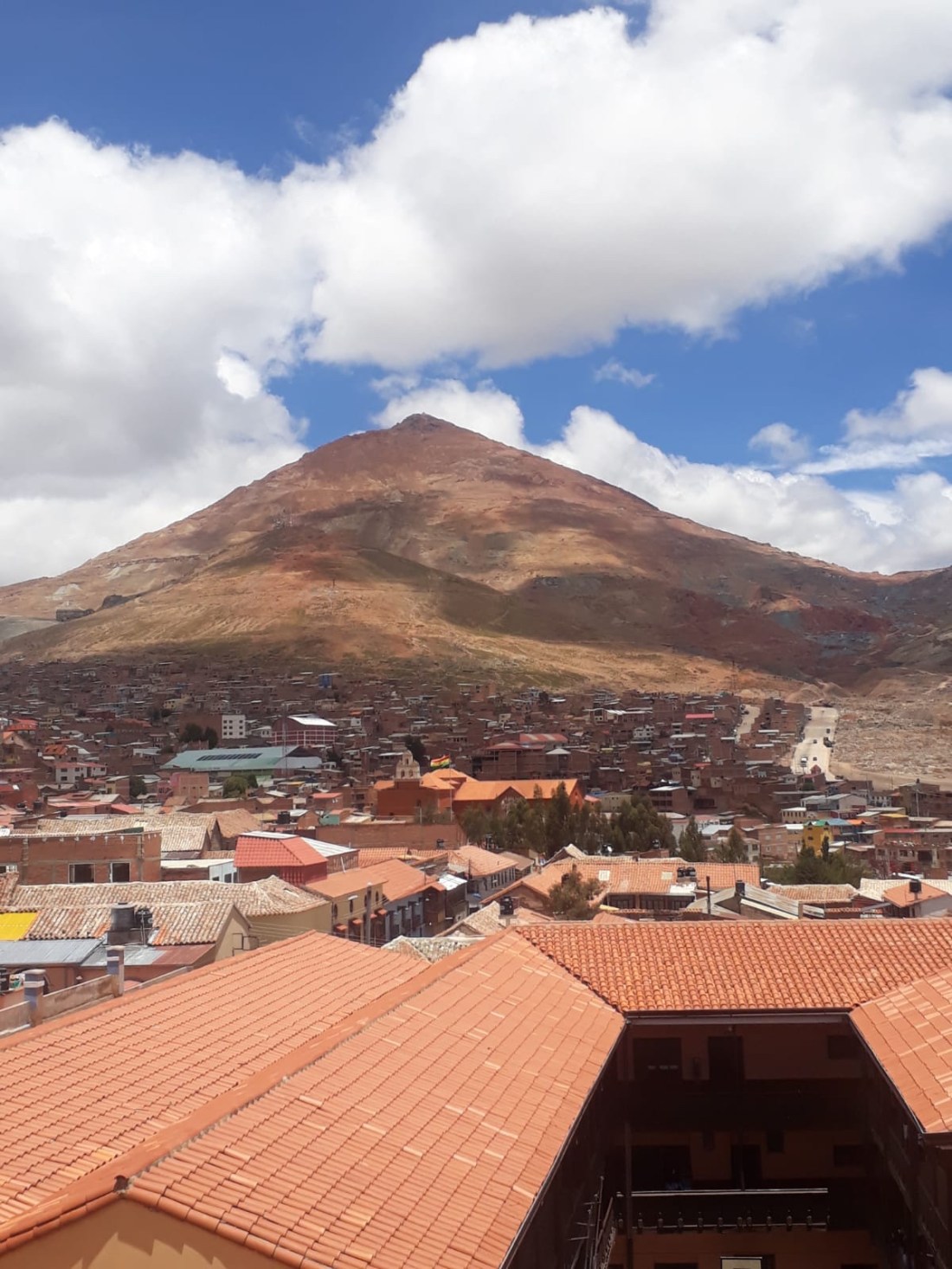
The next day the patient had mostly recovered and a few of us decided to have a lazy wander about the town in the morning and do some shopping. Here is a pic of Potosí from the mirador viewpoint in the city, with the silver mine mountain in the background.
The central plaza is lovely and there are lots of narrow streets running off it with cafes and shops, with perhaps too many travel agents. Potosi is known for its silver and so we thought there must be a market selling locally produced jewellery somewhere. After walking about and trying the central market no such jewellery could be found. It appears that every scrap of silver that is mined here is sold elsewhere. You’re out of luck if you want to buy silver, but if knock off Real Madrid shirts and Levis jeans are your thing then Potosi is your place. Most folk headed back to the hotel after a quick cup of coca tea and an oat cookie (the cookies seem to be a very local thing to Potosi), but we decided to visit the Mint museum in the afternoon.
We totally recommend taking a tour of the mint museum if you ever visit Potosi. It was fascinating!! We learned so much, not just about local history but also about global history. The national mint was set up in 1572 by the Spanish to produce silver Reals (including pieces of eight). The mint produced coins for the Bolivian government after it gained its independence and stopped making coins in 1951. The museum explains many things like how silver was found on the mountain overlooking the city in the 16th century by a farmer searching for a lost llama. The discovery was both a blessing and a curse for the locals. As soon as the Spanish arrived they forced the local people to work in the mines and the mint to fill their coffers. The Spanish had to convert the locals to Catholicism to get them to work and they did this through devious means. Paintings depicting the mountain (blessed Mother Earth) as the Virgin Mary were churned out by the Spanish. One famous painting shows the mountain with the face of Mary, silver running out of tunnels on the slopes with men collecting and working it into bars. Above the mountain is the holy trinity and below the mountain/Virgin Mary is the King of Spain, the Pope, and the local governor all worshipping the Virgin Mary, and so worshipping the mountain.
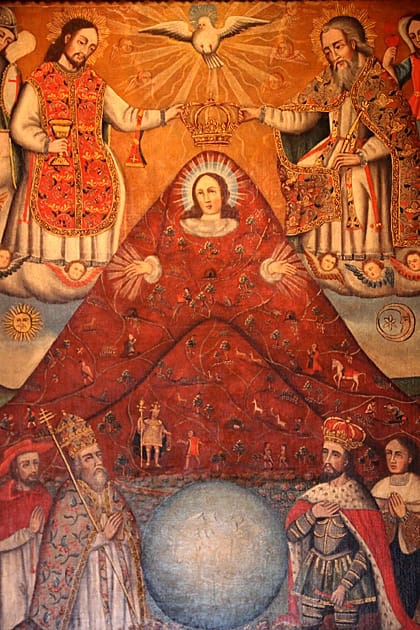
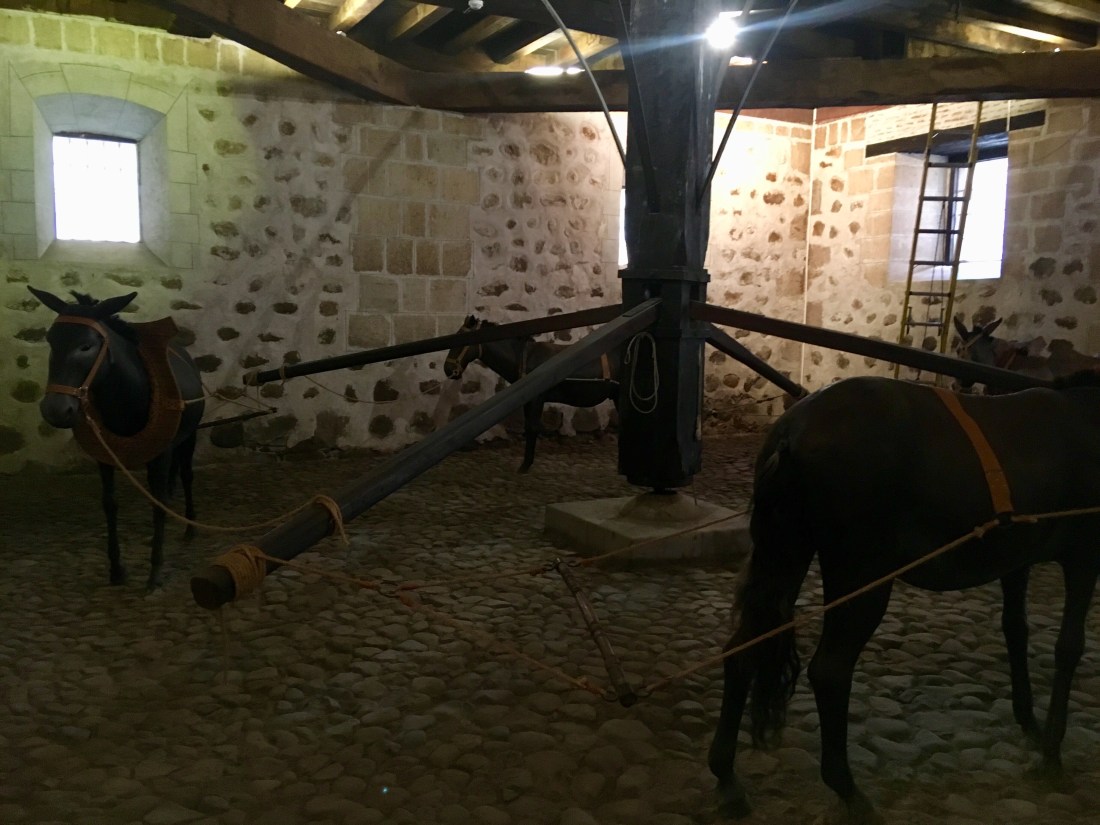
By making the sacred mother earth the same as the mother of Christ, the locals accepted Catholicism and worked for the Spanish. Once the work started in earnest, all stages of coin making were carried out at the mint (smelting, silver bar making, coin stamping, and quality testing). The museum showed how technology changed from mule-powered metal rollers to steam powered, and then electric machinery.
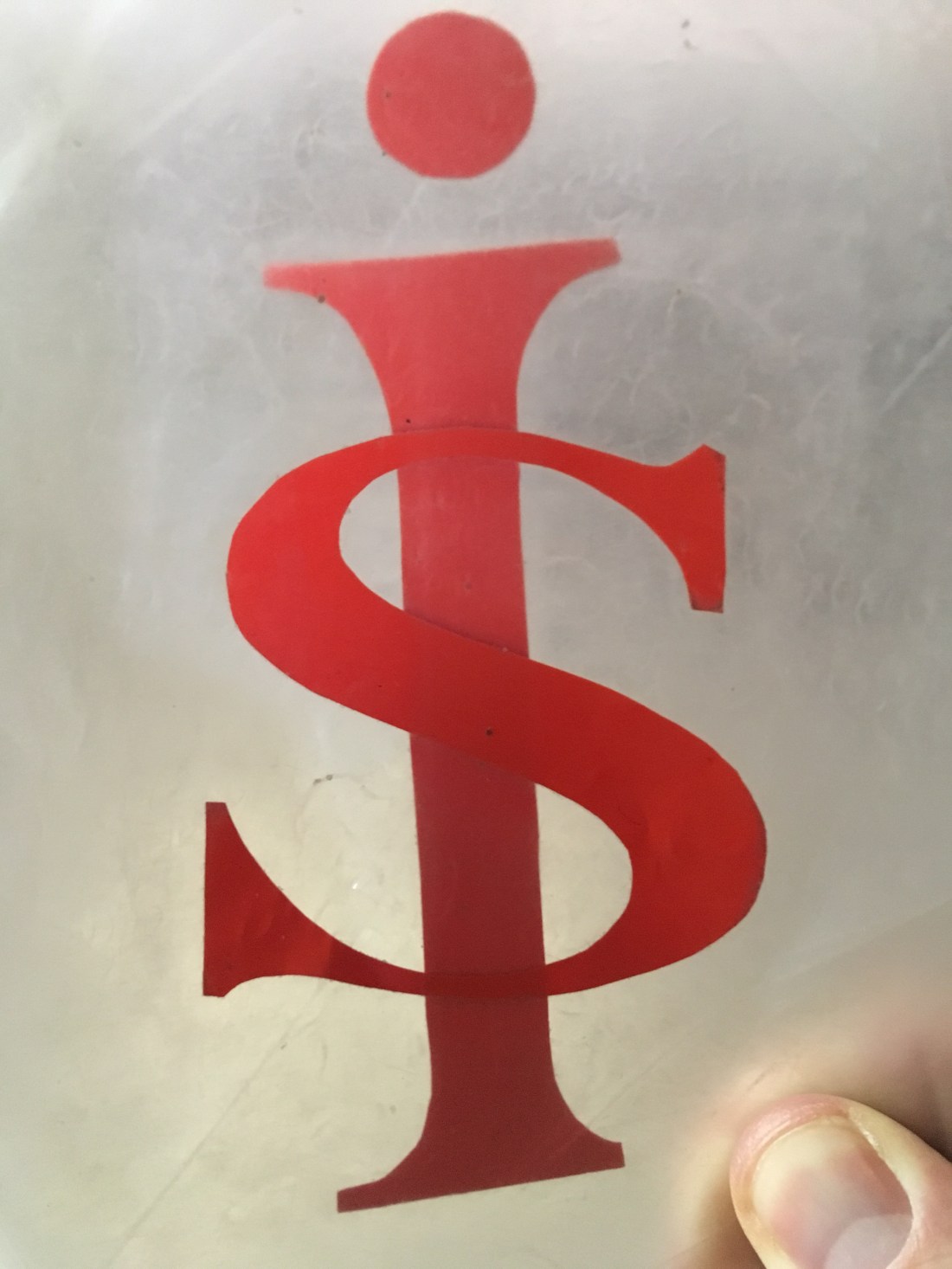
We were shown how the lives of the people working there changed as the ever present demand for silver continued over the centuries. Silver from Potosi soon became famous in the seventeenth century and the mint stamp of the city was recognised the world over. The stamp was the overlayed letters P T S I to represent the city’s name. After a time, coins from Potosi became known as Pesos and the coins were in circulation in so many countries that the mint stamp eventually became the dollar sign, via the P and the T being dropped leaving overlayed S and I! Amazing!
It is impossible to know how much silver was removed from Potosi but in 1985 a Spanish galleon (Nuestra Señora de Atocha) carrying cargo from Potosi was found in the Atlantic ocean. Archaeologists recovered and estimated $400 million worth of silver from this single ship. The mind boggles thinking about how many ships loaded with silver left for Spain over the centuries and what vast wealth was removed. Seeing the conditions the miners are still working in today, it is clear hardly a single dollar of that wealth remained for the local people under the mountain.
After the museum we got back to the hotel starving, but we would have to get our hands dirty before we could eat. Flor (our main guide) had very kindly offered to teach us how to make empanadas in the hotel’s kitchen in exchange for a glass of wine. Bargain! Most of us crammed into the smallish kitchen and were given jobs chopping vegetables or stirring a pot. Three varieties were produced; beef, vegetarian, and vegan. Flor admitted that she is rubbish at guessing how many ingredients to buy so we made waaaaay too much filling for the pastry we had (Flor had to go buy more!)
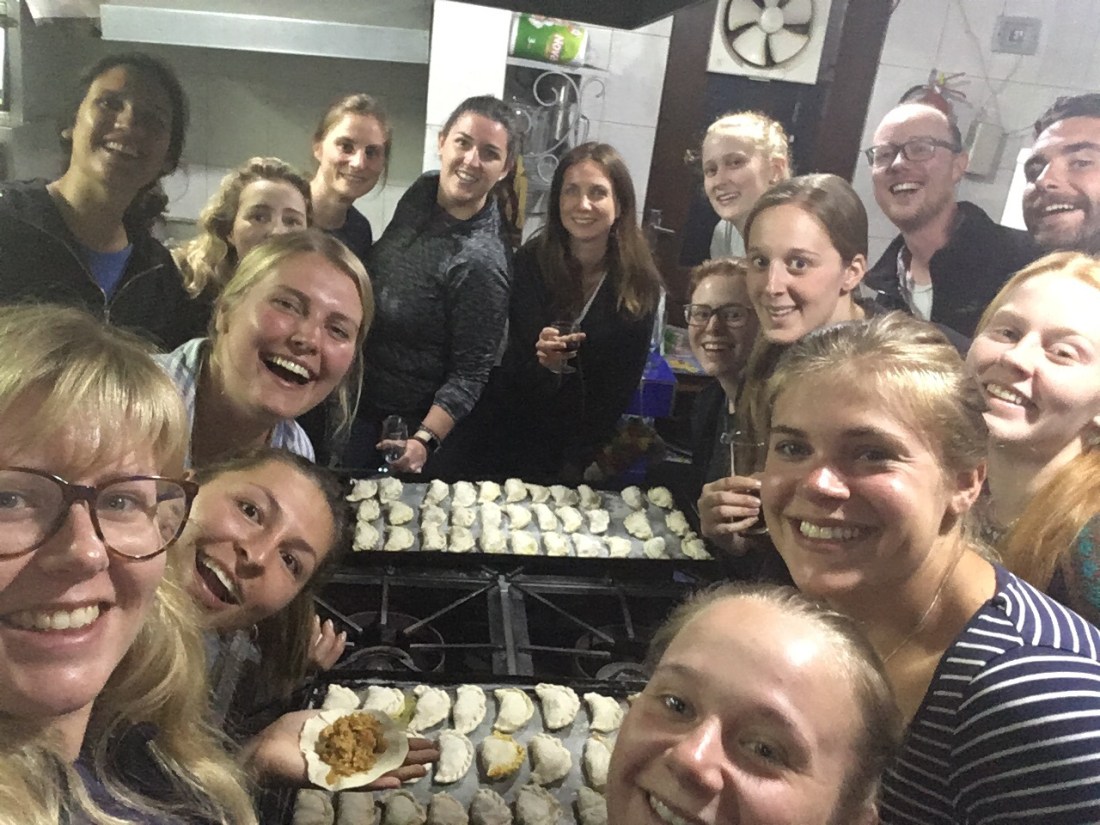
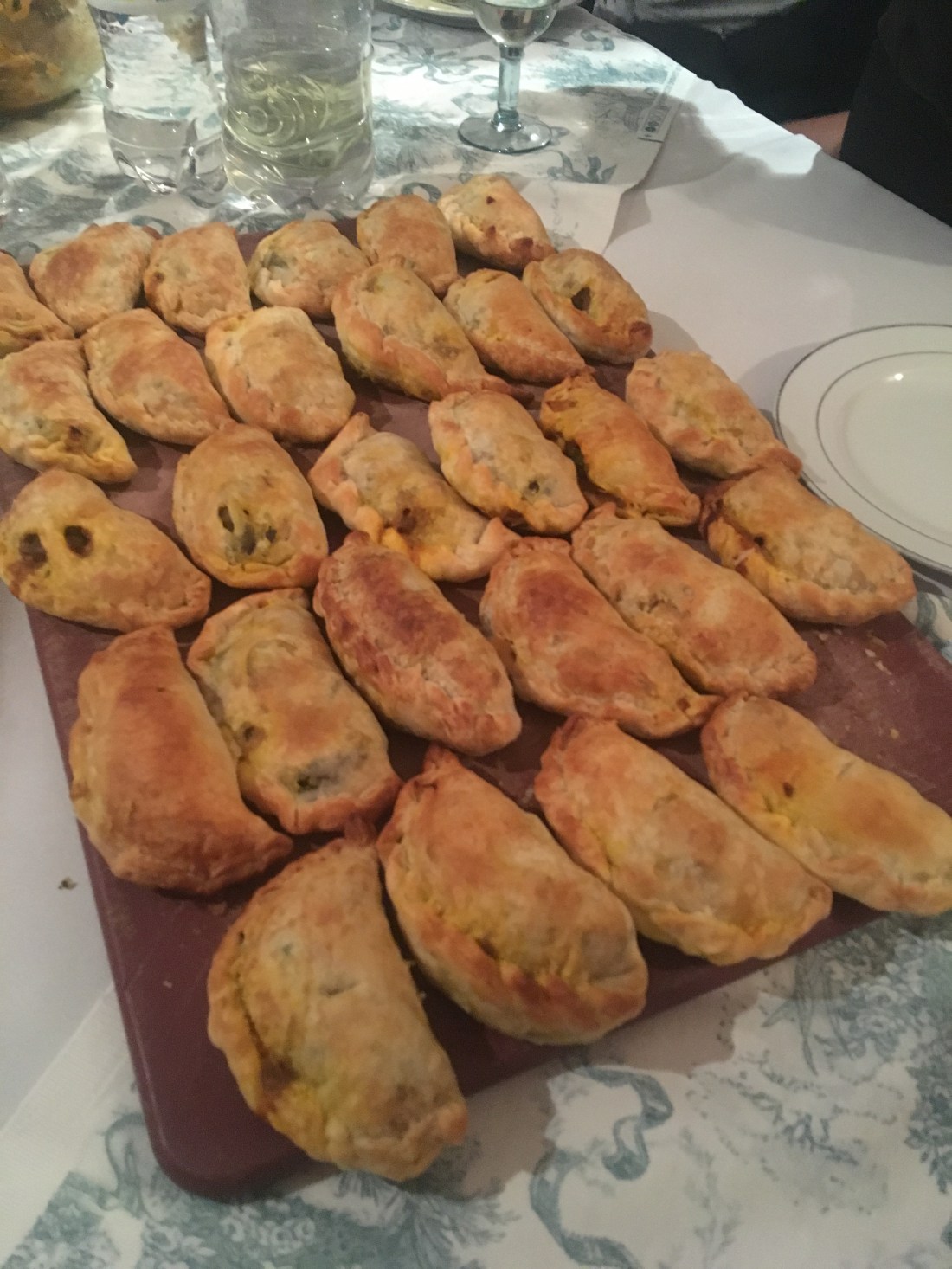
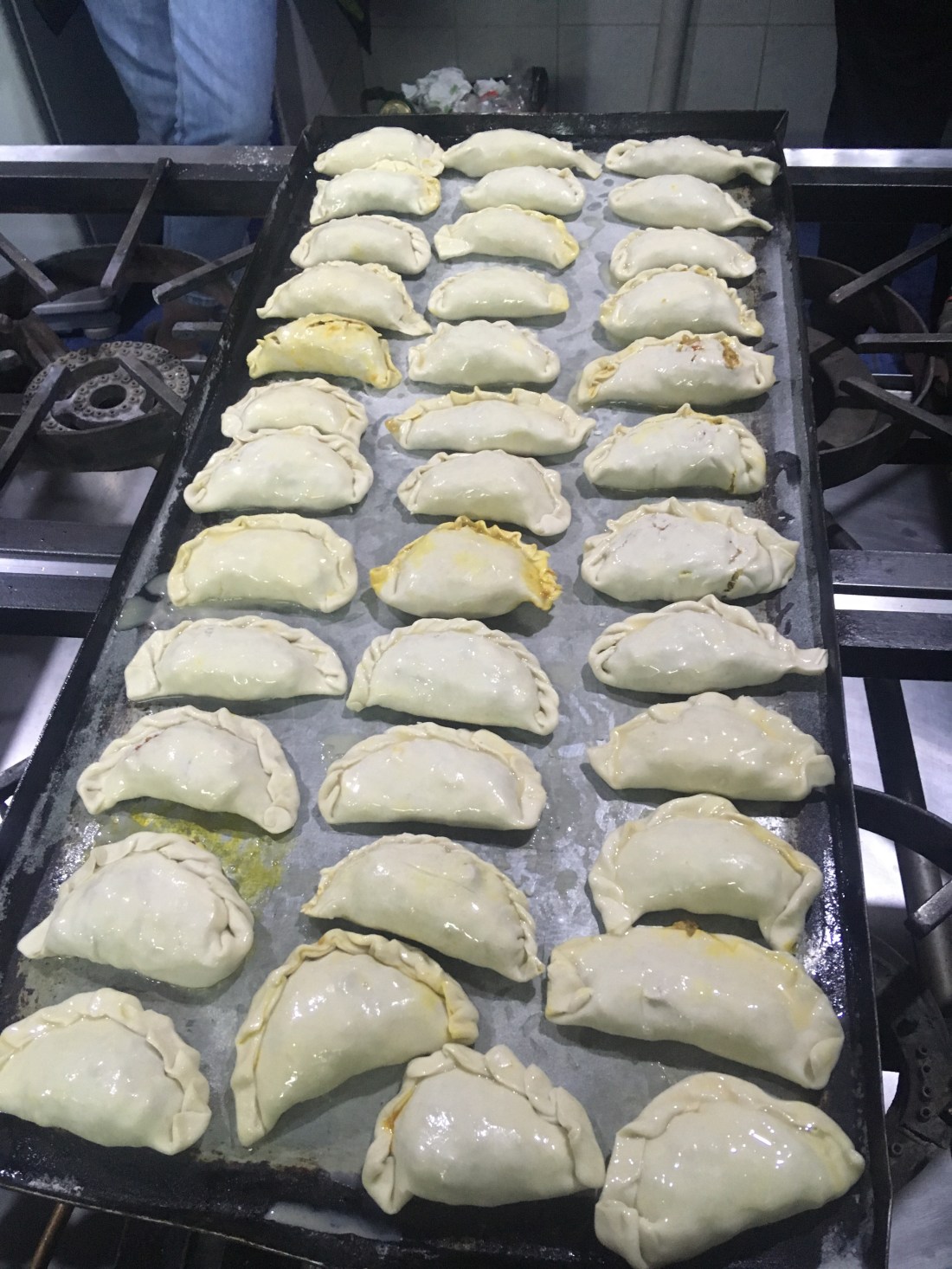 The hardest part of empanada making was definitely shaping the dough, filling it, and crimping it into the distinctive shape (think small Cornish pasty). Some were better than others, but before too long we had filled two trays ready for the oven. They seemed to take forever to cook and the smell only made us more hungry. Eventually we sat down banquet style and devoured our empanadas. What they lacked in looks, they made up for in taste. This was a really fun and tasty way to spend the evening and we will definitely be making these when we get home. Thanks Flor!
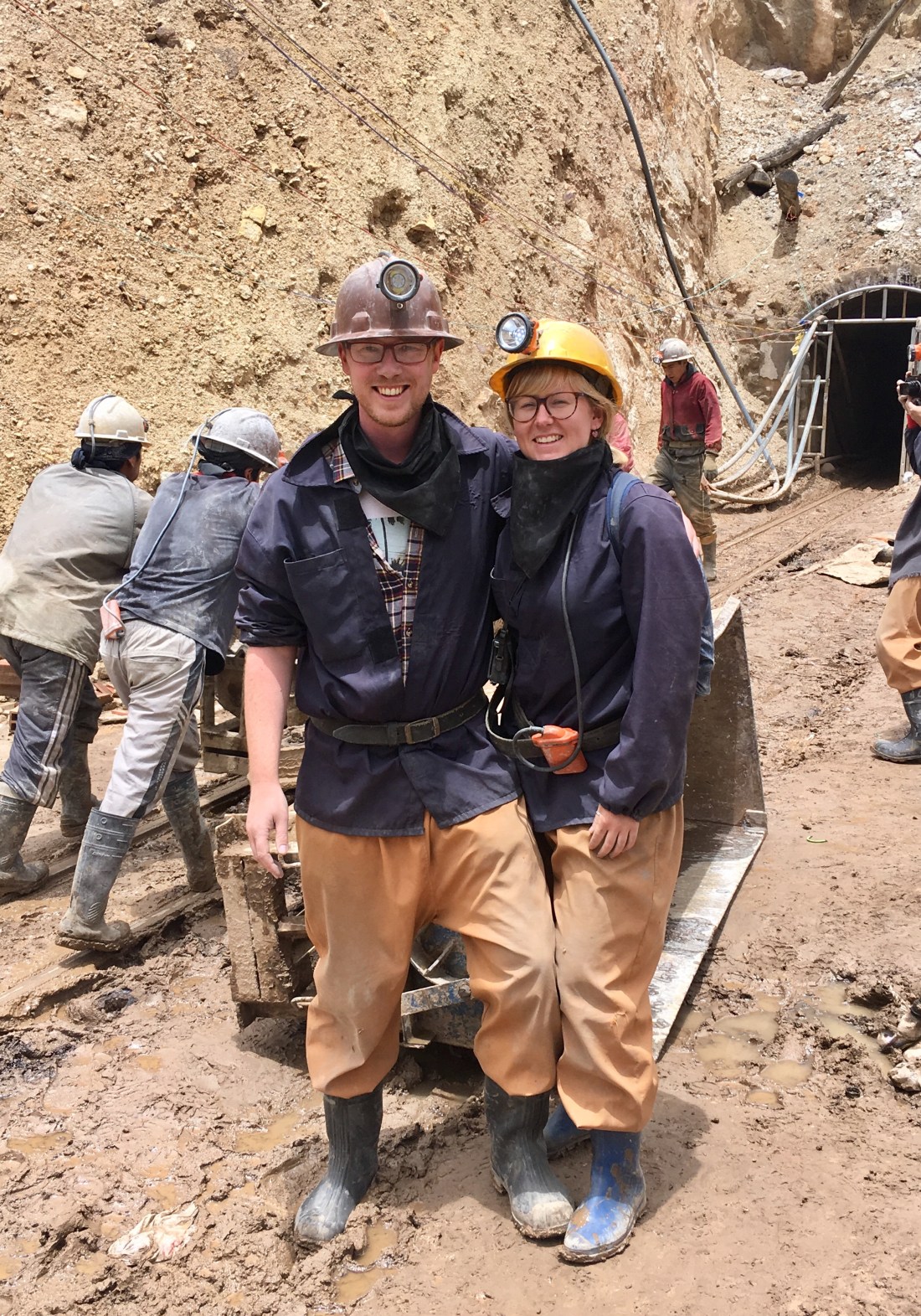
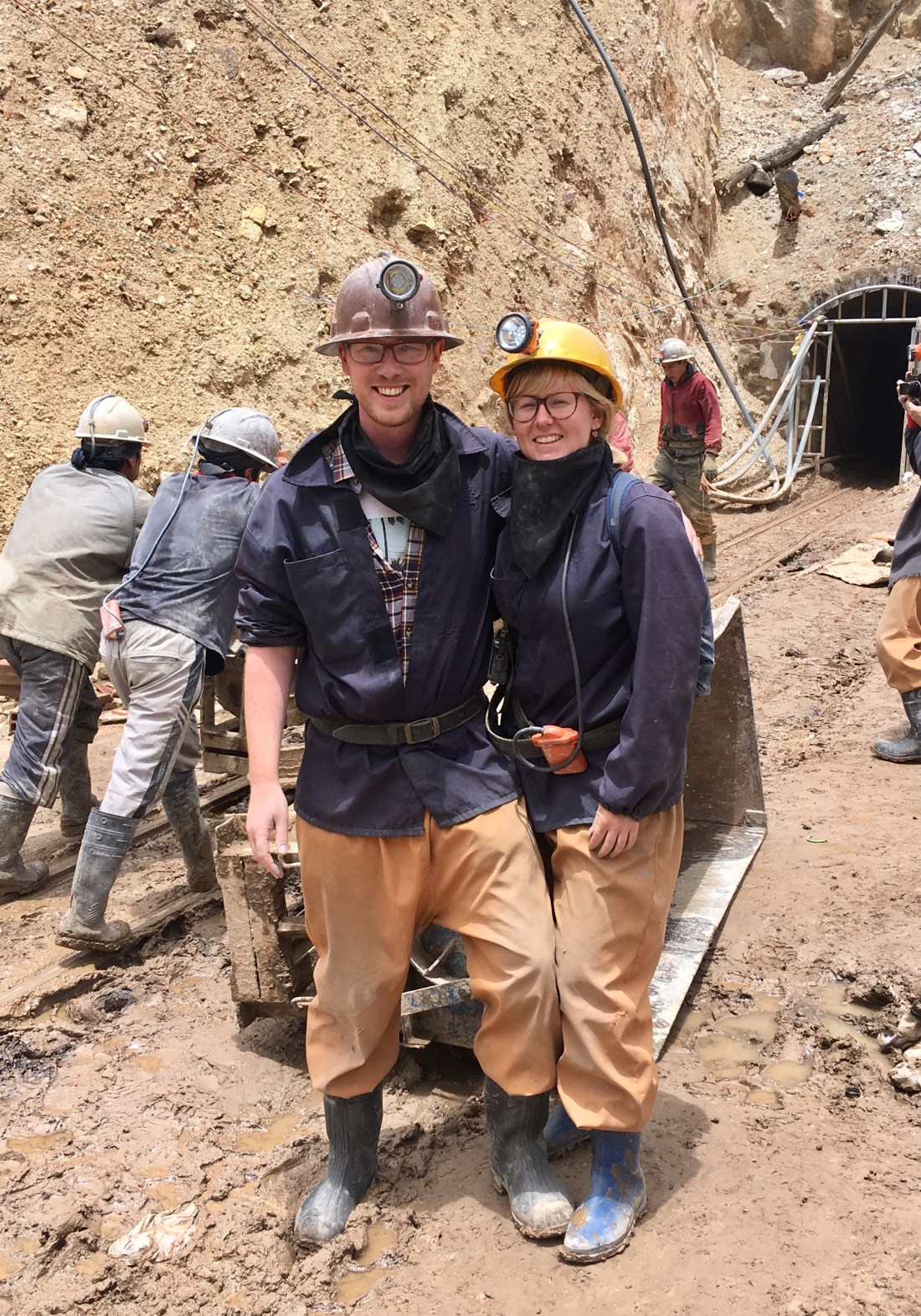
The next day was Valentine’s day. What better way to be romantic than to dress in a helmet and overalls and head down a deep hole in the ground where it’s hard to breathe and you might be run over by a wagon or killed by a cave in???
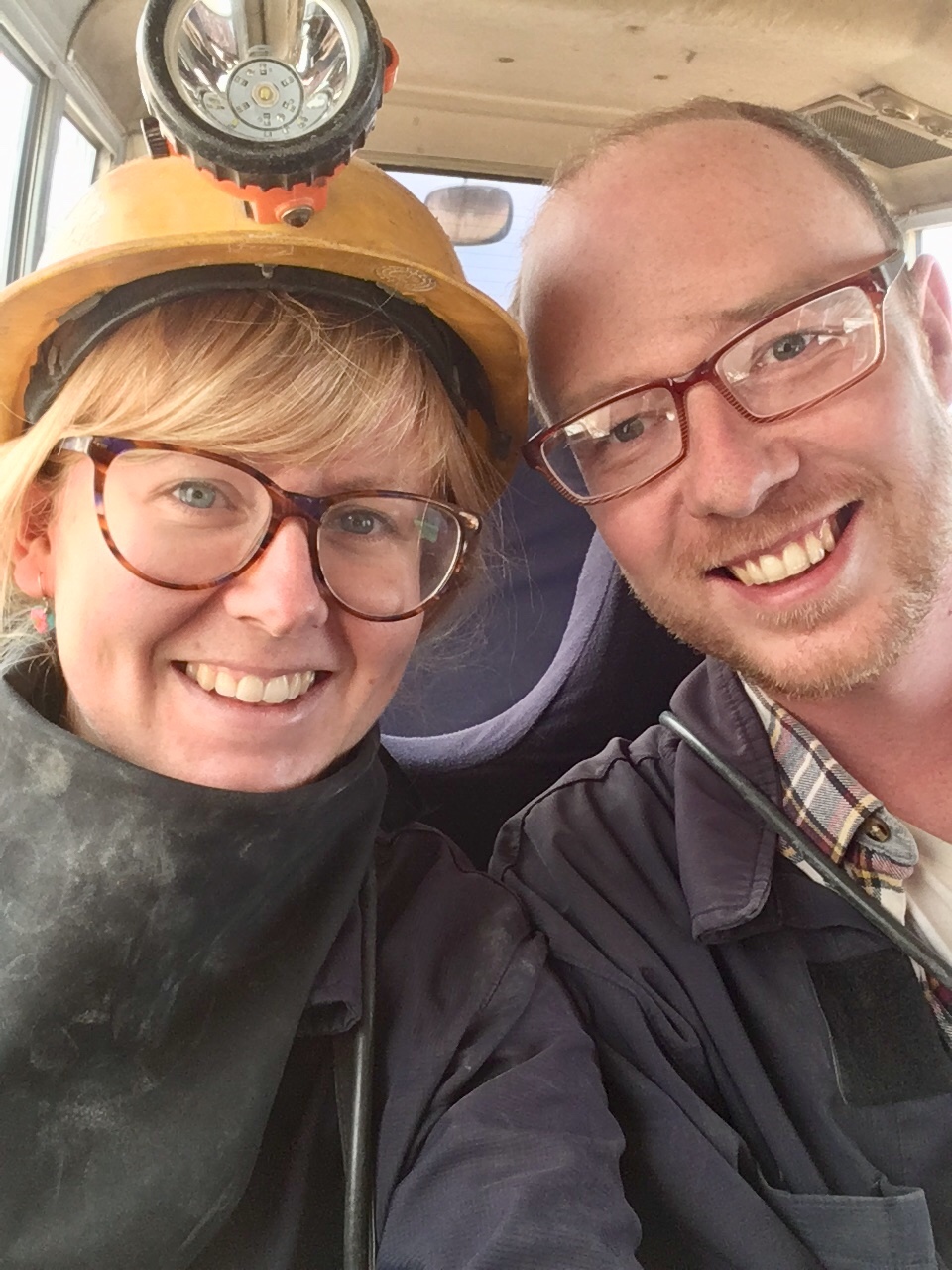
Well this is what we did anyway. We chose to go with Koala tours for the four hour trip to the mines of Potosi, mainly because of the reviews online and because they pay a third of the cost to a miners’ cooperative. We weren’t disappointed. Our guide met us at 9am and we quickly realised he was an ex-miner and a very serious man. It was his job to guide us through a working mine that is dangerous to visit with an average of 20 miners dying underground per year. This was no trip for joking around and we had to follow his instructions absolutely. Once we were suited and booted we headed to the miners’ market to see where they buy equipment and supplies. Our guide explained that every miner is self employed and so has to buy everything themselves, including the dynamite sticks that seemed to be lying around everywhere! This can mean that sometimes safety equipment is not used as it is expensive to buy. The miners work in cooperatives in parts of the mines that they have agreed to mine in. The government owns the mountain but doesn’t regulate anything in the mines. Miners that steal minerals, or dig in someone else’s patch, are dealt with through miners’ justice. We were starting to get an idea that this was a brutal way of earning a living. There are about 150 active mines on the mountain with about 15,000 miners still working there. Some start as young as 13 and the current average age at death is 54, mainly due to silacosis. Although some silver is still extracted, other metals such as tin, iron, and zinc seem to be the main source of income these days. Despite terrible conditions, miners earn about three times as much as the average wage in the city below. This is still only 6000BOB, or about £750 per month. Our guide explained that men do this work as there is no other option for them locally. What a terrible choice; earn hardly anything or risk your life in the dark. Inside the mine the dust was so dense that our skin was covered in a thick layer in seconds. Luckily we had bandanas to cover our mouths. The ceilings were low and we had to sprint at times to avoid the wagons that ceaselessly rumbled up and down the track. Fully loaded with minerals, the wagons weighed two tons and were pushed by two men with a runner in front to warn miners ahead that a wagon was coming. Our guide made sure that we knew that these wagons do not stop for tourists and so we had to dash to refuge points to avoid being run over. We shudder to think about what happens if someone does not get out of the way in time.
On the side branches of the mine the tunnel gets narrow and at times it was like potholeing, sometimes vertically down! Other times there were deep holes we had to cross with just a single plank of wood with no ropes or hand holes. Scary stuff.
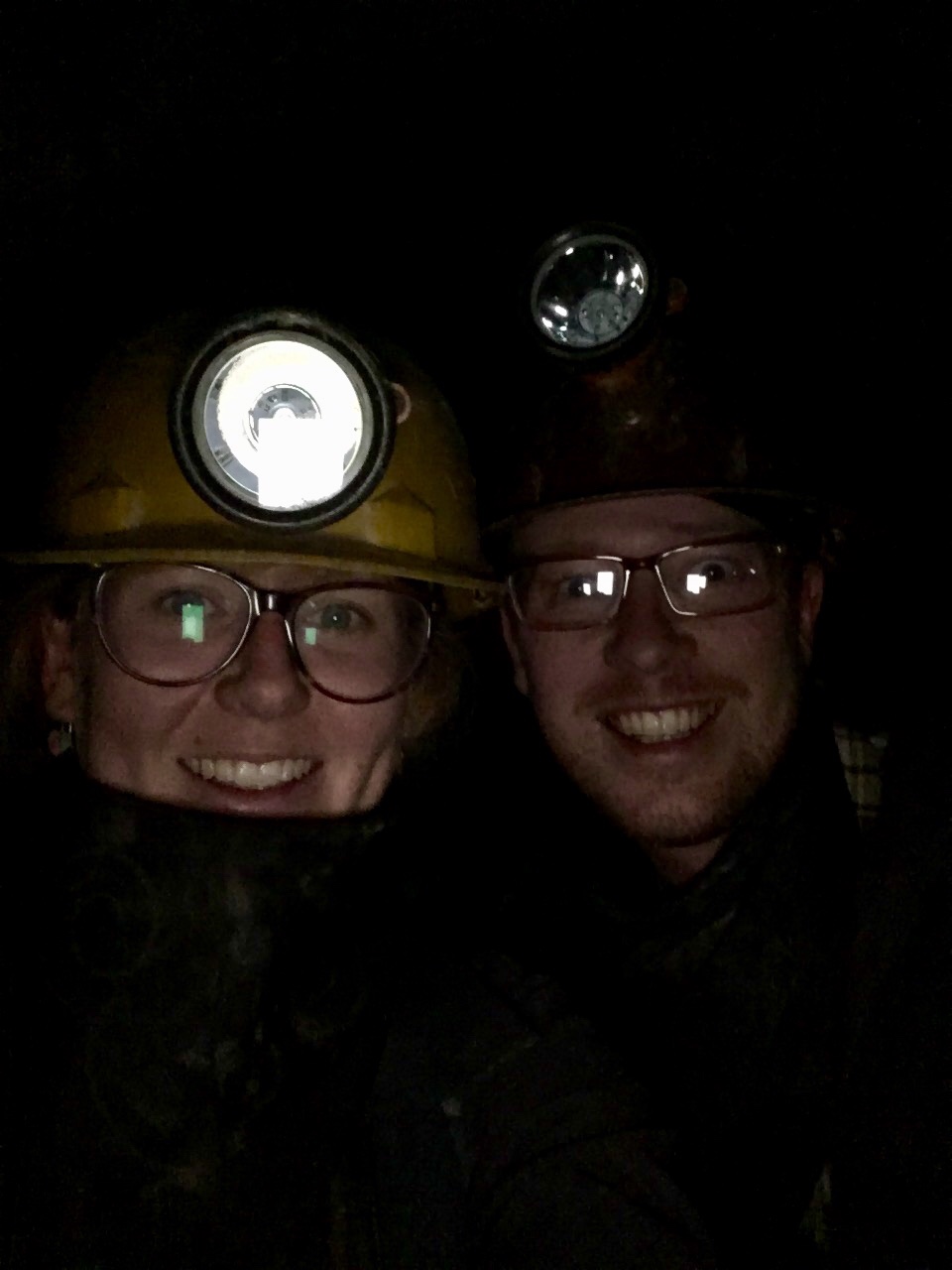
The last thing to mention is that every now and then the whole world shakes around you and you hear a cavernous boom rumble all the way into your stomach. Explosions from dynamite happen frequently and it is unsettling to say the least. Seeing men working in these conditions really makes you thankful for the life you have and hope that soon things improve in the mines, but it isn’t likely. Our last stop in the mine was a little chapel cut into the rock. Here the miners pray for minerals, safety, and for their friends killed at work. Our guide said that they have a saying, “We eat the mountain and the mountain eats us.” He told us that no one knows the total death count but a local academic estimated that around 8 million people have died in the mines since they opened in the 16th century. This is the human cost of the wealth removed from the area. As we headed back out of the mine (sometimes sprinting to avoid being run over) we were so grateful to see sunlight seeping in at the end of the tunnel. The first gasp of fresh air was delicious and we were glad to be squinting looking down at the city. We were only underground for a couple of hours. I cannot imagine what 40 years of working there does to a person physically and mentally. We are lucky people.
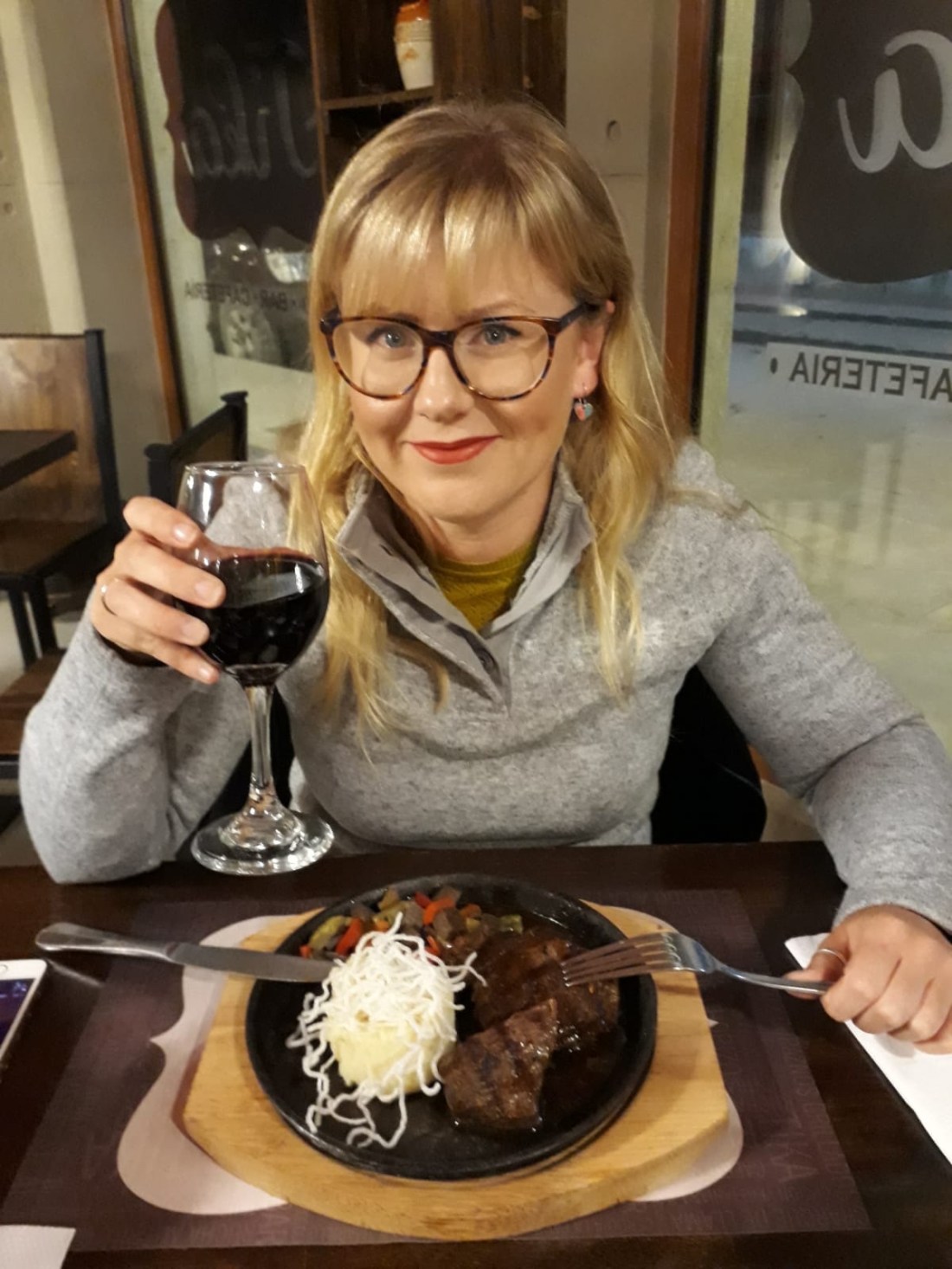
We raced back to the hotel to meet the rest of the group for 1:30pm and catch the four hour bus to Uyuni. Uyuni is very much a one-horse town and seems to mainly exist on tourism revenue, it being the last place before the salt flats and the desert. There isn’t much to do in town but it being Valentine’s day, and we had no idea what the food in the desert would be like, we decided to treat ourselves to a nice meal in a new restaurant. The food at Tika was OK but I have no doubt it was better than most places in the rest of the town.
We headed back with full bellies and turned in excited to get out into the salt flats the next day. Where we were going, we didn’t need roads…..
 Around the world in 140 days