
Author: Ged
Photos: Rach (unless specified)
24 April
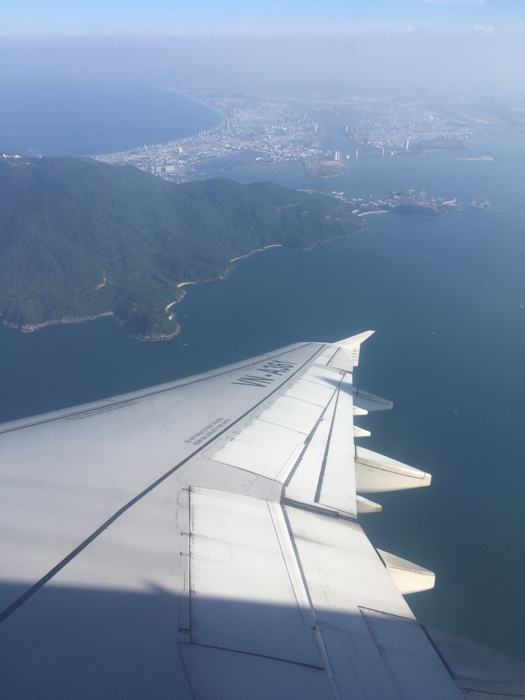
As we flew away from Da Nang airport we realised that our time in Vietnam was coming to an end. However the capital of the south promised so much to see before we departed this amazing country. As we jumped into the Grab taxi to our latest hotel we planned the next few days. Would we start with the French colonial architecture, head straight to the bustling chaos of the night markets, or visit some of the beautiful pagodas??? Burgers. Burgers is what we settled on. As much as we’d loved the scrumptious cuisine of Vietnam so far, we both craved juicy cheeseburgers and culture would have to wait.
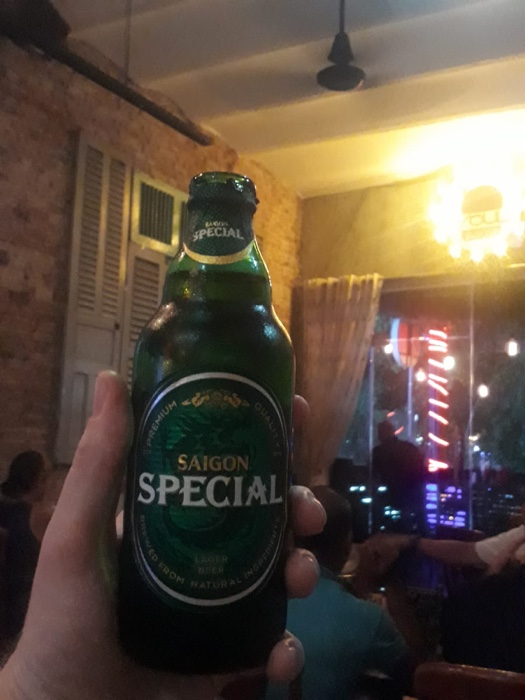
Ho Chi Minh City (or Saigon as it is still affectionately known as by many locals) has the most Western influence of any place in Asia we had yet seen and there is no shortage of burger bars ready to sling out this most American of fast foods. After a swift google search for the best burgers in Saigon, we found ourselves striding into the night looking for “Soul Burger” restaurant. Ravenous, we had barely looked at the menu before two cheeseburgers and Saigon Special beers were ordered. The place was small, but the smell was unreal and there was at least soul music playing. The burgers were excellent, and our cravings were truly satisfied.
Exiting with slightly more rotund stomachs than we’d entered with, we were happy to see we were actually right next to the famous/infamous Ben Thanh night market. Well we don’t know if it was the full bellies, sleepy heads, or tackiness of the market, but we didn’t stay long. Unlike other night markets we’d been to in Asia, this was completely full of knock off crap. Not even good fakes! We didn’t think we were missing out as we left the sellers at our backs shouting about two for one offers on fake Nike t-shirts. After just a burger (albeit a decent one!) and a naff market we hadn’t really seen Saigon/HCMC yet so promised ourselves to get properly stuck in the next day as we climbed the steps to our hotel.
25 April
This was a day for having a good old walk, taking in the city, and seeing what all the fuss was about. Saigon/HCMC has so much history and mixes of cultures that it’s impossible to actually fit it all into one day’s blog post, but we’ll have a go.
We’d planned a route over breakfast and headed out into the blistering dry heat of HCMC. First up was a walk past the Independence Palace.
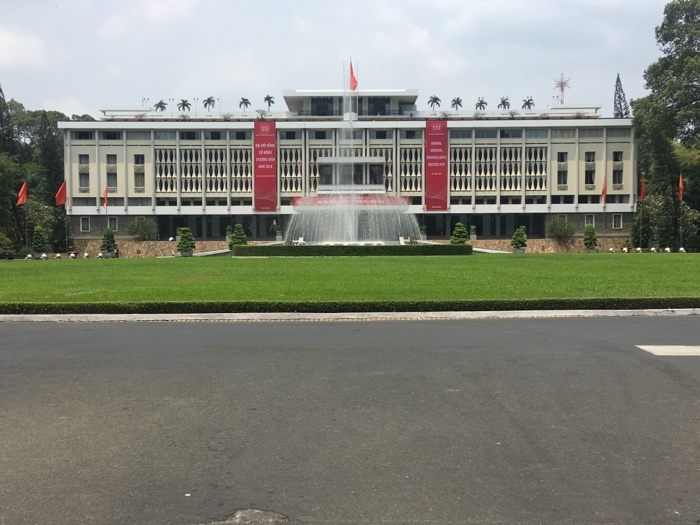
Once the home and workplace of the South Vietnamese President, the building’s most famous photograph is of a North Vietnamese tank smashing the gates open on the day Saigon fell and the country was unified once more. We didn’t have chance to go in, but we hear there is a war room, communications centre, offices and meeting rooms all left in the same condition they were in the day Vietnam was reunified and well worth a visit if you have time. We didn’t!
Our first proper stop was the War Remnants Museum, just around the corner from the Independence Palace. Split over several levels, this most poignant of museums discusses the legacy of the wars with France and the USA.
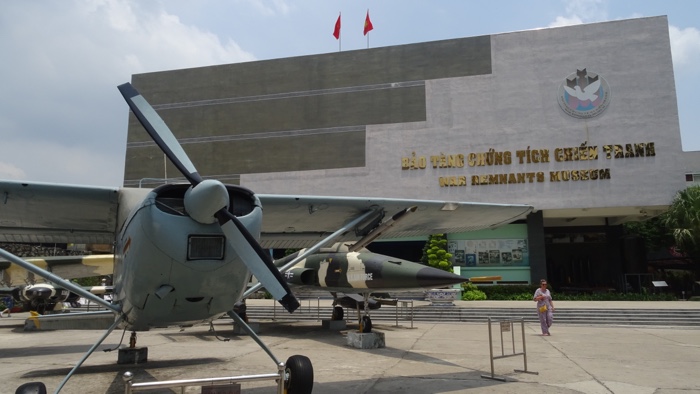
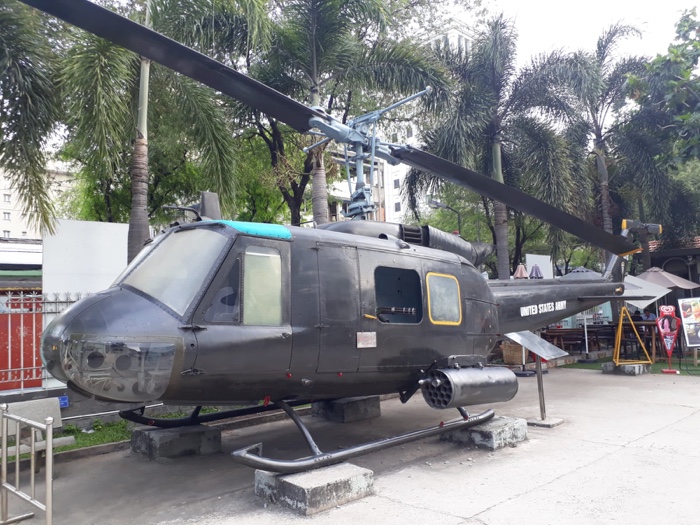
As you enter you are warned about the graphic imagery, blood curdling eyewitness accounts, and the terrifying instruments of war. 3 million Vietnamese, 2 million of those civilians, were killed in the war, and that was our lasting memory of the museum – that innocent civilians are always the ones to suffer most greatly.
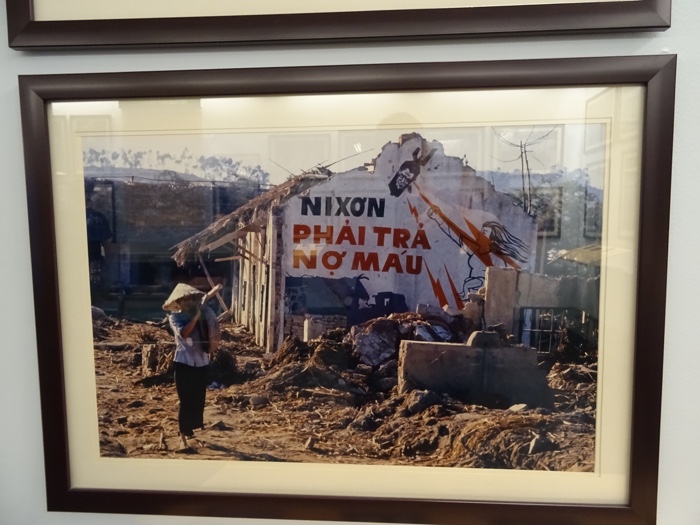
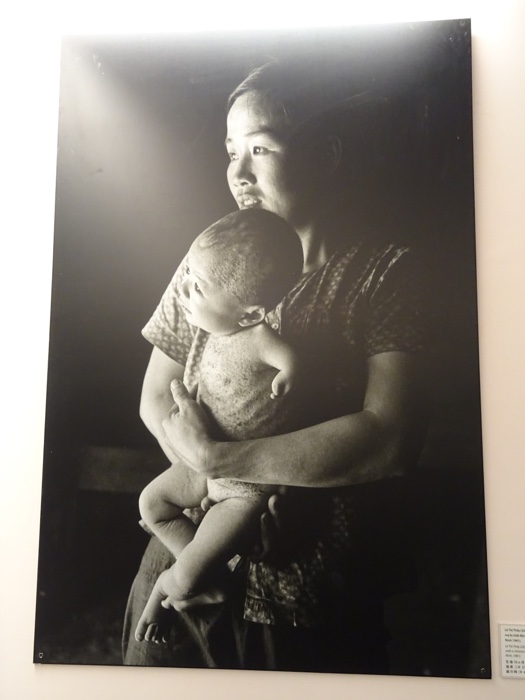
Not only are there tons of unexploded bombs dropped still killing and maiming people, but the very water people drink and land that they have no choice but to farm is causing debilitating mutations and cancers. Generations on, the terrible effects of weapons like agent orange are starkly evident. Not enough is being done to clear this wonderful part of the world of chemical weapon contamination and we hope more effort is soon made by those that have the power to make a difference.
After leaving such a sombre and thought provoking place we needed some fresh air and to clear our heads. We’d heard that Saigon had a much smaller, but nevertheless beautiful, cathedral sharing a name with Paris’ sadly ruined gothic masterpiece. We are unlikely to see Notre-Dame in any pleasant state for a while so headed over to see the colonial centrepiece of 19th century Saigon. Scaffolding. Bloody scaffolding. Rach is cursed with it everywhere she goes (we expected some at Machu Picchu!).
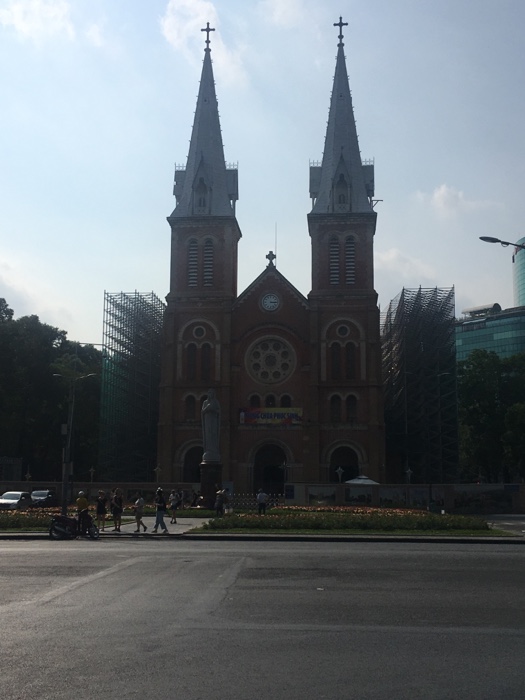
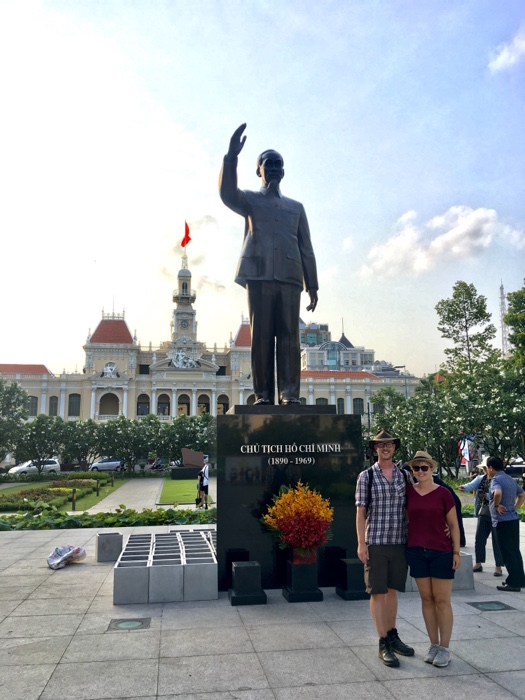
With no chance of a good look here we decided to explore some of the key sights of the area; important buildings and rallying points during the first years of the people’s republic including the central post office, the people’s committee building, and what is now known by some as Uncle Ho’s park.
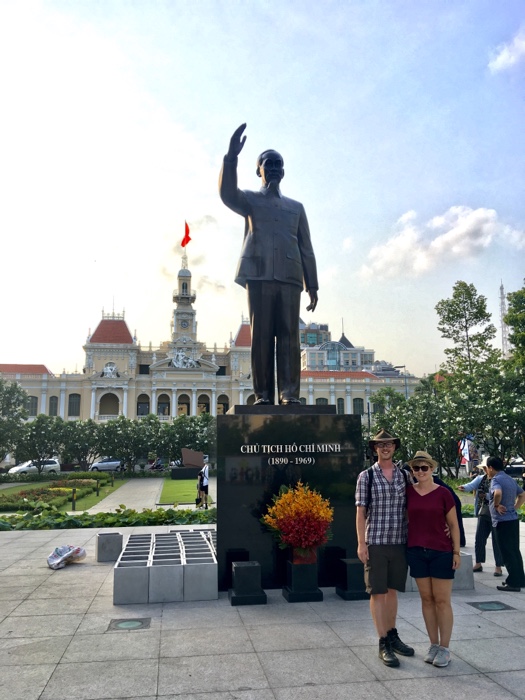
We tried to read information plaques and Wikipedia entries, but there was no let up from the sun as the afternoon drew on and we grew thirsty.
There was nothing for it. Cold beer and a sunset view was what was needed. We headed to the very special Saigon Saigon Rooftop Bar, known by some as the journalist’s bar, where many of the western press frequented during the war in the 60’s and 70’s. Today this rooftop bar is worth a visit regardless of any historical interest. Sitting above the rather posh looking Caravelle Hotel (we were certainly under dressed!!), the bar commands a view over the opera house and what was colonial Saigon.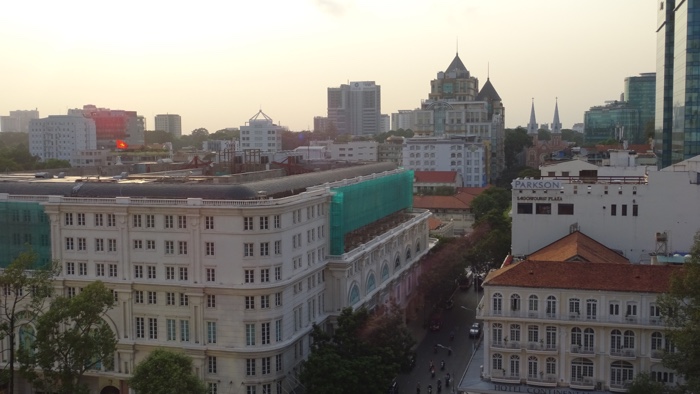
Reading about the journalists being evacuated from the roof is hard to imagine when the setting sun is glinting off the glass across the road from this oasis above the city. It didn’t hurt that it was also happy hour and they served what turned out to be Rach’s favourite beer in Vietnam. We may have had to stay for two.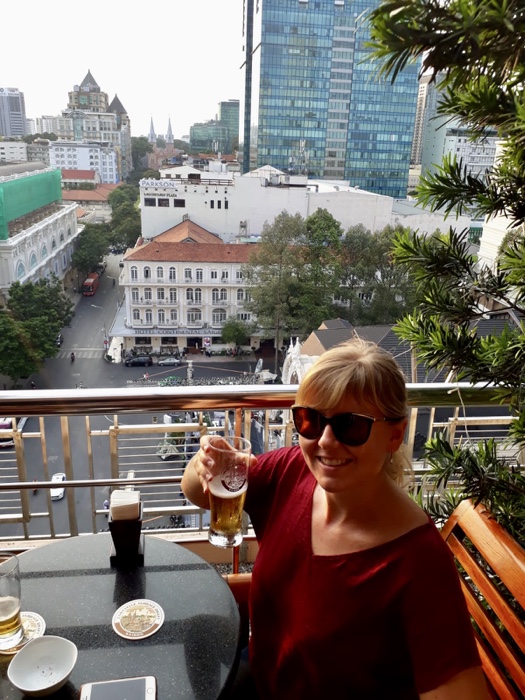
As we headed off in search of grub near our hotel we passed brand new sky scrapers, chain coffee shops with interesting names (see picture below), and wide pedestrian streets filled with designer shops.
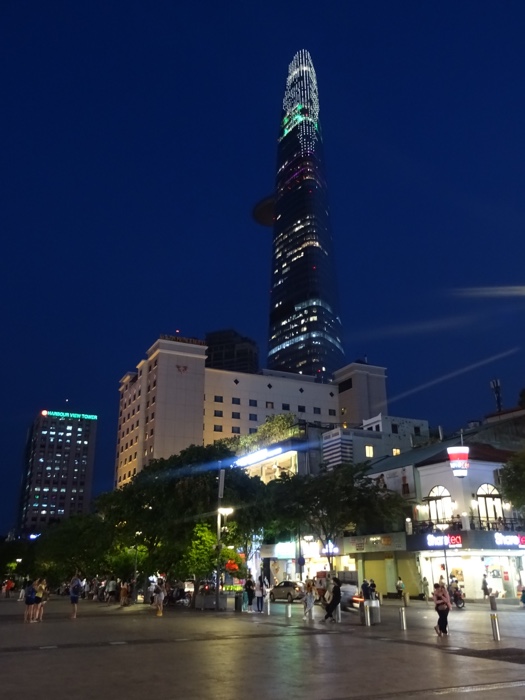
This felt a very new city all of a sudden complete with all the trappings of a modern metropolis, including free and clean western style toilets. Convenient or so Rach thought…..
The trouble started as soon as she walked in. The toilets had a sign in English saying they were open and free. So far so good. Rach walked in and was immediately shouted at by a little angry woman sat in the corner. Maybe she did have to pay? Nope, she had to take her shoes off. After much pointing and shouting Rach realised there was a shoe rack. Why would you take your shoes off in a public loo? Anyway the woman did not like the way Rach racked her shoes and shouted more as she straightened them up. After a distinctive flushing sound Ged heard more shouting from the woman. Seemingly she walked into the stall after Rach for some reason. More shouting…. this time Rach retaliating, “Look I flushed it!!” Rach was followed as she washed and dried her hands and even more incomprehensible shouting followed, with Rach hurrying out utterly confused and having no idea what happened, lacing her shoes up outside to avoid the woman’s further wrath. Travel is all about experiences….
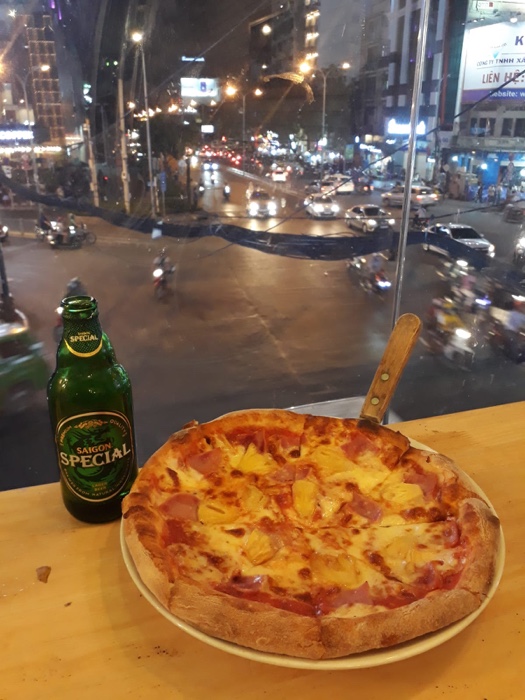
Flustered and hungry we decided on yet more western comfort food. Finding what claimed to be the best pizza place in HCMC, Ged asked for a recommendation and to his surprise the waiter pointed at the Hawaiian. Believing in going with the flow Ged agreed and is now a convert to ham and pineapple pizzas. Sorry Italians of Sheffield Zooarchaeology lab (#notsorry).
What a massive mix of a day: Revolution and reunification, war and tranquillity, modern and tradition, West and East. This is a wonderful hodgepodge of a city but now it was time for a kip. Tomorrow would bring the jungle, the tunnels, and the rattle of gunfire.
26 April
We started our day feeling particularly sad. Our last full day in this amazing country and there was still one important site to see before we left: The Cu Chi tunnels.
We’d looked into getting to the tunnels by taxi to see if it would save us money but actually it was cheaper, and far easier, to book on a guided tour for about £10 each for the day. Not bad really!
The tunnels were about a two hour bus ride from our hotel so there was nothing for it but to sit back, enjoy the glorious air conditioning, and listen to our tour guide explain Saigon’s history as we negotiated the morning traffic. It seems a universal truth that no matter what country a person finds themselves in, there is a great rivalry between the North and the South. This perhaps has deeper meaning in Vietnam, but for whatever the reason our tour guide was unsurprisingly of the opinion that the South was far superior to the North, even going as far to say the women of the North talked funny and were rude. Our experience was the exact opposite and we wondered if he’d ever even been to the North…
Our tour was to be a full day event with a short stop at a social organisation helping train and employ disabled people making arts and crafts souvenirs. The guide explained that the majority of the people employed by the company are victims of chemical warfare or bombs left behind from the war with the USA. We were told that this was a charitable enterprise set up to support those the government couldn’t and that otherwise these people would live in abject poverty. What we actually saw was a production line of highly skilled workers producing complex and beautiful lacquered boxes and pieces of art. The employees were clearly masters of their crafts despite their physical difficulties and it is unclear why they needed to work for such an organisation. As we were ushered through the factory it was repeated to us that these people would be destitute without help and so everything we buy helps them….. and there was the point. Finally we were herded into a massive shop with hundreds of items for sale (at inflated prices compared to the goods we’d seen in markets) with about a dozen smiling pretty young women ready to help us make our purchases. We felt a little uneasy with the whole set up. I doubt any of the workers got as much as they should from each item sold. We don’t know if it was true that the employees would have terrible lives if they didn’t work there, but it looked a little like they were being taken advantage of for the sake of making more sales. We know things work differently in different parts of the world, but we did not enjoy this experience and waited on the bus the rest of the tour group to finish buying their trinkets.
The Cu Chi tunnels, the once hidden base/village of the local communist Vietnamese now has a modern visitor centre complete with gift shop and tour guides ready to show overheated tourists around. We were worried that this was going to be tacky but after passing through the ticket gate and the big entrance tunnel we emerged into the shade of the forest. The first thing you notice is that the sound is different. It’s much quieter with no hint of traffic noise. Just as it begins to feel peaceful you hear the crack of gunfire in the distance. This was no recording. The soundtrack of our visit to the Cu Chi tunnels was a little too realistic: the rattle of the AK47s seemingly all around us. After a brief propaganda video from the 1960s in a new built hut we were told about how the tunnels were constructed. Over time the network became immense and eventually included a hospital, a school, a commissary, and enough shelter for hundreds of people. As we walked the woods the entrances to the tunnels and ventilation holes were hardly perceptible. The whole system was designed to blend into the environment and stay hidden from searching American eyes. The scale of the tunnel village is mind boggling in its own right, but it’s the little details that are really astounding. The tunnels were not just built to be defensive but also to be confusing. We didn’t notice it until the guide pointed it out but the tunnels actually get narrower towards the habitation parts and wider in the direction of the American bases. This was to funnel US soldiers back to their own base and away from the village if they ventured underground.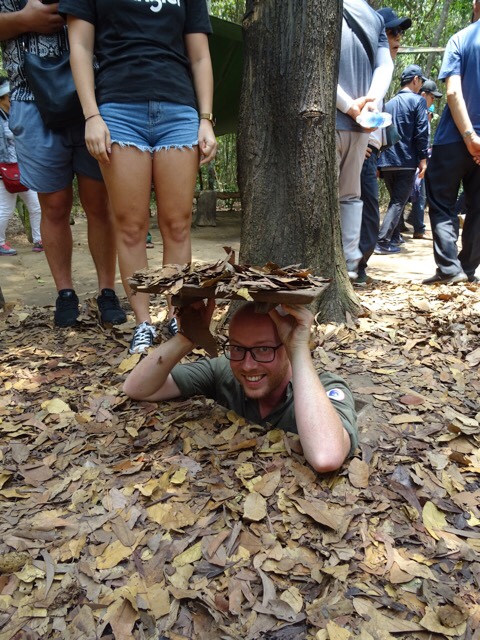
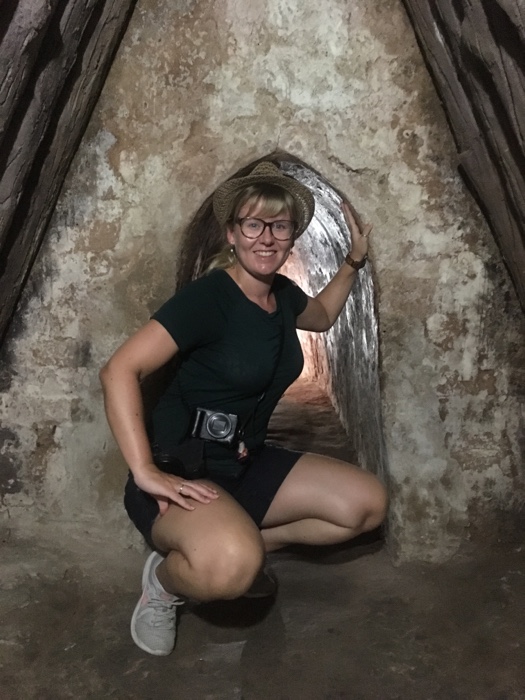
We got a chance to hide in the hidey holes and travel between underground buildings in the tunnels and they weren’t as claustrophobic as we thought they were going to be, although the ever present sound of gunfire was more than a little disconcerting. Part of the tour goes past a firing range where people can pay to fire AK47s and M16 machine guns. I’m not sure that any lessons about the horrors of war are taught here but the sound certainly makes the visit feel more authentic (we didn’t feel right having a go).
The last part of the tour was to show us the types of traps set for the American soldiers in the forest. Built from the bombs the US dropped in the area, trip traps of razor sharp spikes were set to not only kill, but to cause as much damage as possible. Some were even designed to keep the victim alive so that they would attract soldiers to help who would then be ambushed.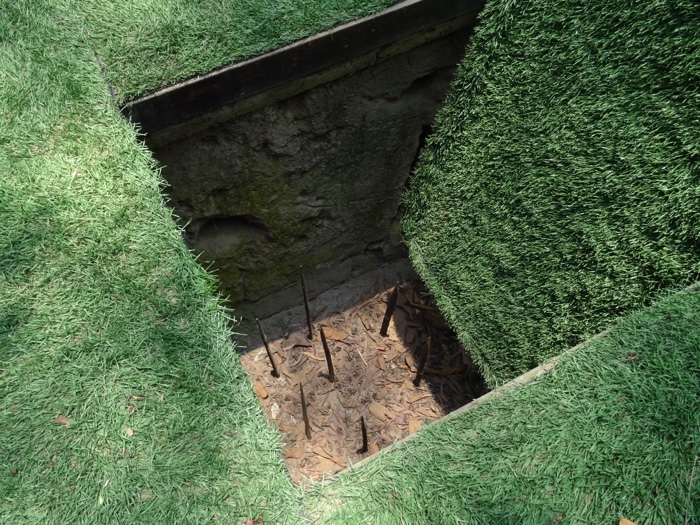
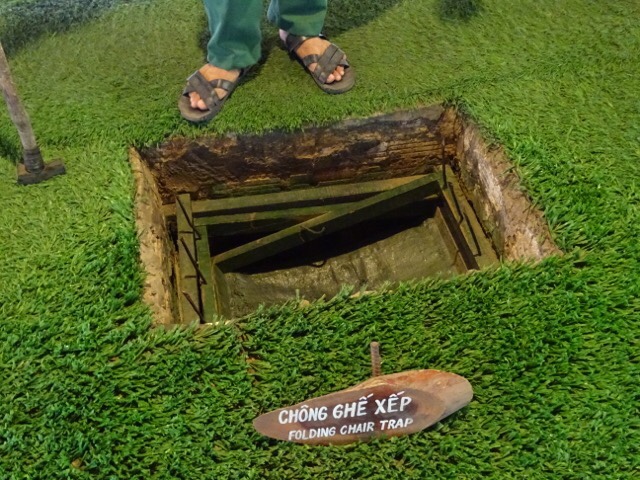
Although a peaceful woodland now, we cannot imagine the horror of fighting there at night, not knowing if my next step would be our last.
Thankful for the air conditioned bus we zoned out on our trip back into the city wondering what life in the tunnels would have been like during the war. We had a few hours left of daylight and so decided to go see the Venerable Thich Quảng Đức Monument situated at the road intersection where he ended his life by setting himself on fire.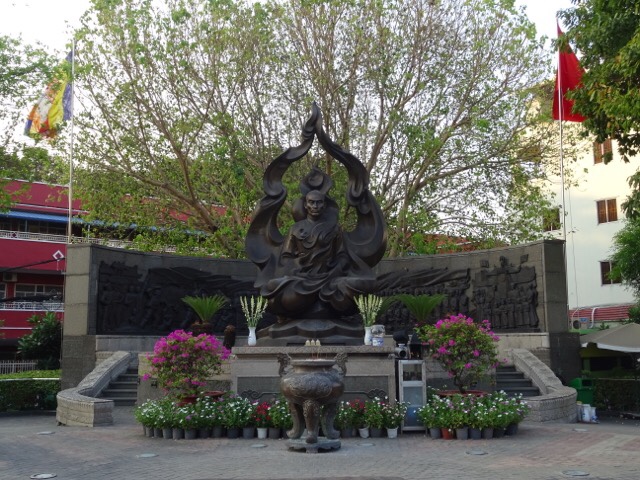
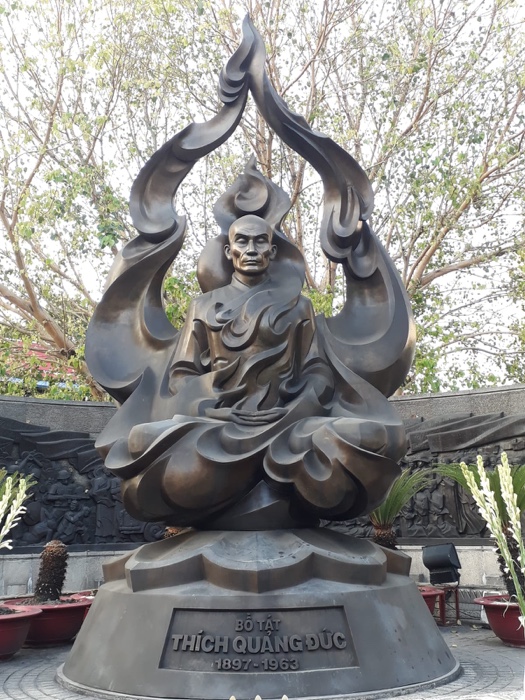

His protest against the treatment of Buddhist Monks in South Vietnam shocked the world and led to a greater understanding of the injustices happening at the time. We cannot imagine the sense of faith, desperation, and determination needed to pour petrol over your head, sit down, and set light to yourself. Truly astonishing and terrifying.
As the last night in Vietnam drew in we sought our final bowl of noodle broth in a quiet place near our hotel. Wow we were going to miss the food in this country we had spent the last 3 or so weeks in (and the prices of course!)
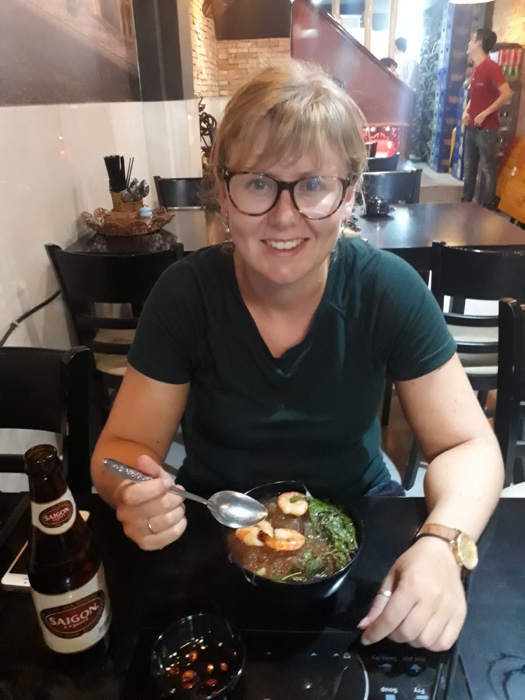
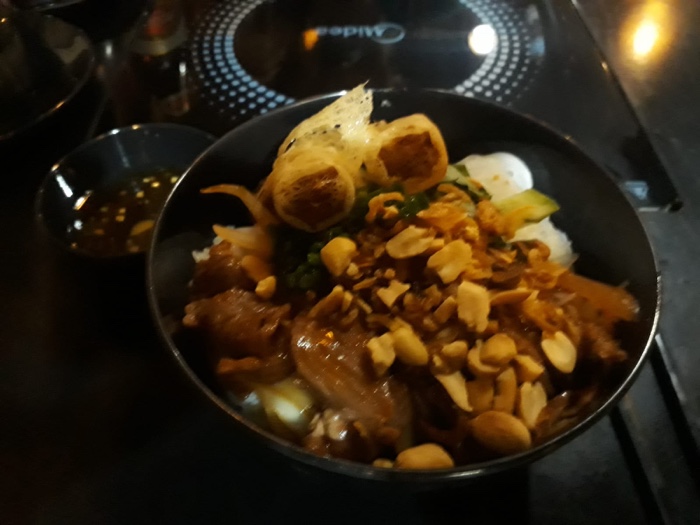
Neither of us really knew what to expect from Vietnam when we’d arrived but it pretty much defies expectation – mad yet calming, the people friendly and hardened, the countryside beautiful and industrial, a place of tradition and new ideas; Vietnam had been utterly amazing. We didn’t think it would be one of our favourite places, but with only two countries left (and a lot of beaches!) Vietnam was Ged’s favourite country so far. We went to bed thinking of our new island life that was about to start and wondered when we’ll be back in Vietnam.
 Around the world in 140 days